
As credit markets absorbed the largest tech bond sale in a generation, BYD took a legal sledgehammer to United States tariff law, the SaaS sector's bleeding showed no signs of clotting, and Anthropic became the world's third most valuable private company at US$380 billion.
The throughline this week was capital - who has it, who's borrowing it, who's burning it, and who's about to lose it to an AI agent.
All the top moves, shakes, and loan payment breaks from Azzet's editorial team are right here in your weekly business wrap every Friday (13 February, 2026).
Get your wallets ready.
Monday
U.S. consumer sentiment edged up to a six-month high of 57.3, beating forecasts of 55.0, though the improvement was driven by wealthy portfolios rather than any broad-based optimism, with the index still down from 64.7 year-over-year.
The long-running Glencore-Rio Tinto combination continued to haunt the mining sector, with the deal looking as dead as ever, SpaceX IPO speculation around timing and valuation heated up, and Anthropic took aim at OpenAI as the AI ads war intensified.
American Airlines' turnaround isn't taking off, Hims & Hers pulled its copycat pill on threats of legal action, and the U.S. and India reached an interim trade framework to cut tariffs.
Ukraine attempted to accelerate peace talks with Russia, Takaichi's LDP won a two-thirds majority in Japan's election, and the Washington Post publisher resigned amid mass layoffs.
The AFL boosted profit as revenue rose in 2025, Tennis Australia lifted profits but remains uncertain about its dispute, and Netanyahu moved up his meeting with Trump.
Trump backpedalled on his criticism of the Nexstar-Tegna deal, Warren called on the Senate to reverse Trump's UAE chip deal, and automakers pulled back on Super Bowl advertising.

Tuesday
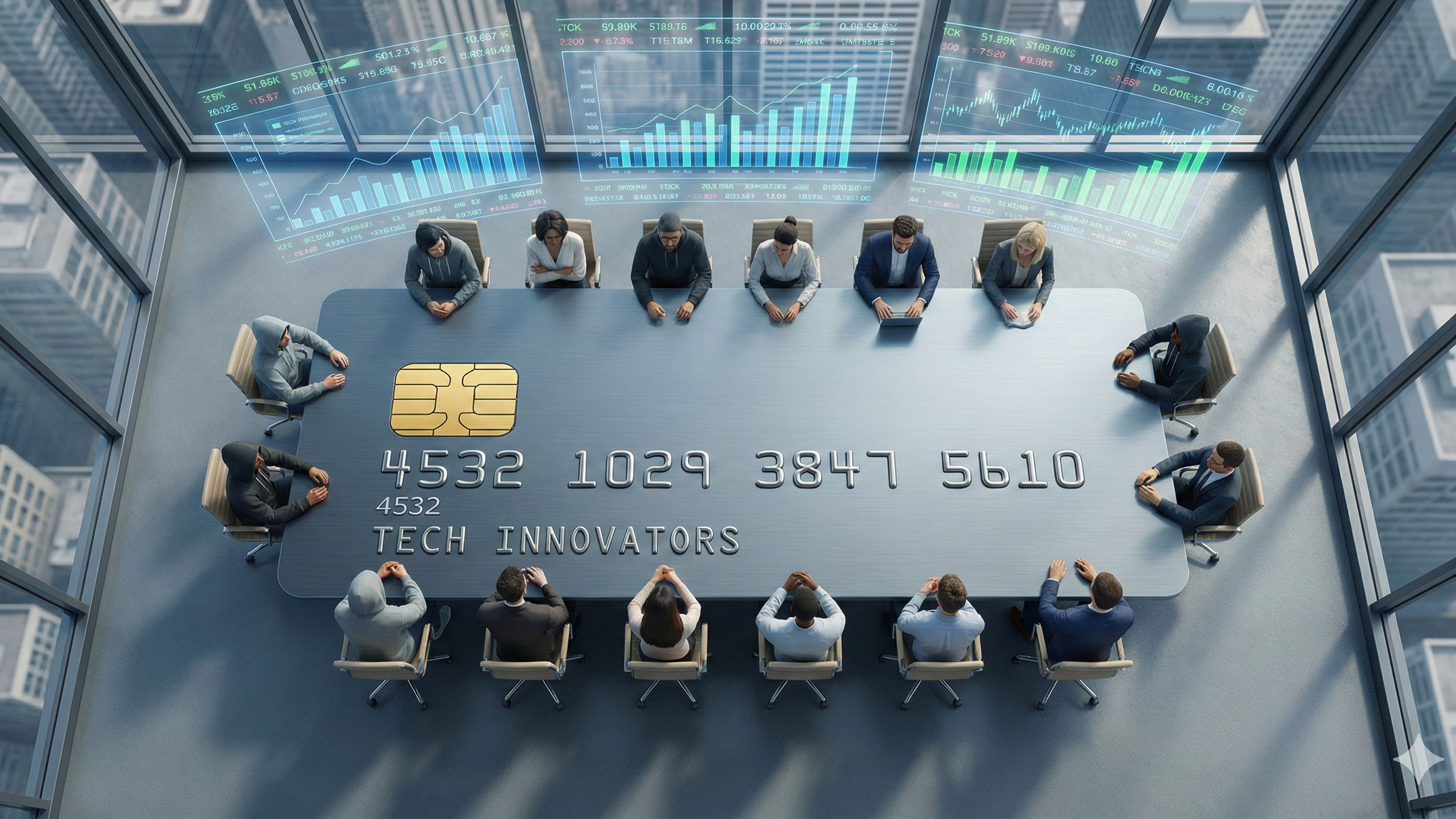
The big story was Alphabet, with the Google parent launching what started as a US$15 billion bond raising to fund AI - and not stopping there.
By day's end, the raise had ballooned past $20 billion on the back of order books exceeding $100 billion, with the debt sale eventually raised again to US$30 billion by Thursday including debut sterling and Swiss franc tranches.
The deal featured the first 100-year bond from a tech company since Motorola in 1997 - a comparison Michael Burry was quick to flag.
Morgan Stanley now expects hyperscalers to borrow $400 billion in 2026, up from $165 billion last year, with combined capex for the four largest tech firms tracking towards $700 billion.
Big tech began its turnaround from the $1 trillion sell-off, while BYD sued the U.S. government over unlawful import taxes - the first lawsuit by a Chinese carmaker challenging Trump's IEEPA tariffs.
The case is on hold pending a Supreme Court ruling, but a win could crack open the U.S. market for Chinese passenger vehicles via Brazil and Mexico.
Taiwan rejected the U.S. call for a 40% chip shift stateside, Databricks announced US$5 billion in funding, oil drillers combined as Transocean bought Valaris, and Australian super returns are tipped to fall in 2026 according to SuperRatings.
Monday.com tanked on a lower-than-expected outlook, Starmer was pressured to step down amid the Epstein scandal, and AppLovin's shareholder criminal claims were withdrawn.
The U.S. House aimed to pass a home affordability bill, airlines will no longer be able to refuel in Cuba, and a rotation to shorter bonds gathered pace as rate risks rose.
Target laid off 500 but will lift hours to improve service, and Workday's CEO stepped down with the co-founder returning to the helm.
Wednesday
Mid-week fizzled, with Coca-Cola revenues falling short but boosting key markets, and Spotify user numbers were surging as earnings beat estimates to continue the Swedish streamer's hot run.
Paramount sweetened but did not lift its offer for Warner Bros - a distinction shareholders will note.
Back home, calls grew to tighten glaring gaps in aged care advice.
Thursday
Earnings season delivered a mixed bag, with CBA shares surging as half-year profit beat expectations, while Ford reported its biggest earnings miss since 2021.
Marriott profits missed but shares jumped on strong guidance - markets rewarding the forward look over the rear view.
The EC waved through Google's purchase of Wiz, clearing one of the year's biggest tech deals.
BP halted buybacks and targeted cost-cutting, Origin Energy profits plummeted amid low gas prices, and AGL narrowed its FY26 outlook after an H1 profit drop.
U.S. payrolls beat forecasts, and the jobless rate ticked down to 4.3%, sending mixed signals to rate watchers, as the Fed's Miran defended Trump's tariff impact, and consumer fatigue showed up in December data.
Uber and Baidu expanded their robotaxi service to Dubai, MrBeast acquired teen banking app Step, and Shopify stocks dropped despite strong guidance - a pattern that haunted several names this week.
Warnings emerged that AI disruption is raising credit cycle risks, T-Mobile shares strengthened after Q4 results, Lutnick said he barely knew Epstein amid growing calls to quit, and McDonald's reported a strong Q4 helped by popular promos.
Friday
Anthropic closed a US$30 billion raise at a $380 billion valuation - the second-largest private tech round on record behind OpenAI's $40 billion haul, with GIC and Coatue leading the deal alongside Nvidia, Microsoft, Sequoia, and Founders Fund.
Annualised revenue has climbed to $14 billion, with Claude Code alone running at $2.5 billion - the company whose products have torched $2 trillion off the software sector is now worth more than most of the companies it's disrupting.
The SaaSpocalypse continued as the software sector fell another 3%, with the IGV index now down more than 22% from its October highs - bear market territory for SaaS, where Salesforce and Workday have each shed more than 40% over the past 12 months, and the IPO window is effectively frozen.
An xAI exodus sparked a SpaceX shake-up, U.S. tariff revenue grew 300% before the Supreme Court decision on their legality, and the House voted to override Trump's Canada tariffs in a rare bipartisan rebuke.
EssilorLuxottica's revenue soared due to AI glasses, Pro Medicus' half-year profit soared to a record, and Waymo's new robotaxi tech slashes costs and boosts range.
The U.S. budget deficit is set to grow in 2026 per the CBO, the NY Fed said Americans are bearing the brunt of the tariff surge, and existing home sales fell to a two-year low in January.
The Trump administration gave the sunset coal sector a stay of execution, Kraft Heinz paused its split saying issues are fixable, and Telstra will cut over 500 jobs as it relies more on AI.
Britney Spears sold her music catalogue, and Spirit Airlines is set to sell 20 jets amid its second bankruptcy declaration.
Travel stocks closed the week strong - Expedia beat estimates as bookings surged, Airbnb expects momentum to accelerate in 2026, and FedEx earnings surprised to the upside.
Trump said he's not ruling out further military response to Iran, and the Pentagon pushed AI into classified systems.