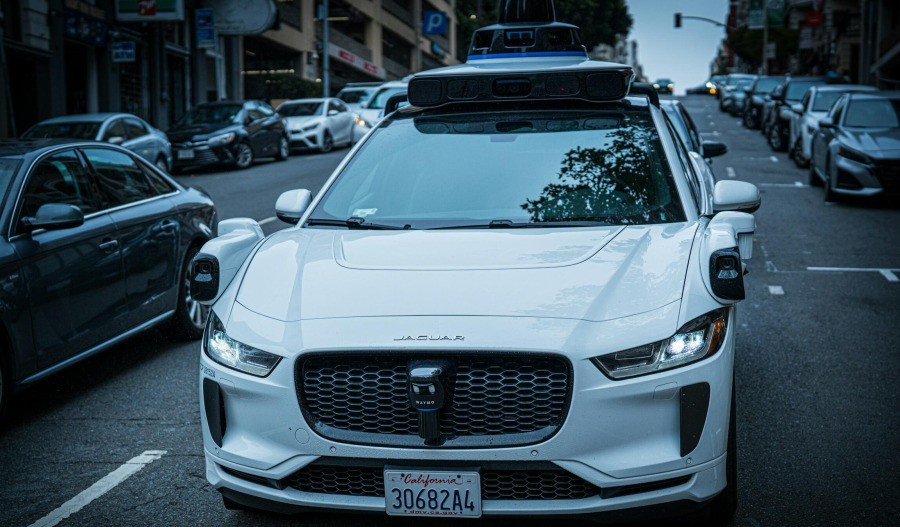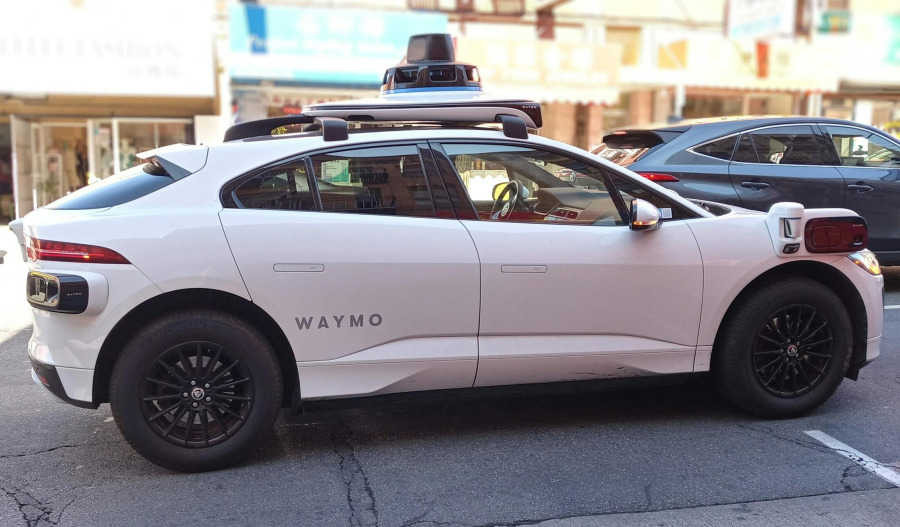
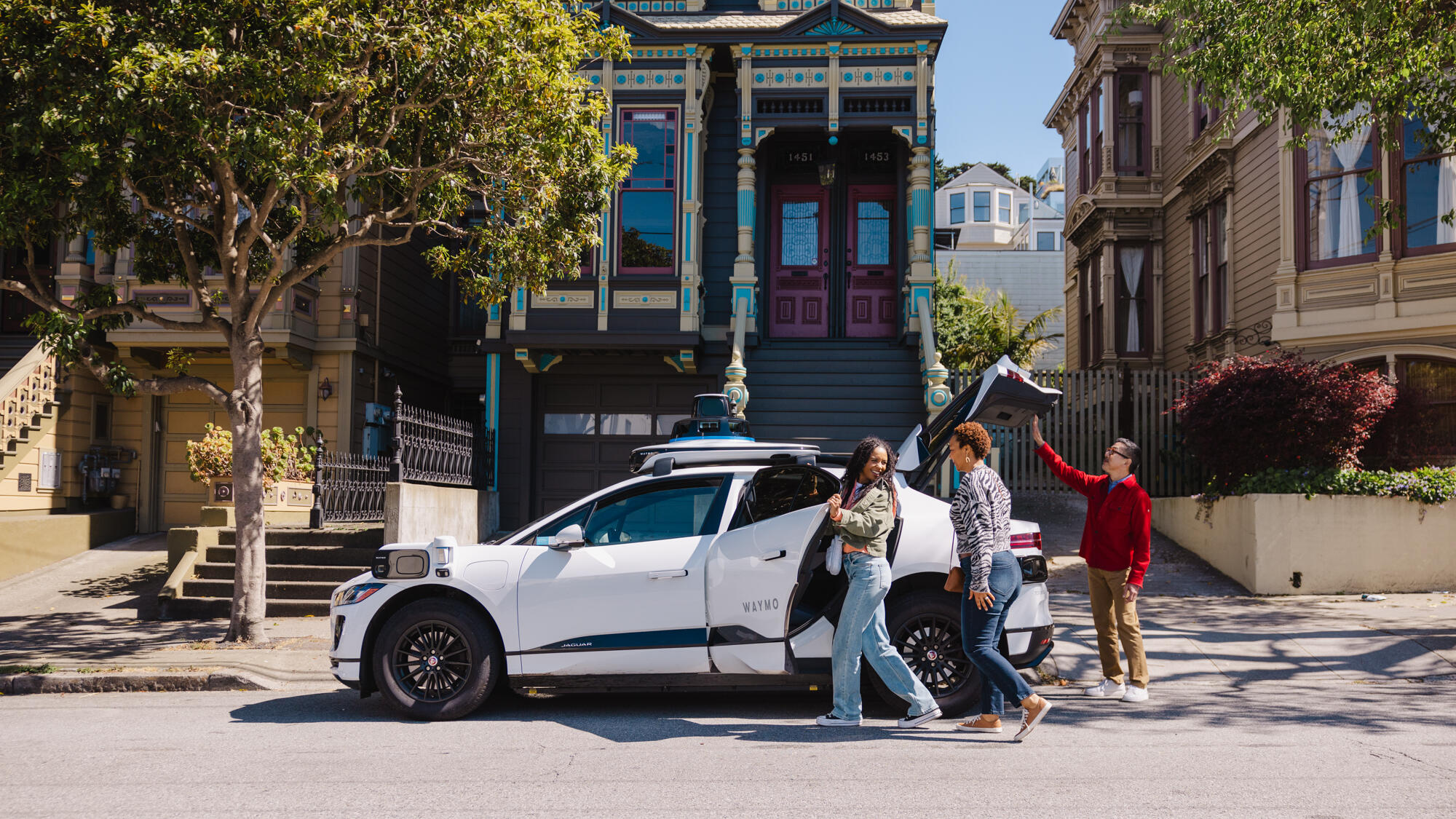
Waymo has begun fully autonomous operations with its sixth-generation Driver - a sensor package designed to slash costs while expanding into extreme weather markets.
The system represents seven years of operational data from nearly 200 million autonomous miles across 10-plus cities.
The latest configuration uses less than half the cameras of its predecessor while delivering superior performance through custom silicon chips and advanced processing.
Key tech upgrades
Vision system: 17-megapixel imager provides exceptional resolution, dynamic range, and low-light sensitivity - a generational leap ahead of standard automotive cameras.
Integrated cleaning systems maintain visibility when rain or road grime would blind conventional cameras.
Lidar: Leverages industry-wide cost reductions while maintaining greater range and fidelity than previous generations.
Short-range units provide centimetre-scale accuracy critical for navigating alongside pedestrians and opening car doors.
Upgraded illumination and processing help penetrate heavy roadspray and weather conditions.
Radar: Creates dense temporal maps tracking distance, velocity, and object size regardless of lighting or weather.
Uses lightweight machine-learning models to extract maximum information from each sensor and dynamically optimise performance.
Audio receivers: Detect emergency vehicle sirens and railroad crossings, often identifying direction before visual confirmation.

Platform versatility
The modular design allows reconfiguration across different vehicle platforms - currently the Ojai and Hyundai IONIQ 5 - while streamlining for efficiency.
The Ojai, manufactured by Chinese automaker Zeekr and shipped to the United States, features 13 cameras, six radars and four lidar sensors with heaters and wipers to clear snow and ice.
Waymo installs the sixth-generation autonomous driving system at its facility in Arizona before deployment.
The company's autonomous vehicle factory in Metro Phoenix is scaling toward tens of thousands of units annually.
Waymo currently operates in Austin, San Francisco, Phoenix, Atlanta, Los Angeles and Miami, with plans to expand into 20 additional cities, including Dallas, Denver, Detroit, Houston, Las Vegas, Nashville, Orlando and Washington.
The transition begins with employee rides in San Francisco and Los Angeles before opening to the public later this year.