The robotaxi industry is growing with Nvidia gearing up to start testing these vehicles in 2027 and Uber ramping up its efforts.
Nvidia announced it plans to offer a robotaxi service with a partner and would employ cars with “Level 4” driving, meaning they would be capable of driving without human intervention in pre-defined regions.
“We will probably start with a limited availability but work with the partner for us to get our footing,” Xinzhou Wu, Nvidia’s vice president of automotive, said at a self-driving demonstration in San Francisco last month.
Automotive and robotics chips accounted for just US$592 million in sales in the quarter ended in October, or around 1% of its total revenue.
Nvidia also announced a robotaxi deal with Uber in October to create cars with Nvidia AI infrastructure.
Uber also recently ramped up its efforts in the robotaxi industry, unveiling new robotaxis from Lucid Motors and Nuro at the 2026 Consumer Electronics Show.
The vehicle has been in development for more than half a year and was part of Uber's US$300 million investment in Lucis and its commitment to purchasing 20,000 of the company’s EVs.

The companies said the vehicles were ready to be tested on public roads, with commercial service planned to be launched in the San Francisco Bay Area later this year.
However, the user interface, similar to Waymo’s backseat control panel, is not yet ready for testing.
Over the past year, robotaxis have risen in popularity.
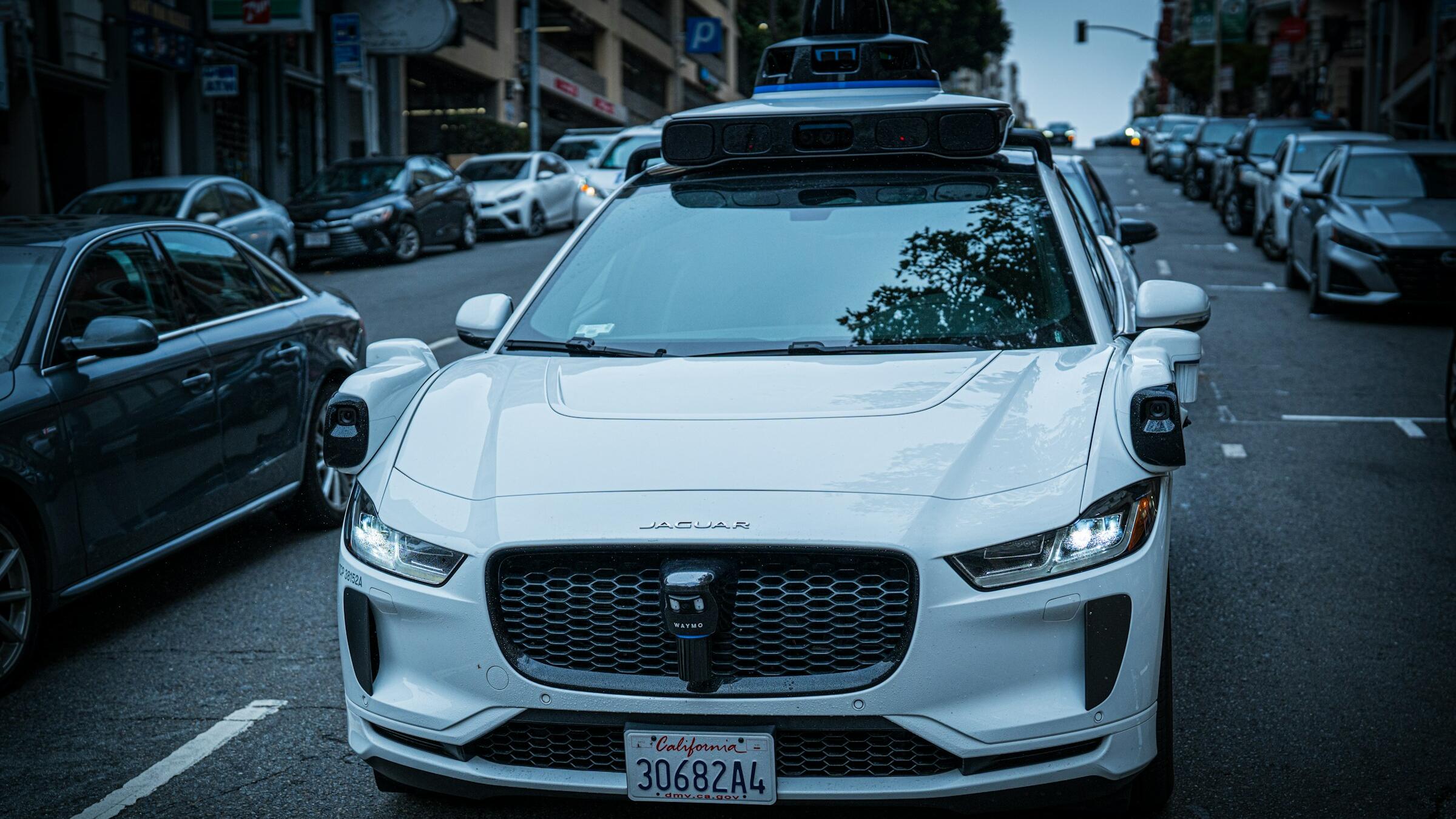
The two main competitors in the robotaxi business are Google’s Waymo and Tesla.
Waymo operates, is testing or has plans to launch in at least 26 markets, including major cities like Tokyo and New York City, while Tesla primarily operates in Austin, Texas.
Recently, Waymo started offering freeway driving routes in the San Francisco Bay Area, Phoenix and Los Angeles.
Companies have also begun to extend their reach to Europe. This includes Baidu, which said it would start testing self-driving taxis in the United Kingdom this year through its partnerships with Lyft and Uber.
Despite their rise in popularity, there have been high-profile incidents with the self-driving services, including Waymo suspending service in the San Francisco Bay Area last month following a blackout, causing more scepticism around the vehicles.