
The Australian Football League has announced a 50% increase in its surplus for 2025.
The peak body said the underlying operating surplus rose to $67.9 million in the year ended 31 October 2025 from $45.4 million a year earlier, a result that included contributions from controlled state subsidiaries, Marvel Stadium and Champion Data.
Revenue increased by 16% to $1.203 billion, mostly because of a contracted increase in broadcast and media revenues in line with the first year of the new broadcast agreement.
“There was also growth in commercial returns from Marvel Stadium events, commercial partnerships and consumer related revenue,” the AFL said in a media release.
The AFL also said the player payment limit rose to $17.8 million per club in 2024/25 from $15.8 million in the previous year, while gross player payments increased 10.58% to $327.7 million.
The average payment for a listed player was $505,961, up from $459,173 in 2024, while the average payment for players who played at least one senior match was $543,305, up from $493,592.
A total of 22 players earned at least $1.2 million, up from 10 in 2024, and 58 were earning at least $1 million, compared with 25.

AFL Commission Chair Richard Goyder said 2025 delivered records in membership, viewership and national participation growth, the second largest attendances in a season and outstanding seasons for the elite men’s and women’s competitions.
He said registered participants increased by more than 7% to more than 624,000, including a 155% surge in Superkick participants with almost 180,000 boys and girls registered across NAB AFL Auskick and NAB AFL Superkick.
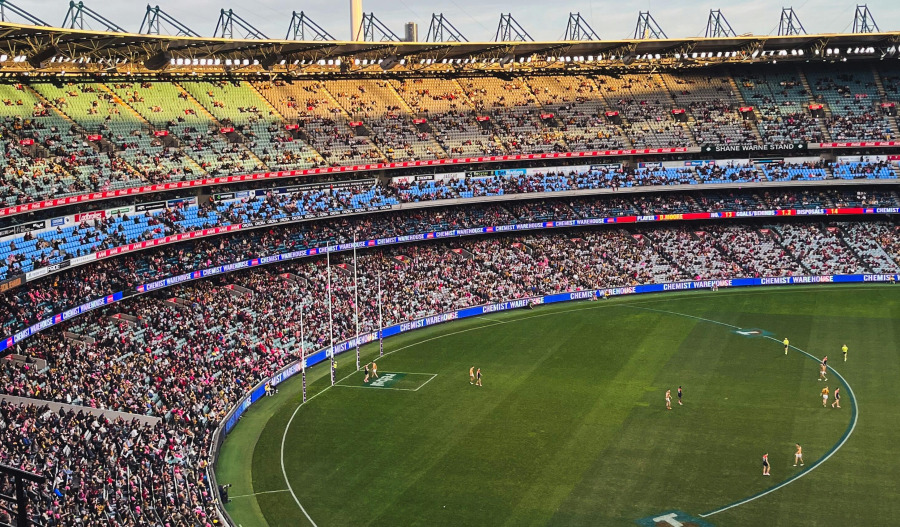
Attendance for the 2025 season across AFL home and away and finals matches was the second highest of all-time at 8.253 million.
AFL Club membership reached a record 1.363 million in 2025, up 3.26% on 2024 as 14 clubs broke membership records: the Adelaide Crows, Brisbane Lions, Collingwood, Fremantle, Geelong Cats, Gold Coast Suns, GWS Giants, Hawthorn, North Melbourne, Port Adelaide, St Kilda, Sydney Swans, West Coast Eagles and Western Bulldogs.
“While revenue has increased, it is important that we continue to drive cost discipline to ensure that we are able to continue to invest in all levels while ensuring the game remains affordable and accessible for everyone,” Chief Financial Officer Matthew Chun said.
Operating expenditure increased by 34% to $564.7 million due largely to an increase in distributions to clubs in line with the new Collective Bargaining Agreement, while commercial expenses also increased in line with revenue-related increases.
Distributions to players increased by $61 million, largely due to the Collective Bargaining Agreement across the Men’s and Women’s competitions and an additional $14 million was distributed to the AFLPA (Player Association) relating to revenue share agreements.