The Chinese electric vehicle giant BYD has filed a lawsuit in the United States Court of International Trade, challenging Donald Trump’s use of emergency powers to slap tariffs on imports and is demanding a full refund of every dollar it has paid so far.
The first Chinese carmaker to directly sue the U.S. government over tariffs, BYD is demanding its cash back, with interest and without delay.
Underpinning the case is a shonky, albeit explosive piece of legislation: the International Emergency Economic Powers Act, aka IEEPA.
It’s a law that allows U.S. presidents to act fast during national emergencies by freezing assets, blocking transactions and cutting off hostile actors.
Ironically, what it does not explicitly make reference to is tariffs.
BYD is arguing that the word “tariff” appears nowhere in the law, nor is there any reference to anything that clearly means tariff.
On this basis, BYD claims the U.S. government had no authority to impose them.
Four BYD subsidiaries - comprising buses, trucks, batteries and energy systems - are listed as plaintiffs.
The defendants read like a roll call of Washington power: Homeland Security, Treasury, U.S. Customs, and the Trade Representative’s office.
The Chinese company wants the U.S. court to declare the tariff orders invalid, block their enforcement permanently, and instruct the government to refund all duties collected under IEEPA, plus interest and legal fees.
This lawsuit coincides much bigger legal incendiary that’s ticking nearby.
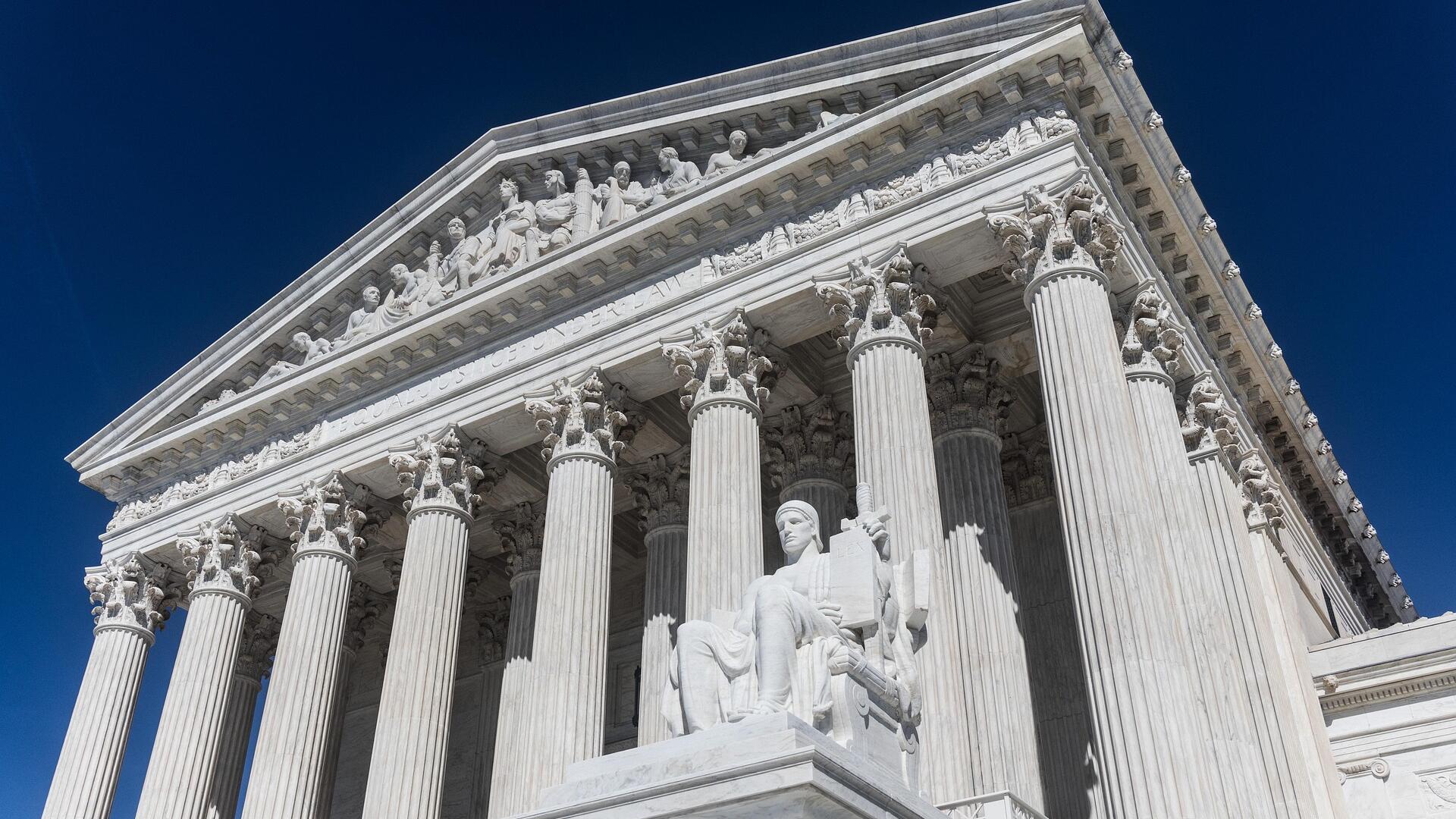
In a separate case, the U.S. Supreme Court is yet to decide if Trump’s tariff regime is lawful at all.
While the fallout from a court decision against Trump’s tariff regime would be catastrophic, BYD isn’t waiting around for that verdict.
By filing now, it locks in its right to claim refunds regardless of how long the Supreme Court takes.
What makes the case awkward for Washington is that BYD isn’t flooding the U.S. with cheap passenger cars - it doesn’t sell them there at all.
Instead, BYD quietly employs about 750 workers at its California facility, building electric buses and commercial vehicles.
It also supplies batteries, energy storage systems and solar equipment to American customers, but not in a manner that could be construed as dumping.
Nevertheless, it is still being hit with tariffs justified as a defence against Chinese auto domination.
Unsurprisingly, it’s this contradiction that sits at the centre of the case, especially given Trump’s repeated public comments that Chinese carmakers are welcome to build in the U.S., as long as they hire Americans.
BYD is already doing exactly that.
Meanwhile, thousands of companies - from carmakers to industrial suppliers - have filed similar lawsuits challenging tariffs imposed under emergency powers.
While most are seeking refunds, some are simply fighting for their survival.
However, for Chinese firms, BYD’s move breaks new ground, and instead of absorbing costs or waiting for diplomacy, it’s using U.S. courts to protect its commercial rights.
Admittedly, the outcome is far from guaranteed; courts don’t relish the idea of overturning presidential powers, especially in areas tied to national security.
But the legal question is narrow, technical, and dangerous for the government if answered incorrectly.
If the court agrees that IEEPA doesn’t authorise tariffs, the implications ripple far beyond BYD.
This would create a watershed precedent for an avalanche of future refund claims.
Not only would the tariff framework wobble, but the White House would also lose a favourite economic weapon.