Among the 200-plus globally significant financial institutions that restrict investment in coal are Australia’s major banks, which alone reduced their direct coal lending from A$3.5 billion in 2018 to a paltry $305 million in 2023.
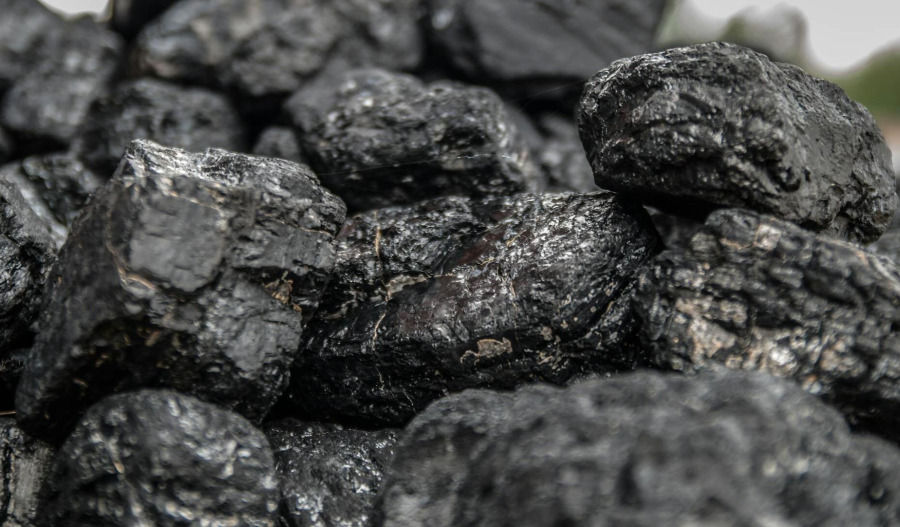
By any meaningful measure, investment in coal – universally regarded as the single biggest driver of global warming - is now regarded as on the nose.
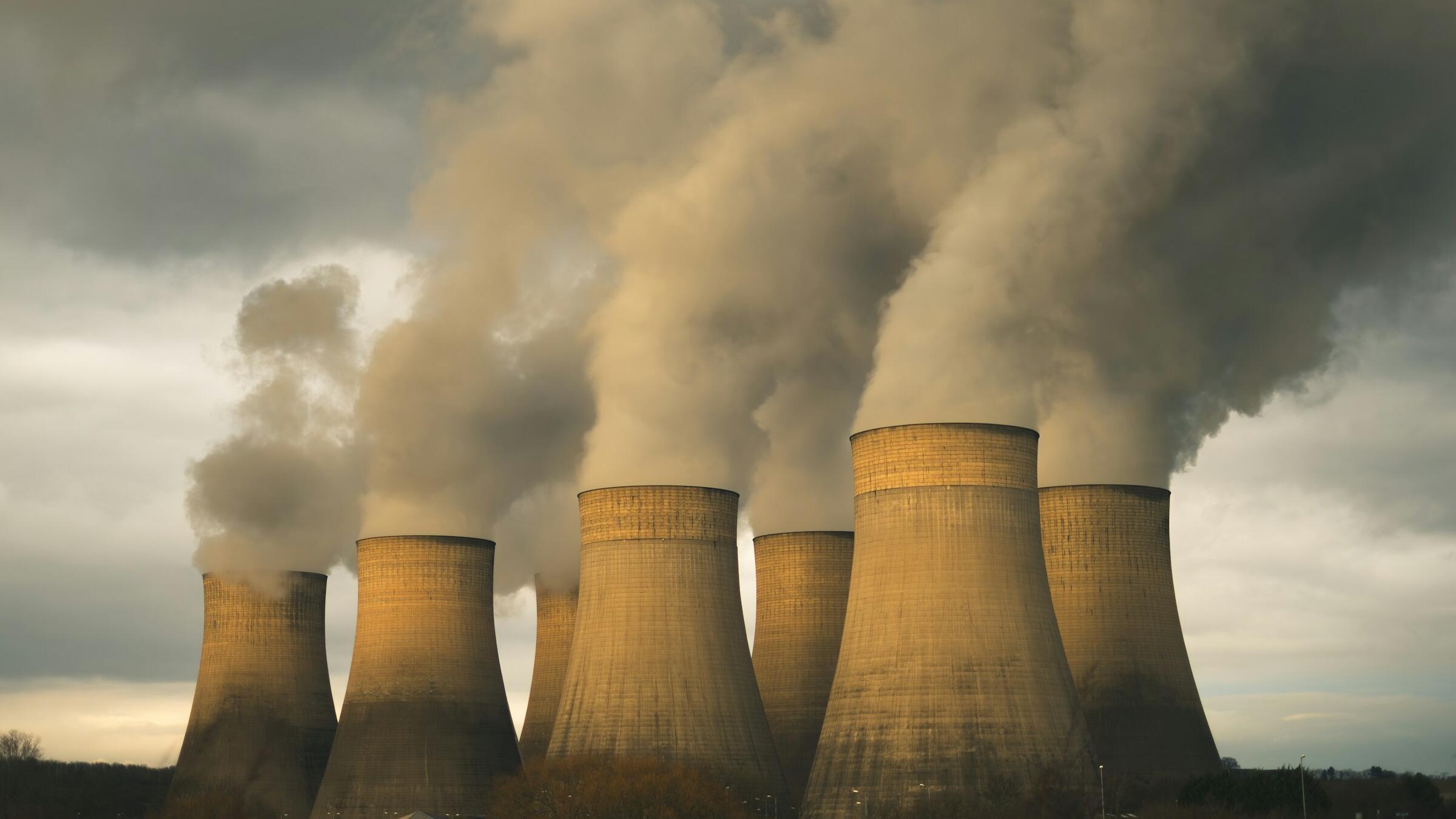
Coal plants produce more air pollution than other sources, and burning coal emits mercury, a powerful neurotoxin, and other heavy metals.
However, that hasn’t stopped United States President Donald Trump – a long-time renewables sceptic – from kicking the sector’s inevitable demise further down the road through his latest – stay of execution-style - executive order.
In an about-face to the Biden administration’s steps to restrict and phase out coal production, Trump has unveiled plans to use government funding and Pentagon contracts to sustain U.S. coal-fired power plants.
Long-term contracts
In summary, the U.S. Defence Secretary Pete Hegseth is entering into long-term contracts with coal plants across the country to power military installations.
Unsurprisingly, the move to potentially provide financial support to dozens of coal plants - that might have otherwise been set to retire in the coming years - saw several major U.S. coal stocks surge overnight.
“We’re going to be buying a lot of coal through the military now,” Trump said at a White House event on coal.
“We’re lifting up our hard working American miners like nobody has ever done before.”
Within a tongue-in-cheek nod to a president with an avaricious desire for public recognition, Peabody Energy (BTU) - which led the industry rally with its shares jumping as much as 9.6% - presented Trump with an "Undisputed Champion of Beautiful Clean Coal" trophy at a White House event.

New funding
Underpinning the coal miner’s mock award to the U.S president are plans by the U.S. Energy Department to distribute US$175 million to fund upgrades at six coal plants in Kentucky, North Carolina, Ohio, Virginia and West Virginia.
The agency announced the available funding last year, casting it as a bid to improve the efficiency of some coal plants and extend their operations.
The plans to revive the coal sector coincide with his administration’s efforts to snuff out federal support for renewable power projects that compete with fossil fuels and regulations that make coal plant operations more expensive to run.
Trump’s latest executive order is a major U-turn on measures introduced since 2005 that resulted in electric utilities retiring hundreds of older coal plants in favour of cleaner and cheaper natural gas, wind and solar power.
Trump’s plan to tout “clean, beautiful coal” as America’s most reliable and affordable energy source also coincides with the unwinding of a 2009 scientific determination by the Environmental Protection Agency about the perils of greenhouse gas emissions.
Coal-fired power plants wait it out
Given that Trump has championed coal since his first presidential campaign in 2016, the Tennessee Valley Authority has consciously decided to stall the retirement of two coal-fired power plants in the wake of measures meant to expand mining and domestic coal consumption.
While some analysts criticise Trump’s coal measures as an attempt to defy market fundamentals, investors have responded favourably to potential policy shifts that favour coal production over renewable energy.
Meanwhile, environmental & advocacy groups: Organisations such as the League of Conservation Voters and the Natural Resources Defense Council (NRDC) have condemned use of taxpayer and defence dollars to prop up "dirty, expensive, and unreliable" plants.
As well as planning to stop the closure of as many additional coal plants as they can over the next three years, the Trump administration is taking steps to improve the economics of coal.
That means rolling back several major Biden-era pollution rules designed to make it economically unviable for many coal plants to keep operating.
Coal on the uptick
Since the beginning of Trump’s second term in office, the amount of electricity produced by coal increased 13%, resulting in an uptick in America’s planet-warming emissions.
The backlash from environmental and public health groups to Trump’s use of tax dollars to prop up the nation’s dirtiest, least efficient power plants is unambiguous.
“The 19th century called, and it wants its fuel source back,” said Manish Bapna, president of the Natural Resources Defense Council.
“The rest of us are left to pay the price: more heart disease and asthma attacks, higher utility bills, and more frequent unnatural disasters,” Bapna added.
In case you were wondering, there are over 40 coal-burning plants within 100 miles of military installations around the U.S.
What long-term contracts with the Pentagon effectively do is provide these plants with greater financial certainty that would allow their owners to invest in them
and also provide a steadier source of demand for coal mines.
“These long-term contracts will be a major aid to providing long-term certainty,” noted Michelle Bloodworth, CEO of America’s Power, a trade group representing coal interests.
Minimal impact
However, environmental and renewable energy groups can take some solace from the limits of the military alone to support the coal industry.
According to Douglas Giuffre, who leads U.S. power and renewables research for S&P Global Energy, even if the Defence Department got all of its electricity from coal, it would only need about 3% of the nation’s coal power capacity.
However, if the Pentagon targeted its support at the subset of coal plants that were otherwise expected to retire, that could, admitted Giuffre, have a bigger impact.
Interestingly, not all coal plants see a silver lining embedded in Trump’s executive orders.
The owners of a coal plant in Craig, Colo., challenged the Energy Department’s efforts to use emergency authority to keep the unit open past its retirement date.
In regulatory filings, the owners said the coal unit is not needed for reliability and is currently broken, and that the cost of repairing it will fall on ratepayers.
“We have planned for the retirement of this resource for over a decade,” said Jason Frisbie, CEO of Platte River Power Authority, one of the plant’s owners.
“While Platte River will continue to comply with federal law, we disagree with the need to keep the plant open.”
Given that the Trump administration can’t permanently lift the fortunes of the coal industry, all his initiatives appear to be doing is staving off its terminal decline for a few more years.
While around 40,000 people are still employed in the U.S. coal mining industry today, that’s down around 80% from 173,000 in 1985.