

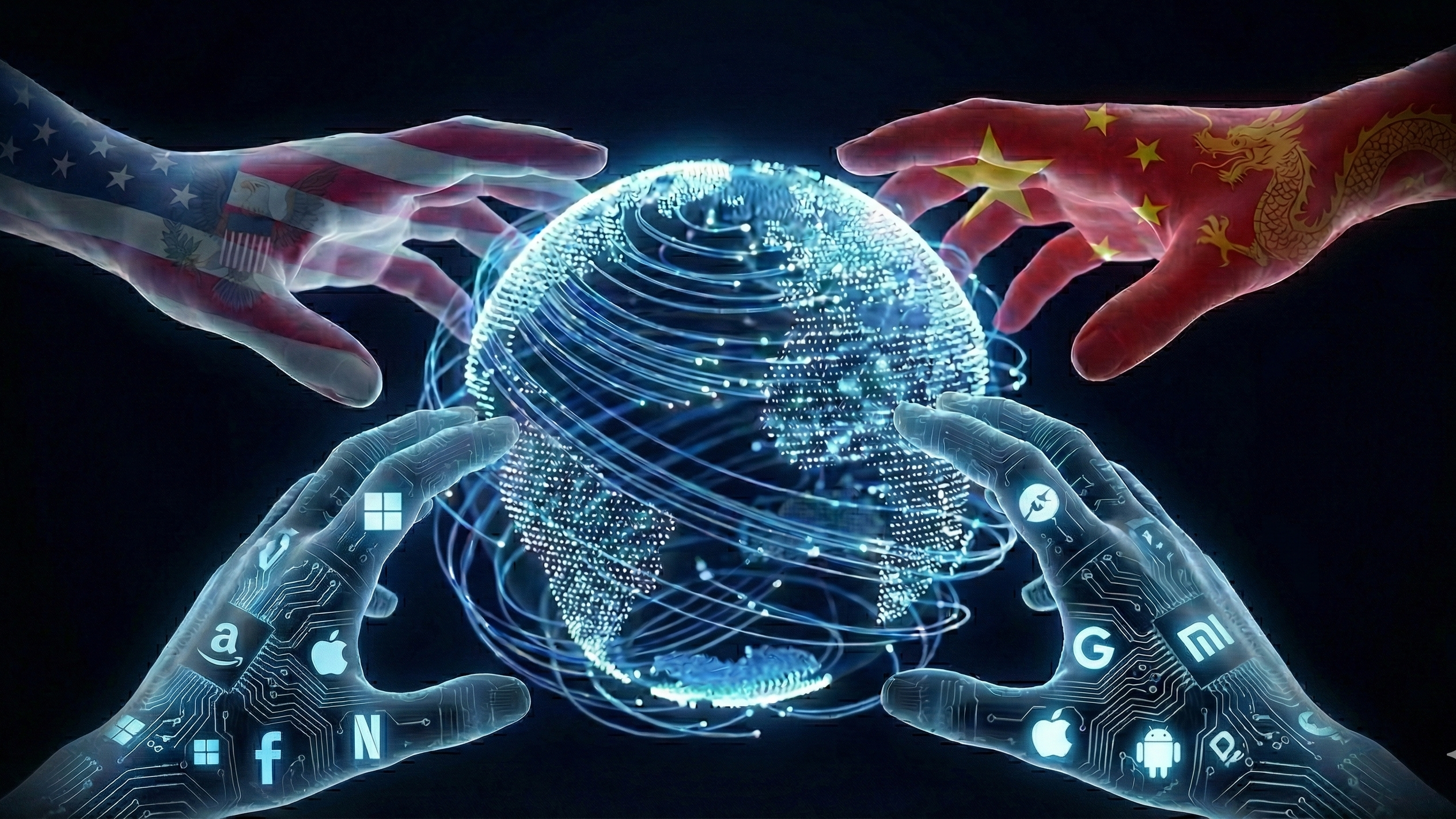
The first few days of 2026 have felt more like a Tom Clancy novel than a standard trading week as sovereign interests and industrial consolidation collided across the board. While the world watched Mar-a-Lago for back-channel diplomacy, the real action was unfolding in strategic mineral basins and the boardrooms of Silicon Valley.
All the top moves, shakes, and high-stakes power plays from Azzet’s editorial team are right here in your weekly business wrap every Friday (2 January, 2026).
We saw Nvidia effectively nationalise the chip sector, Chile seize control of the lithium market, and a flurry of Washington summits that left the global order looking for a new baseline.
Here is what you need to know:
Monday
The week opened with Donald Trump holding a high-stakes call with Vladimir Putin ahead of proposed talks with Volodymyr Zelenskyy, signalling a frantic start to the 2026 diplomatic calendar.
Simultaneously, the U.S. hammered its "maximum pressure" agenda by banning new foreign drones from entering the country, a move designed to kneecap the market dominance of China’s DJI and fortify domestic sovereign capability.
NASA chief Jared Isaacman is leaning into the new era of American space supremacy, promising a return to the moon within Trump’s current term to outpace Beijing’s growing extraterrestrial ambitions.
This bullishness in the West is in contrast to the East, where China’s industrial profits plunged 13% in November, highlighting a deepening structural malaise in the world’s second-largest economy that no amount of state rhetoric could mask.
Target shares caught a bid following news of a significant activist investment aimed at shaking up the retail giant’s value proposition for the new year.
Meanwhile, the administration's attempt to overhaul education finance hit a snag as over 300,000 student loan repayment plans were rejected, adding further friction to the U.S. consumer credit landscape.
While a winter storm disrupted US northeast air travel for thousands, other nations were busy implementing fiscal discipline.
In South America, President Javier Milei secured a major win as the Argentina Congress approved the first budget of his tenure, while Lebanese lawmakers successfully passed a financial gap draft law to address the country's ongoing liquidity paralysis.
Even the sporting world felt the pinch, with Cricket Australia bowled over by A$15 million in revenue leakage after a string of short Test matches.

Tuesday
If there was any doubt about who wears the crown in Silicon Valley, Tuesday settled it when Nvidia completed a rescue placement for Intel.
Once bitter rivals, Intel is now essentially a strategic ward of the AI boom, leaning on Nvidia’s balance sheet to fund its massive foundry ambitions and ensure the U.S. remains the global hub for advanced logic chips. At the same time, Nvidia hired the Groq team and licensed its IP to solidify its dominance in inference hardware.
Chile has executed a masterstroke by creating a new strategic metals giant to control the Salar de Atacama, effectively nationalising the world’s most efficient lithium deposit until 2060.
This pivot toward resource sovereignty coincides with a heating space race, as China’s LandSpace is now rumoured to be planning a massive US$2.7 billion IPO in 2026 to fund its reusable rocket programme.
Masayoshi Son is not done yet, with his SoftBank moving to buy DigitalBridge for US$4 billion to bolster its global AI infrastructure footprint and secure its place in the data centre arms race.
However, the mood was darkened by reports that peace hopes were dented by claims of a drone attack on Putin’s residence, just as Trump ordered the US to hit all the boats in a fresh show of force against the Maduro regime in Venezuala. All of this comes as analysts suggest tax cuts are helping the American economy look toward a more stable 2026.
Wednesday
Mid-week belonged to high-level diplomacy as Israeli Prime Minister Netanyahu arrived in Washington for talks underscored by a mammoth $8.6 billion Boeing deal.
The Pentagon cleared the delivery of 25 new F-15IA jets, ensuring Israel maintains its qualitative military edge while the U.S. simultaneously announced new sanctions on Iran and Venezuela to choke off the shadow weapons trade.
Mark Zuckerberg’s Meta has snapped up AI startup Manus, a move designed to bolster its autonomous agent capabilities and stay ahead of the curve in a hyper-competitive sector.
Meanwhile, Mexico’s increased tariffs on China kicked in this week, effectively closing a popular "back door" for Beijing’s goods into the North American market and aligning Mexico City more closely with Washington's trade barriers.
The December Fed minutes revealed a divide over the latest rate cut, proving that the "higher for longer" ghost still haunts the Eccles Building despite a bullish outlook for 2026.
The corporate world felt the chill elsewhere, as Citigroup lost $1.2 billion on the final sale of its Russian unit, while the executive search at Star Entertainment widened following another round of senior departures.
As the year winds down, Zelenskyy confirmed talks on U.S. peace troops might be on the table to secure a lasting ceasefire. This caps off a transformative period for the sector, as highlighted in our look at the 10 tech deals of Q4 that truly defined the current AI arms race.
Friday
Closing out the week, Masayoshi Son has effectively declared war on the status quo, with a SoftBank cash injection fuelling OpenAI and its quest for infrastructure dominance.
The $22.5 billion commitment ensures that the silicon and energy bottleneck remains the primary battlefield for the next phase of the LLM arms race.
Washington has also shown a surprising flash of pragmatism in its trade crusade, as the U.S. granted an import licence to TSMC for its Nanjing operations.
By replacing the old waiver system with a formal annual approval, the Department of Commerce is attempting to maintain global supply chain stability without surrendering its oversight.
On the home front, the "AI tailwind" has translated into direct wealth for millions, with Australian super funds returning 9.1% across 2025.
The median growth fund has outperformed expectations, largely thanks to the outsized returns of the "Magnificent Seven" and a robust domestic banking sector that managed to dodge the worst of global volatility.
Finally, the screws were tightened on the “axis of evasion” with the U.S. announcing new sanctions targeting the combat drone trade between Tehran and Caracas.
By blacklisting 10 individuals and entities, the U.S. Treasury is looking to disrupt the flow of Mohajer-series UAVs that have become a focal point of regional destabilisation.