Boeing’s defence division has ended the year on a significant high note after securing a mammoth US$8.6 billion contract from the United States Pentagon.
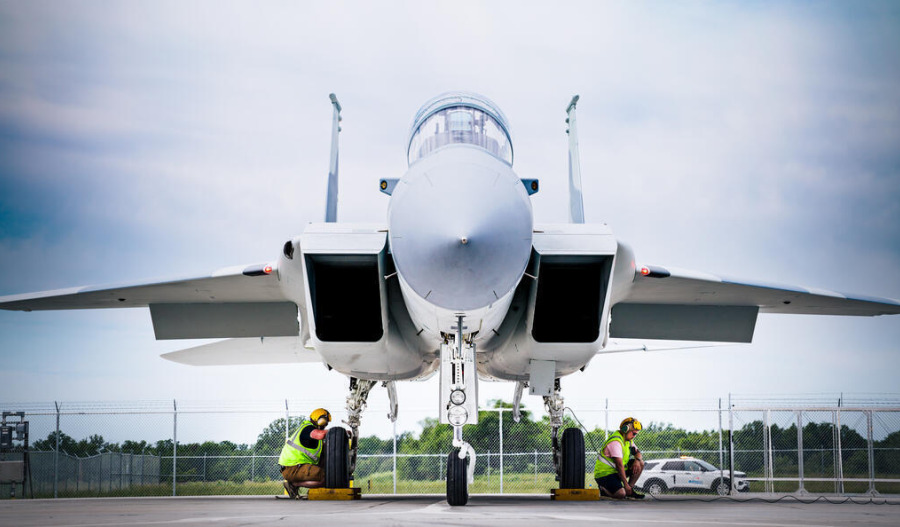
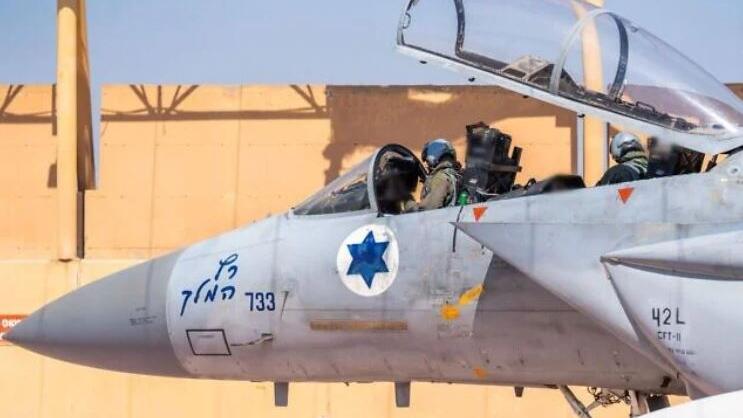
Handled as a Foreign Military Sales requirement, the agreement covers the design, production, and delivery of 25 new fighter jets under the F-15 Israel acquisition program.
These aircraft, designated as the F-15IA, represent a tailored version of the F-15EX Eagle II platform and are engineered to meet specific regional requirements.
Beyond the delivery of new jets, the deal includes modification kits for Israel’s existing F-15 fleet to ensure technological consistency across the entire squadron.
Israeli officials also retain a strategic option to purchase another 25 aircraft in the future, which would effectively double the scope of the current order.
Engineering and production work will be concentrated at Boeing’s St. Louis facilities, providing the site with nearly a decade of operational visibility.
Initial funding worth $840 million was released immediately to kickstart long-lead production and ensure the project remains on its 2035 schedule.

Industrial reinforcement
While the F-15IA remains a primary focus, the Pentagon simultaneously confirmed a $4.2 billion modification for the E-4B National Airborne Operations Centre.
Known colloquially as "Doomsday" planes, these four aircraft serve as mobile command hubs and require specialised contractor logistics services to remain mission-ready.
Sustaining these critical national assets involves a complex mix of maintenance and supply chain management that is now funded through 2027.
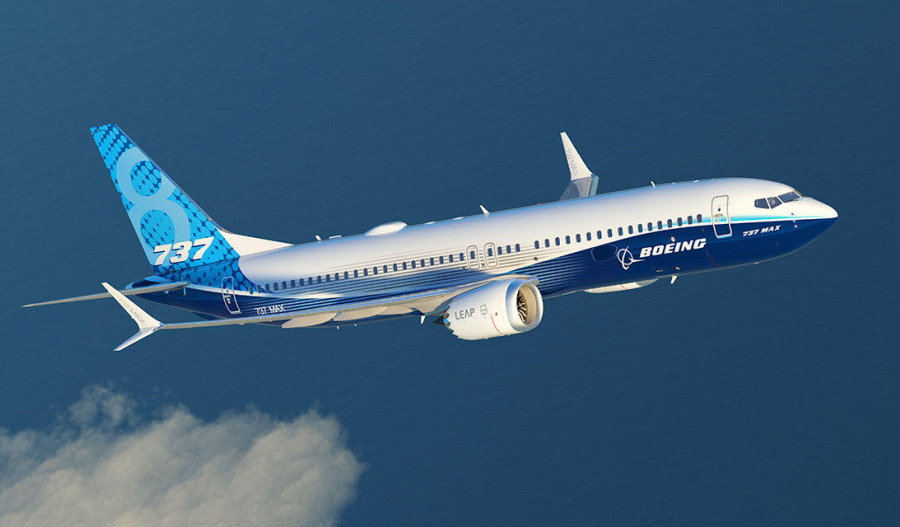
Analysts view these combined awards as a timely boost for Boeing’s defence backlog, particularly as the company navigates industrial hurdles in its commercial sector.
Landing such a large-scale international order is instrumental in stabilising the production line for the Eagle platform over the coming years.
It also ensures that Israel maintains its qualitative military edge, which remains a core component of U.S. foreign policy, and positions Boeing as the primary hardware provider.
Future deliveries of the F-15IA will eventually allow the Israeli Air Force to pair heavy-strike capabilities with their existing F-35 stealth fleet for a more versatile aerial response.