Newly appointed NASA Administrator Jared Isaacman said on Friday that the United States will return to the Moon within President Donald Trump’s second term.
Speaking to CNBC’s “Closing Bell Overtime”, Isaacman said the president’s recommitment to the Moon is central to unlocking what he described as the emerging “orbital economy”.
“We want to have that opportunity to explore and realise the scientific, economic and national security potential on the moon,” Isaacman said.
The remarks were among Isaacman’s first public comments since his Senate confirmation last week, following a protracted approval process throughout 2025.
Trump initially nominated Isaacman for the role in December 2024 but withdrew the nomination in May, citing unspecified “prior associations”.
The decision was widely linked to Isaacman’s close ties with SpaceX chief executive Elon Musk, amid a public feud between Musk and Trump over the summer.
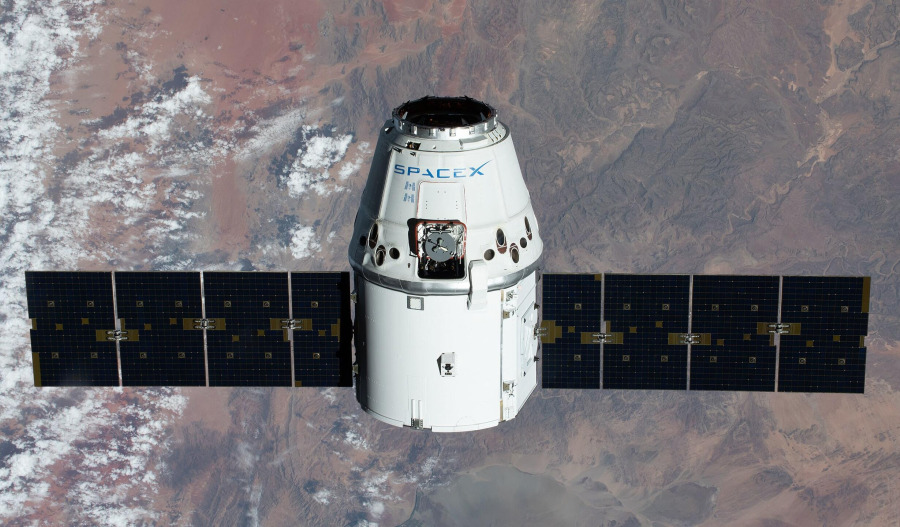
Trump renominated Isaacman in November. The entrepreneur became a civilian astronaut after commanding an orbital mission aboard SpaceX’s Crew Dragon spacecraft in 2021 and has since emerged as a prominent advocate for commercial space development.

Isaacman said lunar opportunities could include the establishment of space-based data centres and infrastructure, as well as the potential mining of Helium-3, a rare gas embedded in the Moon’s surface that could be used as fuel for future fusion power.
He added that once a permanent lunar presence is established, NASA would look to invest in nuclear power generation and space-based nuclear propulsion to support deeper space exploration.
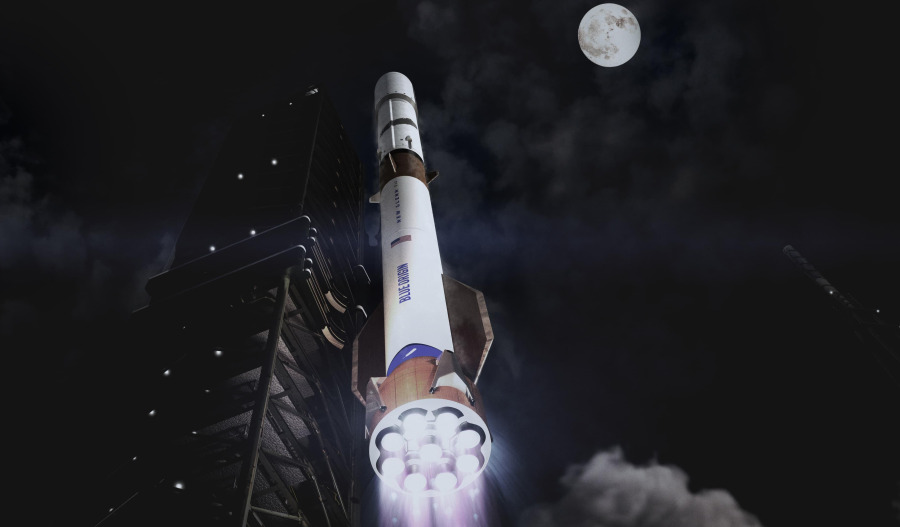
NASA is currently working with contractors including SpaceX, Blue Origin and Boeing as part of its Artemis programme, which is designed to return humans to the Moon and lay the groundwork for future missions to Mars.
Momentum for the campaign was boosted earlier this year after Trump’s One Big Beautiful Bill Act allocated US$9.9 billion in funding to NASA.
The Artemis II mission, which will mark NASA’s first crewed test flight of the Space Launch System rocket and Orion spacecraft, is expected to launch in the near future, Isaacman said.
That mission will be followed by Artemis III, with SpaceX contracted to develop the lunar landing system.
SpaceX and Blue Origin are also refining heavy-lift launch vehicles and on-orbit cryogenic propellant transfer capabilities to improve reusability and reduce costs.
“That’s what’s going to enable us to be able to go to and from the moon affordably, with great frequency, and set up for missions to Mars and beyond,” Isaacman said.