Warsh sharpens inflation warning at Jackson Hole
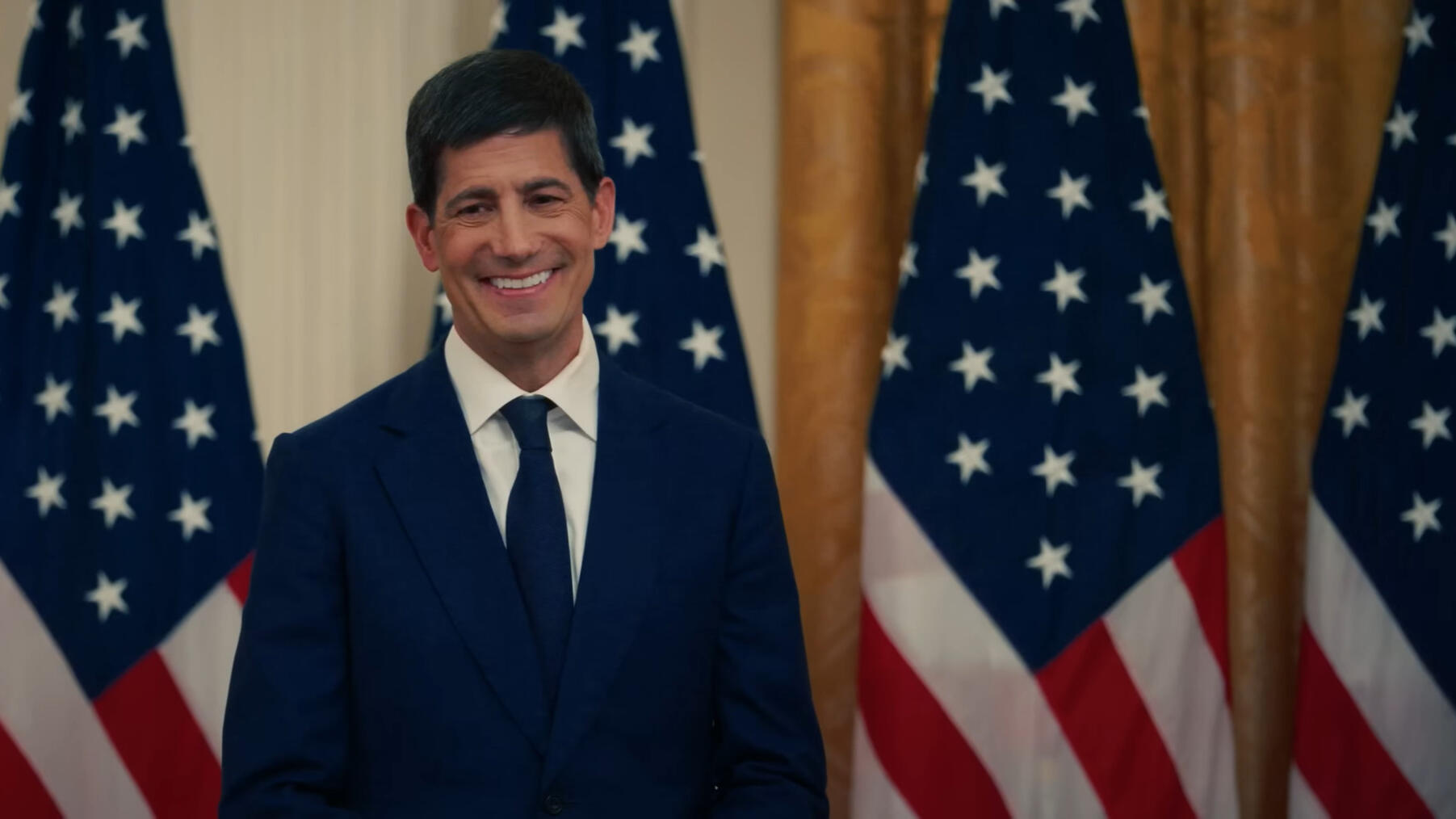
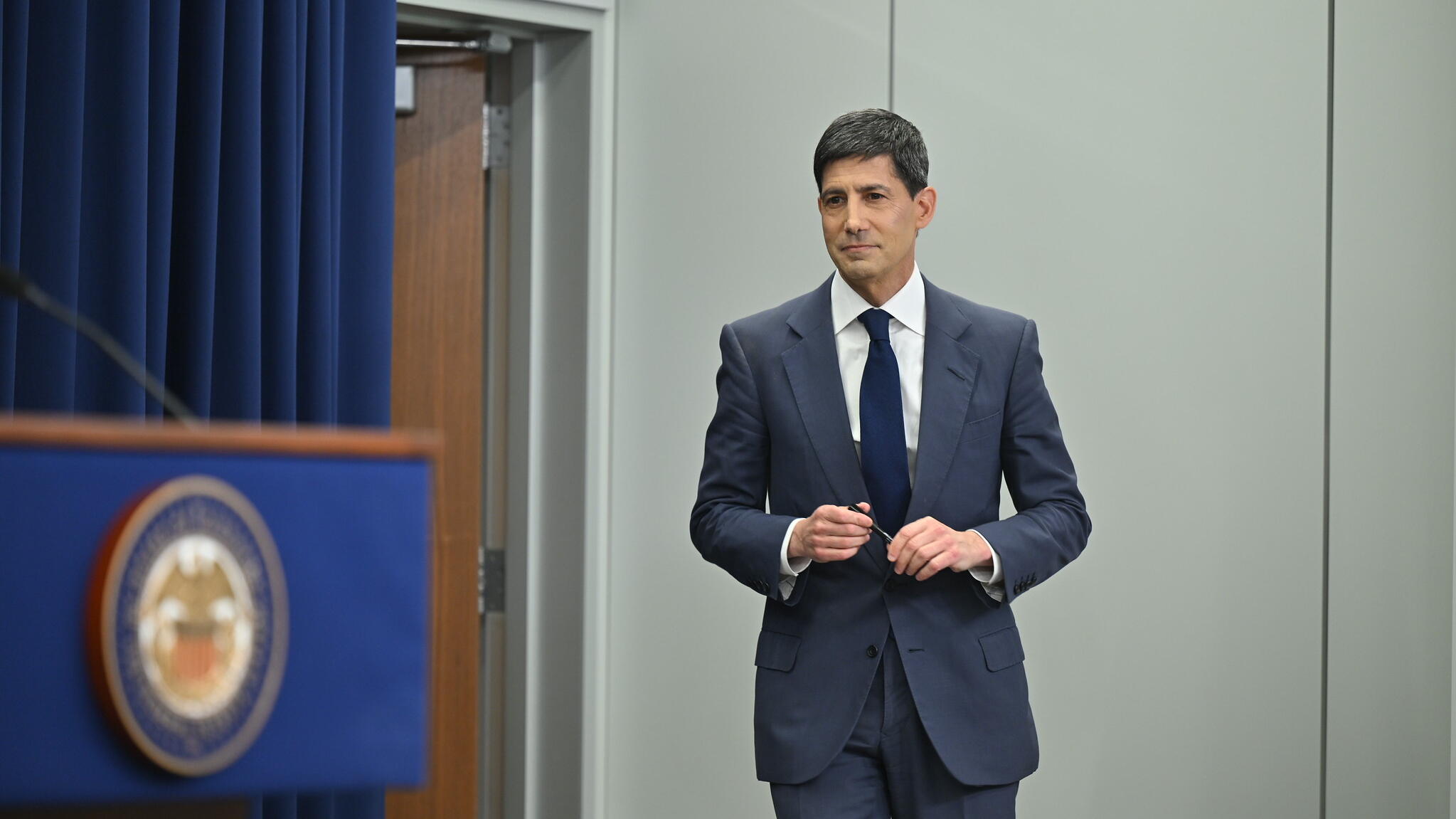
Federal Reserve Chairman Kevin Warsh delivered a more hawkish assessment of inflation at Jackson Hole on Friday, prompting traders to increase bets on an interest rate hike at the Federal Reserve's September meeting. Warsh said elevated prices should remain the central bank's primary focus and described financial conditions as not broadly restrictive, a shift from his July news conference, when he characterised conditions as uneven. “We can be held accountable for delivering on our remit - the only true test of our credibility,” Warsh said. The Fed will not meet to decide interest rates until mid-September, and Warsh stopped short of explicitly signalling what policymakers would do at the meeting. Warsh also reaffirmed the Fed's commitment to its 2% PCE inflation target. "there should be no misunderstanding: The Fed's price-stability objective of 2 percent, as measured by the personal consumption expenditures (PCE) price index, is a firm, fixed target. Let's be equally clear about another aspect of the objective: Price stability is not self-executing, nor is inflation necessarily mean-reverting. It is the Fed's job to deliver stable prices." United States personal consumption expenditures (PCE) inflation stood at