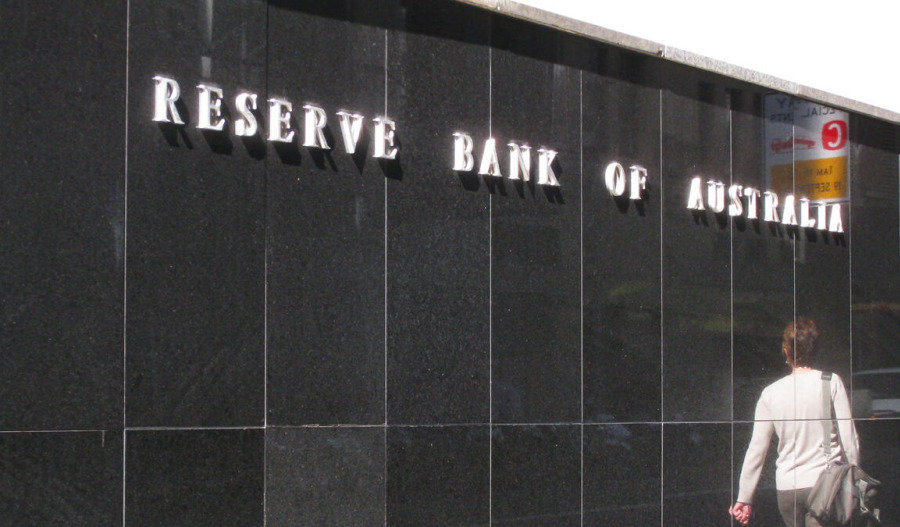
Australia’s central bank considered whether a rise in interest rates might be needed in 2026 after a recent pick-up in inflation, according to the latest meeting minutes, but judged it would take more time to assess whether the pressures would persist.
Minutes from the Reserve Bank of Australia’s December policy meeting showed the board believed inflation risks had increased following stronger-than-expected consumer price readings in October and the September quarter.
However, members cautioned that part of the lift could reflect volatile factors, noting that the upcoming December quarter data would be critical.
While welcoming the inaugural release of the complete monthly consumer price index (CPI), the board flagged challenges in interpreting the new data series.
“Members noted that it would take time to understand the properties of the new monthly CPI data. Furthermore, as the November Statement had set out, monthly data are inherently more volatile than quarterly data, and the difficulty of seasonally adjusting some components at a monthly frequency (owing to their short history) would make the trimmed mean and other measures of the underlying monthly inflation rate less reliable for a period,” the minutes said.
“As a result, the staff would continue to rely primarily on the quarterly CPI – which has a much longer history and well-understood properties – for a while to assess the underlying momentum in inflation. Members noted that inflation data for the December quarter would be available prior to the February meeting.”
Board members also observed that expectations for the policy rate had moved significantly higher in recent months, but that the adjustment had been relatively smooth as data showed the domestic outlook strengthening and risks to the global economy easing.
“While recent data suggested the risks to inflation had titled to the upside, members felt it would take a little longer to assess the persistence of inflationary pressures.”
RBA Governor Michele Bullock had already adopted a more hawkish tone following the meeting, ruling out further rate cuts and warning that hikes could be required if inflation failed to moderate.

Consumer price inflation rose to 3.8% in October, partly reflecting the expiry of some government electricity rebates, a factor expected to keep annual inflation elevated through to mid-2026.
More significant for policy, underlying inflation increased to 3.3%, pushing it further above the RBA’s 2% to 3% target band and raising concern among board members.
The board nevertheless judged that if the recent inflation lift proved temporary, holding the cash rate steady at 3.60% “for some time” could be sufficient to keep the economy broadly in balance.
That assessment places added importance on inflation data for December and the full fourth quarter, due in late January.
A strong outcome could increase the likelihood of policy tightening at the RBA’s 3 February meeting.
Financial markets have already repriced sharply, with traders assigning around a 25% chance of a February rate hike.
A quarter-point increase is fully priced in by July, with about 44 basis points of tightening implied for 2026.
The minutes showed the board was split on whether financial conditions were restrictive enough to rein in inflation, with some members pointing to strong housing prices and aggressive bank lending as signs conditions may no longer be tight.
The board did agree, however, that the labour market remained slightly tight and that the economy was likely operating with excess demand, while elevated capacity utilisation suggested ongoing supply constraints.