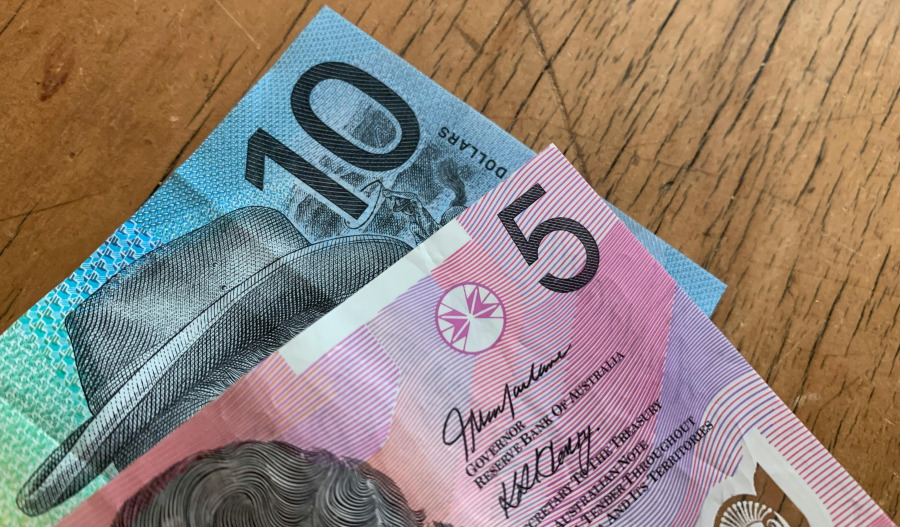
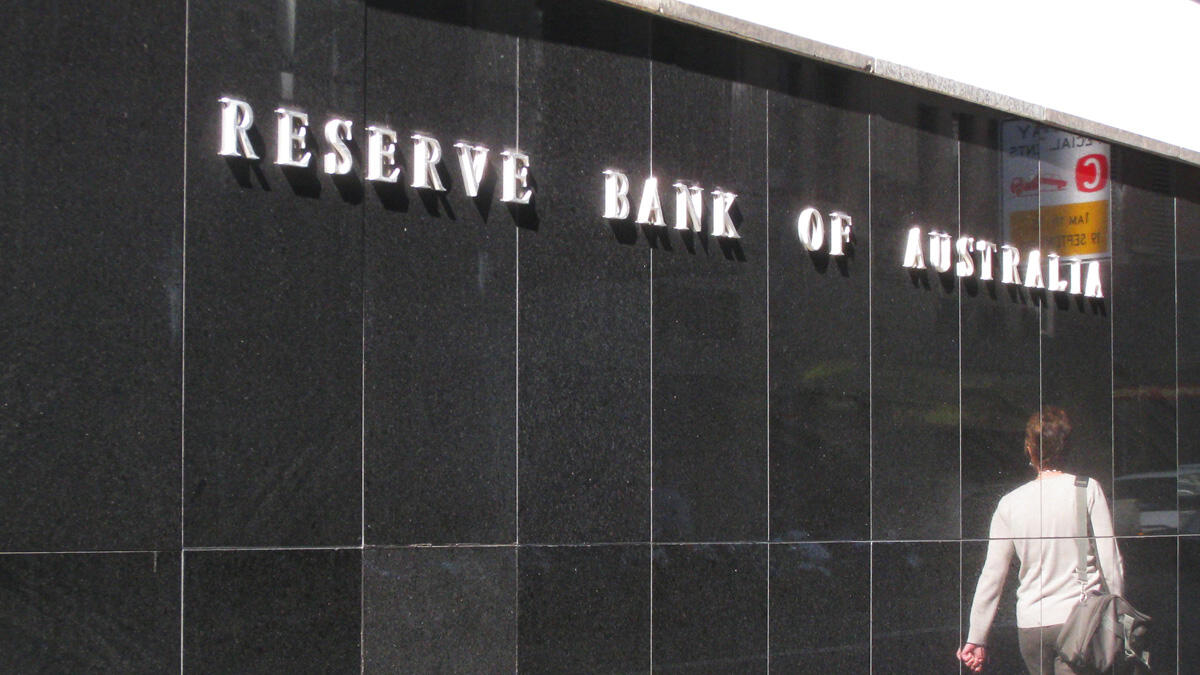
The Reserve Bank of Australia (RBA) has unanimously agreed to hold cash rates steady at 3.6%, citing caution as inflation rises.
The decision follows an increase in inflation in October and an uptick in annual economic growth rates last quarter. The RBA last cut interest rates in August, with rates being lowered by 0.75% across 2025.
“The recent data suggest the risks to inflation have tilted to the upside, but it will take a little longer to assess the persistence of inflationary pressures,” wrote the RBA Governance Board.
“Private demand is recovering. Labour market conditions still appear a little tight but further modest easing is expected. The Board therefore judged that it was appropriate to remain cautious, updating its view of the outlook as the data evolve.”
October’s increase in underlying inflation was likely “due to temporary factors and there is uncertainty about how much signal to take from the monthly CPI data", the Board wrote. “Nevertheless, the data do suggest some signs of a more broadly based pick-up in inflation, part of which may be persistent and will bear close monitoring.”
The Board did not consider cutting rates this meeting, RBA Governor Michele Bullock said at a press conference, and it does not expect any cuts “for the foreseeable future”. “We didn't explicitly consider the case for a rate rise at this meeting, but we did consider quite a lot the circumstances and what might need to happen if we were to decide that interest rates had to rise again at some point next year.”
“If inflation continues to be persistent and looks like it is not coming back down towards the Board's target, then I think that does raise questions about how tight financial conditions are, and the Board might have to consider whether or not it's appropriate to keep interest rates where they are or in fact at some point raise them,” said Bullock.

Bullock also said recent inflation had been temporarily lowered by electricity rebates this year, with headline inflation data rising as their effects rolled off.
The ASX 200 was at 8,607.10 as of 2:35 pm (AEDT), shortly after the RBA's decision. It had dropped to 8,590.30 by 4:10 pm, and has fallen by 0.4% so far today.
Next year, the RBA will be “on an extended hold with the cash rate at 3.60% – a rate relatively close to neutral, with a labour market that is, in our view, close to balanced, and GDP growth around potential,” ANZ head of Australian economics Adam Boyton projected ahead of today’s decision.
“We no longer see one final rate cut from the RBA in the first half of 2026, given recent inflation pressures,” wrote Boyton. “The move higher in the unemployment rate this year and our view that the labour market is ‘balanced’ rather than tight also make it hard to see a rate hike in 2026.”
Markets have been pricing in a 100% chance of a rate hike in 2026, however.
In a separate release, Australian business confidence dropped by five points to reach 1 in November, according to a National Australia Bank survey released today.
Its business conditions index, which measures sales, profitability, and employment, fell by three points to 7. Sales declined by six points to 12, and profitability was down five points to 4, while employment rose by one point to 4.