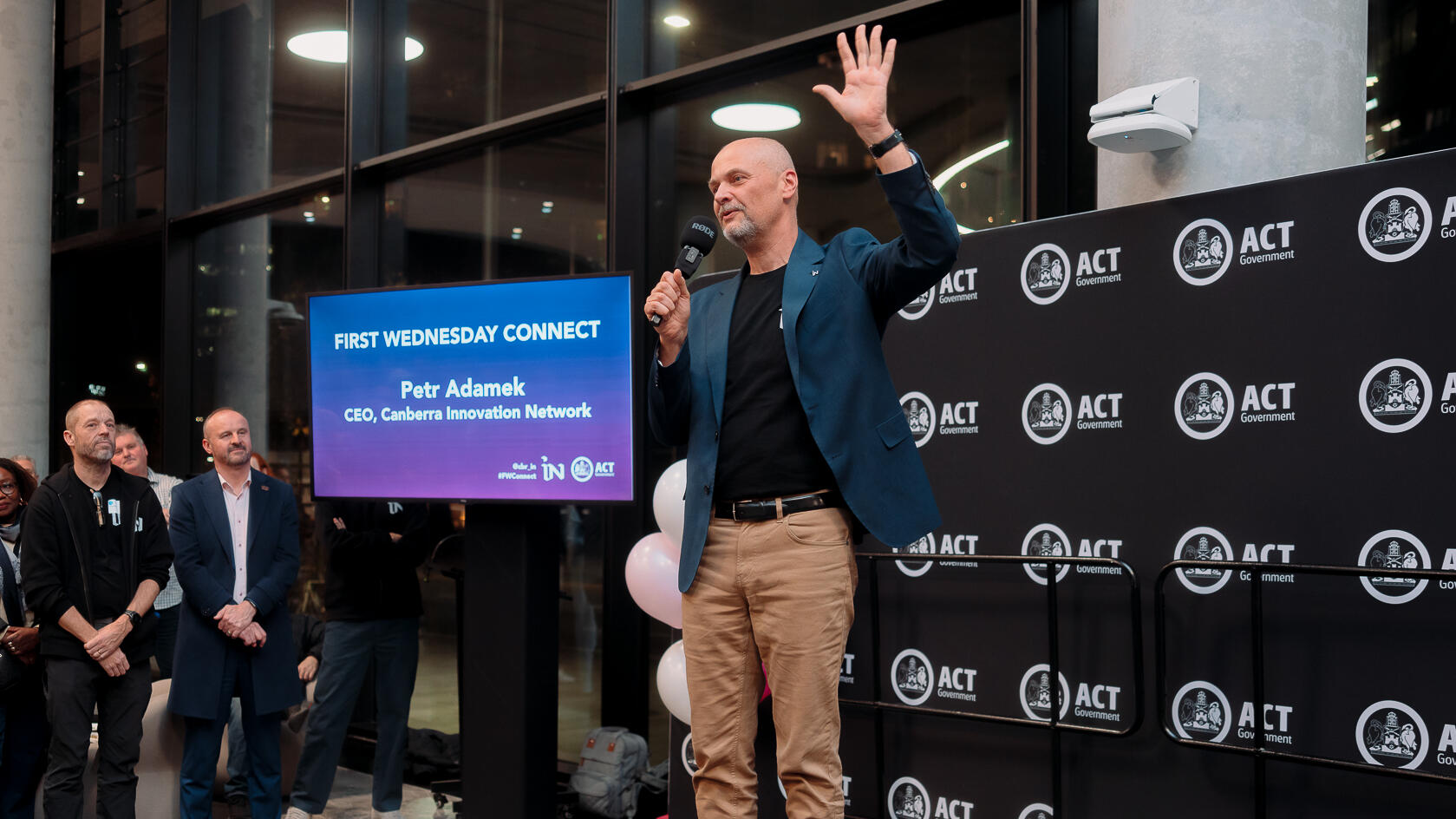
Petr Adamek has helped many entrepreneurs and start-ups grow while also experiencing the rapid rise of artificial intelligence (AI).
Adamek started out studying AI in the Czech Republic during the 90s and has since started working at the Canberra Innovation Network in the early 2010s to help entrepreneurs break into the market.
Advancements in AI
When Adamek was studying AI, he said it was vastly different to how we experience it today when he created a program for filling out a tax return.
“It was not the chatbot the way we know it today, because it was the system was asking you questions and you were answering, so that's how it was different,” he tells Azzet.
He says the philosophy of AI has advanced immensely to the point where it is accessible to everyone.
“AI has become so mature and so available to everyone that what we saw in the past being done mostly by entrepreneurs,” he says.
He said the growth of AI in Australia will be greatly influenced by global trends.
Over the next decade, he expects AI to evolve to the point where it is more than a place to search for information as it is now.
“AI will be not only the area of information and providing me with service, but it will also have emotional value, and will change entire value chains and industries, and that change means that we all have to be more innovative and more entrepreneurial,” he says.
In this respect, Adamek believes Australia cannot fall behind and needs to be open-minded about AI.
AI is already adding a whopping A$21 billion annually to the Australian economy and is poised to add up to A$142 billion annually to Australia’s GDP by 2030.
While AI has filled gaps in the market normally filled by entrepreneurs, he said the new technology has made it easier for entrepreneurs to make their ideas a reality.
“They can start coding, and they don't need to understand the code,” he says.
“They can make it available to their friends and family, and maybe that's where its use ends, but it's a mass market, and so we see a big change in that whole innovation entrepreneurship space, by people being empowered to be more like innovators and entrepreneurs.”

Helping entrepreneurs
This is where CBRIN comes in; they help entrepreneurs have the advice and means to make their ideas come to fruition.
But Adamek has been helping entrepreneurs long before he started at CBRIN.
His first time working in this realm was when Czechoslovakia changed to the Czech Republic and became a free market economy instead of a socialist.
“I happened to be working with an American company that was helping Czech cities and regions to do this transition and to plan their own Economic Development to create better conditions for entrepreneurs and businesses and foreign investments to come in and build the new industrial base,” he says.
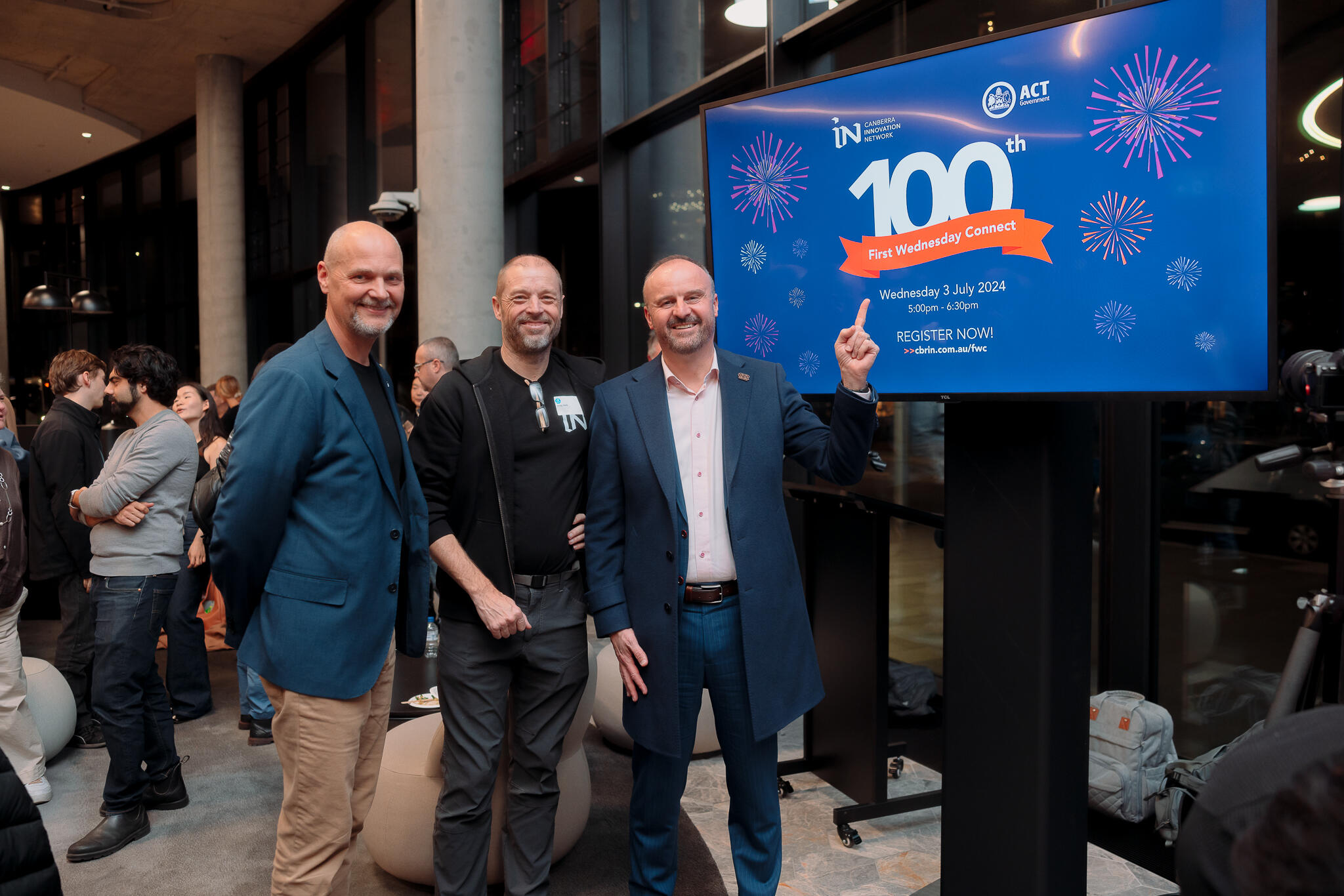
He then began helping entrepreneurs in New Zealand before helping CBRIN set up in 2014 and later becoming the CEO.
CRBIN helps entrepreneurs in Canberra bring their companies to life through a range of programs and events.
In Australia, small businesses represent 97.3% of all Australian businesses and bring in over A$500 billion to the economy annually.
After working across the globe, Adamek notes that the Australian and New Zealand market differs from others due to geographical distances from business epicentres.
However, he says globalisation has offered more avenues for entrepreneurs who are willing to think big.
“We have to think global from day one, and companies here because the markets that are local or national are not too large,” he says.
Adamek says new innovations and technology are helping Australian entrepreneurs get to where they wanna go.
While the Lawpath New Business Index found that there was an entrepreneurial boom in 2025, with the number of sole traders rising registrations rising 30% year-over-year, Adamek says there is still room for growth.
“I think what we need to be doing more of is attracting talent here,” he says.
“I think we need to raise the ambition of people here, because life, research and education here are fantastic.”
The Entrepreneurs’ Organisation found that some of the top challenges for Australian entrepreneurs include talent shortages, market uncertainty and burnout.
While the market remains uncertain, Adamek urges aspiring entrepreneurs not to be afraid as new technology has made the cost of failure much lower than it was a year ago.
“Thanks to the technology, you can come up with new solutions faster,” he says.
Adamek says finding solutions is especially important in the fast-paced world we find ourselves in today and encourages entrepreneurs to be ambitious.
“You can get product to market faster, and if you don't do it, you will be left behind,” he says.
“Everything that you do will change, that’s a given, and you are building something today that will be vastly different tomorrow