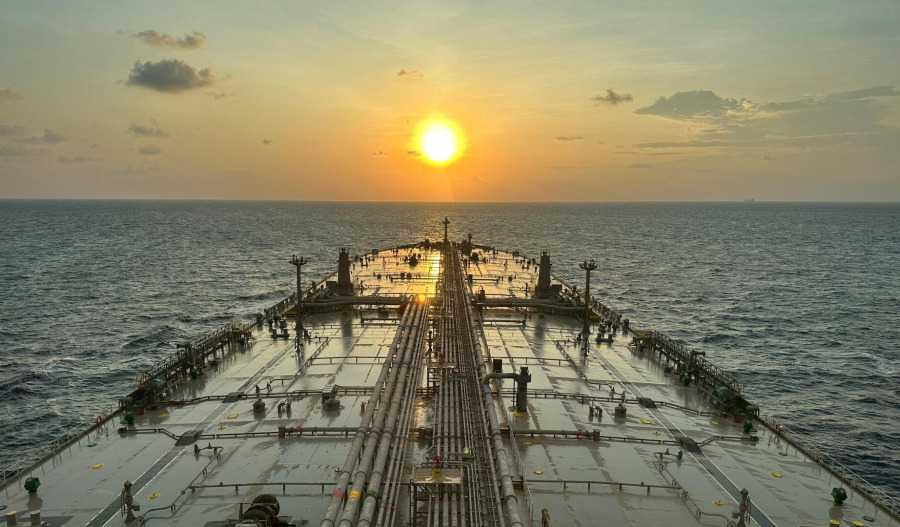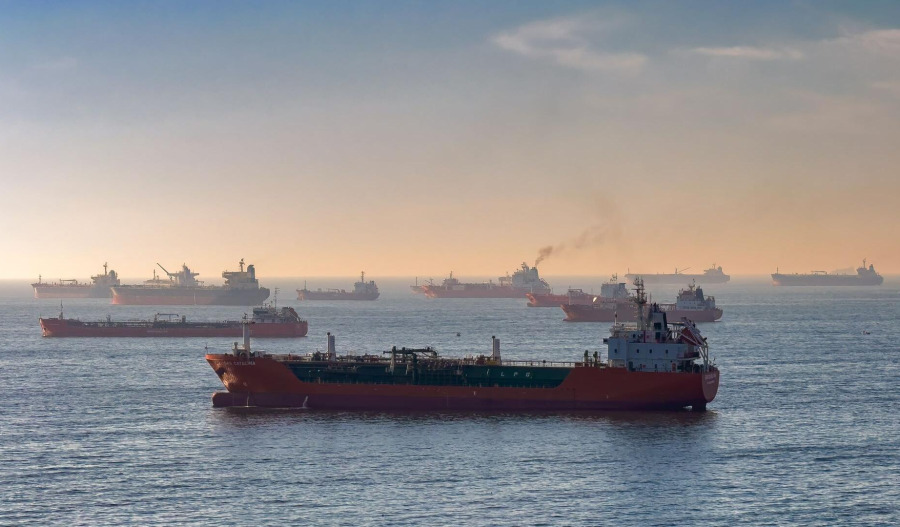

Oil prices extended their losses during Asian trade on Thursday, moving closer to pre-conflict levels as tanker traffic through the Strait of Hormuz continued to recover following an initial accord aimed at ending the United States-Israeli conflict with Iran.
By 2:45 pm AEST (4:45 am GMT), Brent crude futures for September delivery had fallen 99 cents, or 1.3%, to US$72.88 per barrel. U.S. West Texas Intermediate crude for August delivery declined 98 cents, or 1.4%, to $69.36 per barrel.
The latest decline followed a sharp sell-off in the previous session, when Brent crude dropped 4.2% and WTI settled 3.9% lower as concerns over supply disruptions eased.
The initial accord reached last week to end the U.S.-Israeli war with Iran, which began on 28 February, has allowed shipping traffic through the strategically important Strait of Hormuz to resume.
The agreement established a 60-day negotiation period aimed at addressing more complex issues, including Iran's nuclear programme.
Market participants have become increasingly confident that oil exports through the waterway will continue even if broader negotiations encounter difficulties.
Analysts at ANZ said improving diplomatic progress and increased shipping activity were helping to calm energy markets.
"Both sides have indicated early progress in talks to find a permanent peace deal to end the conflict. The increased movement of ships through the Strait of Hormuz is also providing some hope that the worst of the supply disruptions are behind us.

"According to Bloomberg ship tracking data, seven oil tankers were either in the strait or had already crossed it on Tuesday. Shippers have been utilising a supposed safer route via Omani-coordinated waters, part of a broader plan to evacuate stranded vessels.
"However, levels remain well below those seen prior to the conflict. Over 135 vessels transited the key waterway in February on a daily basis. The oil market is also continuing to rely on inventories to plug the gap from supply shortages."
Efforts to restore normal shipping operations gathered pace after Oman opened temporary routes on Wednesday to facilitate tanker departures from the Strait of Hormuz.
The International Maritime Organization and Omani authorities have been coordinating vessel movements, while Qatar's prime minister visited Oman for discussions on future management of the waterway involving Iran, Iraq and Gulf states.
Despite the easing geopolitical risk premium, fresh data highlighted tightening oil supplies in the United States.
The U.S. Energy Information Administration (EIA) reported that total crude oil inventories fell to their lowest level since 1984 last week, driven by strong refinery demand and government releases from the Strategic Petroleum Reserve.
Meanwhile, commercial crude oil inventories, excluding those held in the Strategic Petroleum Reserve, declined by 6.088 million barrels from the previous week to 412.1 million barrels.
Current stockpiles are approximately 7% below the five-year average for this time of year.
The drawdown exceeded market expectations, with analysts forecasting a decline of 4.5 million barrels.