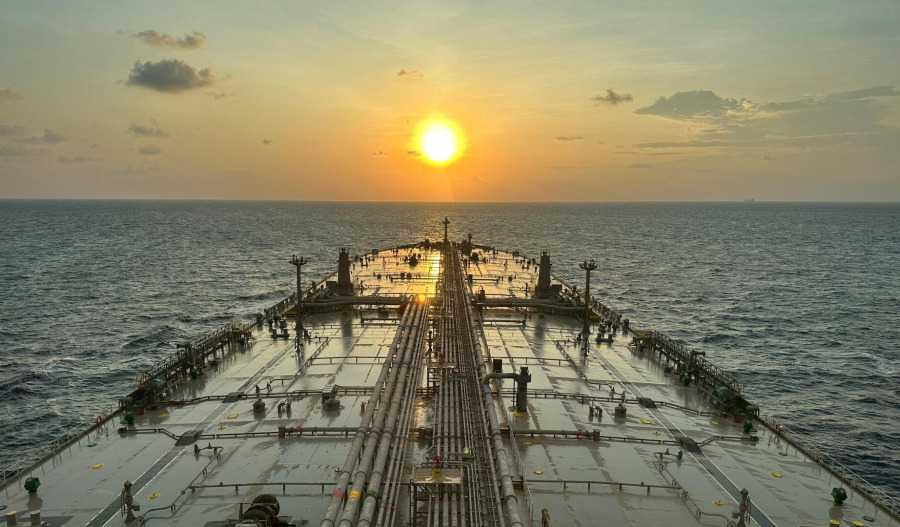
Oil shipments through the Strait of Hormuz have accelerated following an agreement between the United States and Iran to reopen the strategic waterway, with millions of barrels of crude oil now moving towards international markets after months of disruption.
According to data from trade analytics firm Kpler cited by CNBC, at least 20 oil tankers carrying around 35 million barrels of crude have exited the Strait of Hormuz since Washington and Tehran agreed to reopen the shipping lane.
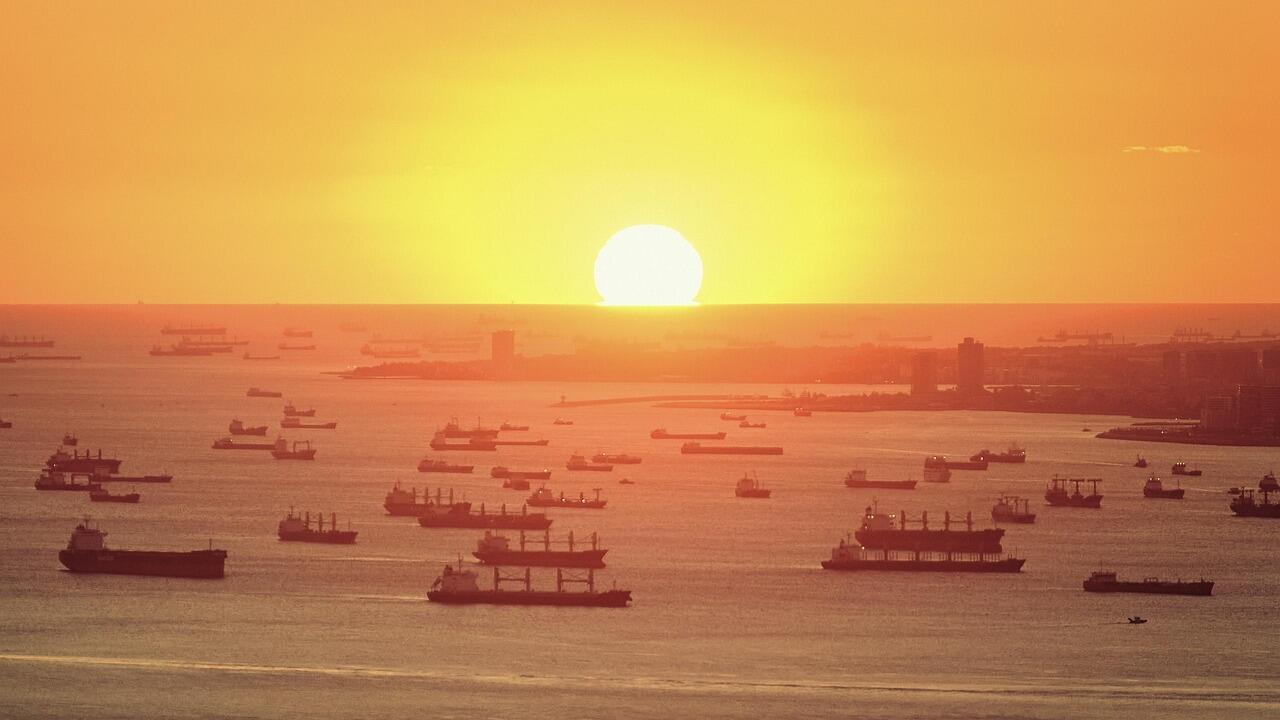
The vessels, none of which were Iranian in origin, had remained stranded in the Persian Gulf for more than three months after Iran effectively closed the strait during the conflict, according to Kpler analysts.
Most of the cargoes are destined for Asian markets and are expected to reach their final destinations by early August.
Kpler data showed confirmed oil shipments through Hormuz have increased to approximately 4.8 million barrels per day since the U.S.-Iran agreement.
June export volumes represent the strongest flow levels since the United States and Israel launched military operations against Iran on 28 February.
However, shipments remain significantly below pre-conflict levels, when roughly 15 million barrels per day transited the strait.
Iranian tankers carrying approximately 21 million barrels of oil have also exited Hormuz during June, according to the analysts.

The increase follows the U.S. Navy's decision to lift its blockade of Iran on 18 June, while the U.S. Treasury Department has temporarily waived sanctions on Iranian oil sales through August.
Kpler analysts said tankers loaded since late April have transported approximately 51 million barrels through Hormuz this month. These vessels were not Iranian and had switched off their transponders during parts of their journeys. Analysts noted that actual shipment volumes could be even higher than currently recorded.
Meanwhile, the International Maritime Organization (IMO), the United Nations agency responsible for shipping regulation, announced plans to evacuate more than 11,000 seafarers who remain stranded in the Persian Gulf.
The operation has received backing from Iran, Oman, the United States and other Gulf nations.
“We have secured the necessary safety guarantees and have thoroughly verified the conditions for safe navigation to support these operations,” IMO Secretary-General Arsenio Dominguez said in a statement.
Separately, U.S. President Donald Trump said Iran had assured him that vessels transiting the Strait of Hormuz would not face tolls, insurance surcharges or additional fees.
“Additionally, no money has been given to Iran, or released from their money to them, by the U.S. We will be releasing some of their money, that is totally controlled by us, to our Farmers and Ranchers, for the purchase of Corn, Wheat, Soybeans, and more,” Trump said in a post on Truth Social.
“Food is desperately needed in Iran, and we will be purchasing it for them exclusively from the United States,” he added.