United States Vice President JD Vance said negotiations between the U.S. and Iran have made substantial progress despite periods of tension, as both sides continue discussions aimed at reducing regional instability and addressing concerns over Tehran's nuclear programme.
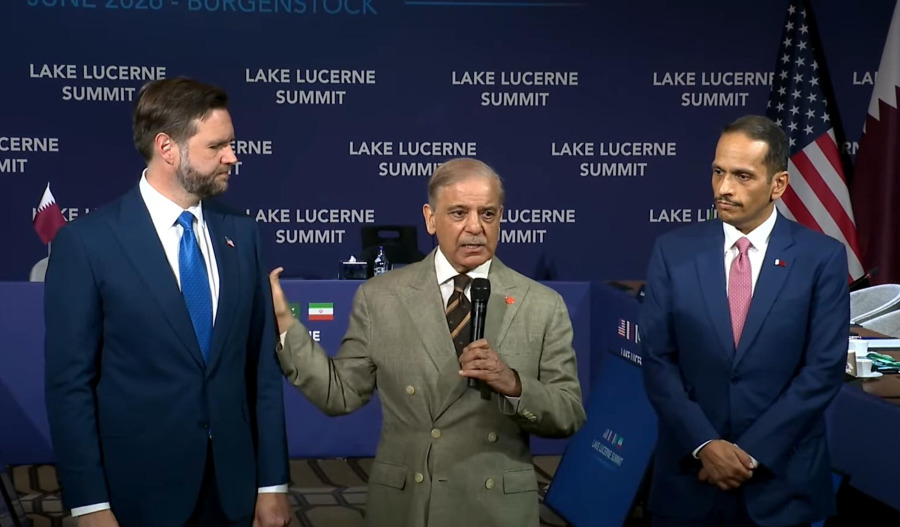
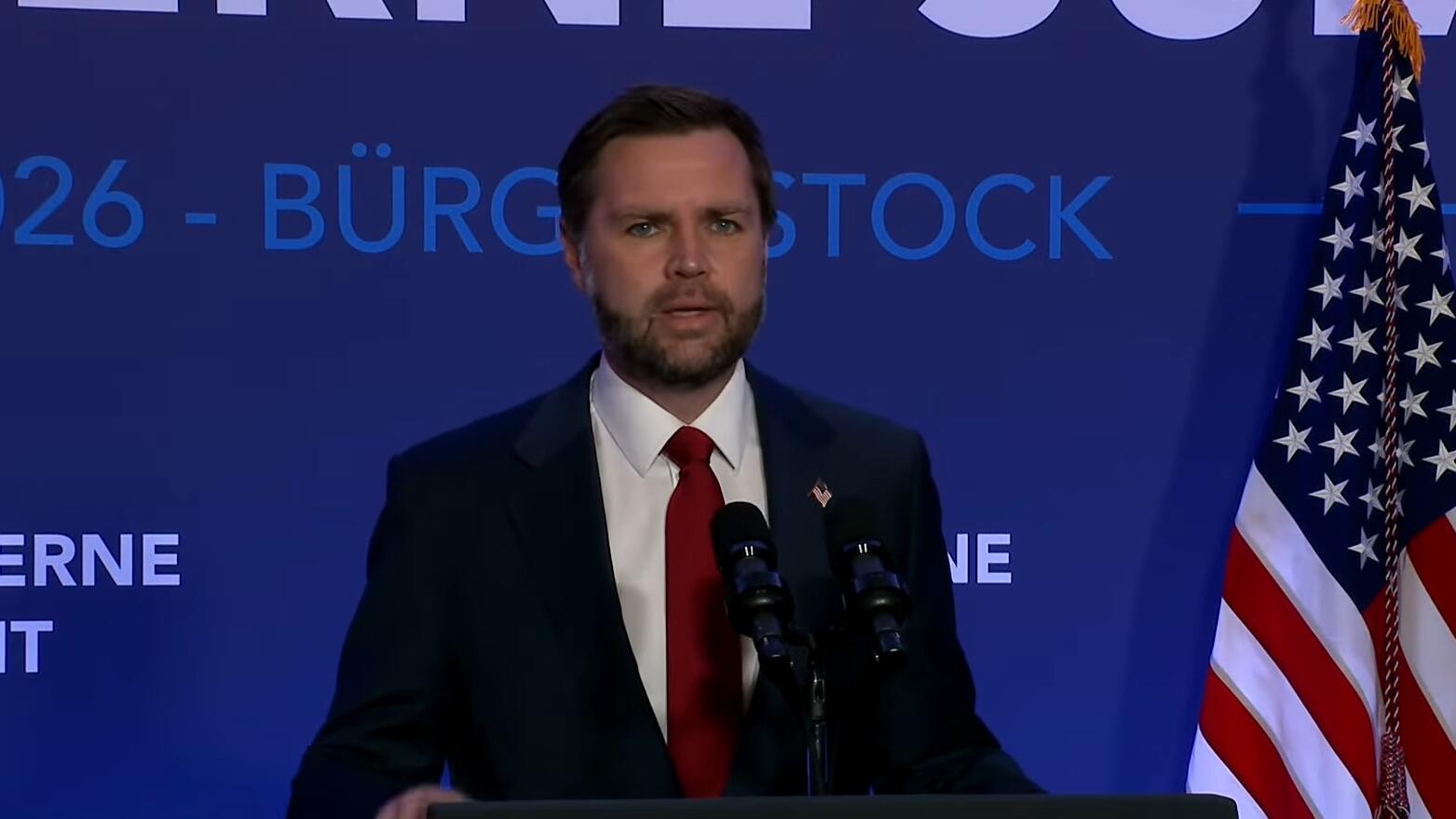
Speaking on Monday following talks in Bürgenstock, Switzerland, Vance said discussions remained on track and that Iran had agreed to allow inspectors from the International Atomic Energy Agency (IAEA) to return to the country.
The talks came under strain over the weekend after Iran announced the closure of the Strait of Hormuz in response to Israeli strikes in Lebanon, which Tehran said violated an existing ceasefire arrangement.
“Yes, there was a little bit of threatening, there was a little bit of whining, but at the end of the day, the talks continued, and we made great progress,” Vance told reporters.
Vance described Iran's decision to permit IAEA inspectors back into the country as “a major milestone for the American people, and the first step in permanently denuclearising or permanently ending a nuclear weapons program in Iran”.
He said negotiators had established mechanisms designed to prevent future escalations in the region and reduce the risk of a broader conflict.
“We want a regional ceasefire. We want Hezbollah to stop firing at our friends in Israel. We want Israelis to be able to live in peace. We also want to make sure that, when things happen, they don’t spiral into a broader escalation, and so we’ve been, I think, very good at setting up what we’re calling a deconfliction mechanism,” he added.

Earlier, Iran's Foreign Minister Abbas Araghchi also said the negotiations had achieved “major progress”.
While describing the discussions as a positive step forward, Vance cautioned that significant work remains before a final agreement can be reached.
He said a “very good foundation for a successful final deal” had been established but noted there is “still a lot to do,” particularly regarding the demining of the Strait of Hormuz to ensure normal shipping operations can resume.
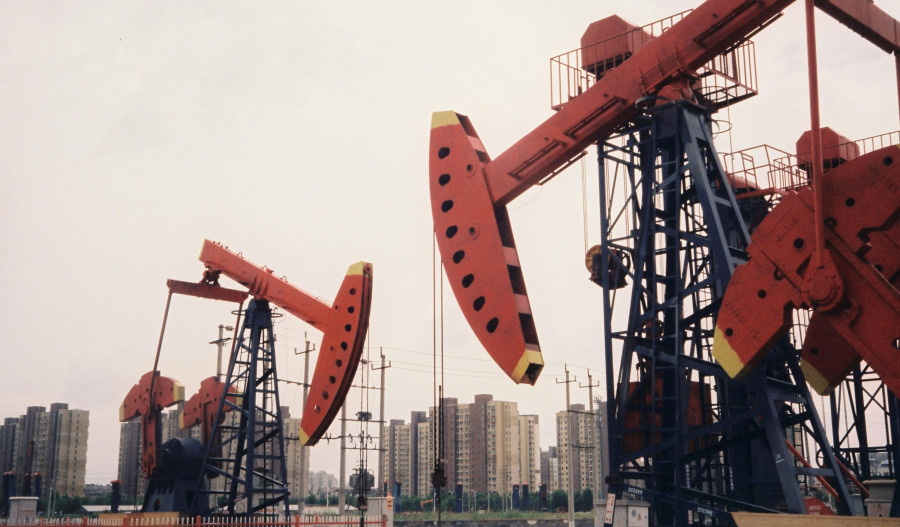
Traffic through the vital shipping corridor, which carries roughly 25% of the world's energy supplies, slowed significantly over the weekend after Tehran announced the renewed closure of the waterway, according to maritime tracking data.
Vance also highlighted the role played by Jared Kushner and Qatari officials in developing proposals relating to frozen Iranian assets.
According to Vance, Kushner had worked with Qatari counterparts on “a very interesting solution” that would give the United States approval authority over any future release of frozen Iranian funds.
“What Jared and the Qataris and the entire team here in Bürgenstock accomplished is to me a classic Trump deal, where if Iranian assets are ever unfrozen, they’re going to go to make American farmers richer and to feed the Iranian people,” Vance said.
“That’s a very, very good and very classic Trump deal. That’s great for our people, great for the people of Iran, and fundamentally, again, will contribute to this regional security architecture that we’ve built.”