Oil prices moved lower during Monday's Asian trade after United States and Iranian officials concluded their first round of talks in Switzerland, with Tehran reporting progress on oil export waivers and other economic measures that could boost global energy supplies.
By 2:40 pm AEST (4:40 am GMT), Brent crude futures had fallen US$1.25, or 1.6%, to $79.32 a barrel.
U.S. West Texas Intermediate crude for August delivery slipped 24 cents, or 0.3%, to $75.61 per barrel. There was no settlement in U.S. oil markets on Friday due to a public holiday.
The decline followed the conclusion of negotiations between senior U.S. and Iranian officials in Switzerland. The discussions began on Sunday under the terms of a memorandum of understanding reached last week, which extended a fragile ceasefire between the two countries for at least another 60 days.
Following the talks, Iranian Foreign Minister Abbas Araqchi said in a post on X that Tehran had secured waivers allowing continued oil and petrochemical exports, the release of some frozen assets and the commencement of a reconstruction and development programme for Iran.
The developments helped ease concerns that disruptions in the Middle East could lead to a significant tightening of global crude supplies.
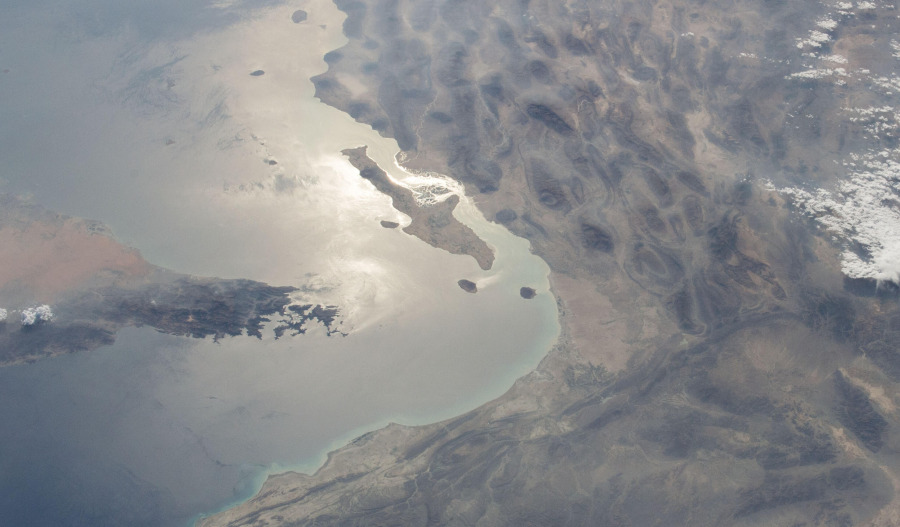
Prior to the negotiations, shipping traffic through the Strait of Hormuz had slowed sharply after Iran announced it was once again closing the strategic waterway, citing what it described as Israeli and U.S. violations of the interim peace agreement.
The Strait of Hormuz remains one of the world's most important energy chokepoints, carrying a substantial share of global oil exports.
Tensions in the region also remained elevated after Israeli strikes in Lebanon reportedly killed at least 20 people on Saturday.
The attacks came one day after a ceasefire between Israel and Hezbollah took effect in an effort to halt months of escalating violence.

ING Commodities Strategists said uncertainty remained despite progress in negotiations in The Commodities Feed.
"Recent developments show that moving towards a more permanent deal will be challenging, with very real risks of a flare-up in hostilities during the 60-day ceasefire. For energy markets, the key factor is still whether oil and LNG flows from the Persian Gulf continue to recover, despite all the rhetoric.
"The latest positioning data show that speculators significantly reduced their net long in ICE Brent over the last reporting week, amid the temporary ceasefire between the U.S. and Iran.
"Speculators sold 94,763 lots, leaving them with a net long of 114,128 lots, the smallest net long since December 2025. Interestingly, the move was dominated by fresh shorts entering the market.
"They bought 74,581 lots, leaving the gross short at 231,218 lots, the largest since December. Clearly, if U.S.-Iran talks don’t progress well, there’s a very real risk that these shorts will have to run in and cover."
DCrude prices fell more than 8% last week amid hopes that cargoes stranded in the Persian Gulf would return to market and that sanctions relief could eventually allow greater Iranian oil exports.
Meanwhile, U.S. Central Command said maritime traffic through the Strait of Hormuz had increased in recent days as American forces continued to support freedom of navigation operations in the region.
"Commercial ship traffic in the Strait of Hormuz increased June 20 as U.S. forces continued operating in the general area to support freedom of navigation.
"Safe passage through the international waterway remained intact today as 55 merchant ships transited, moving large amounts of cargo and more than 17 million barrels of oil to global markets.
“The Joint Maritime Information Center issued an advisory this week affirming safe passage for all vessels along a designated route that is free of arbitrary requirement claims or impediments.”