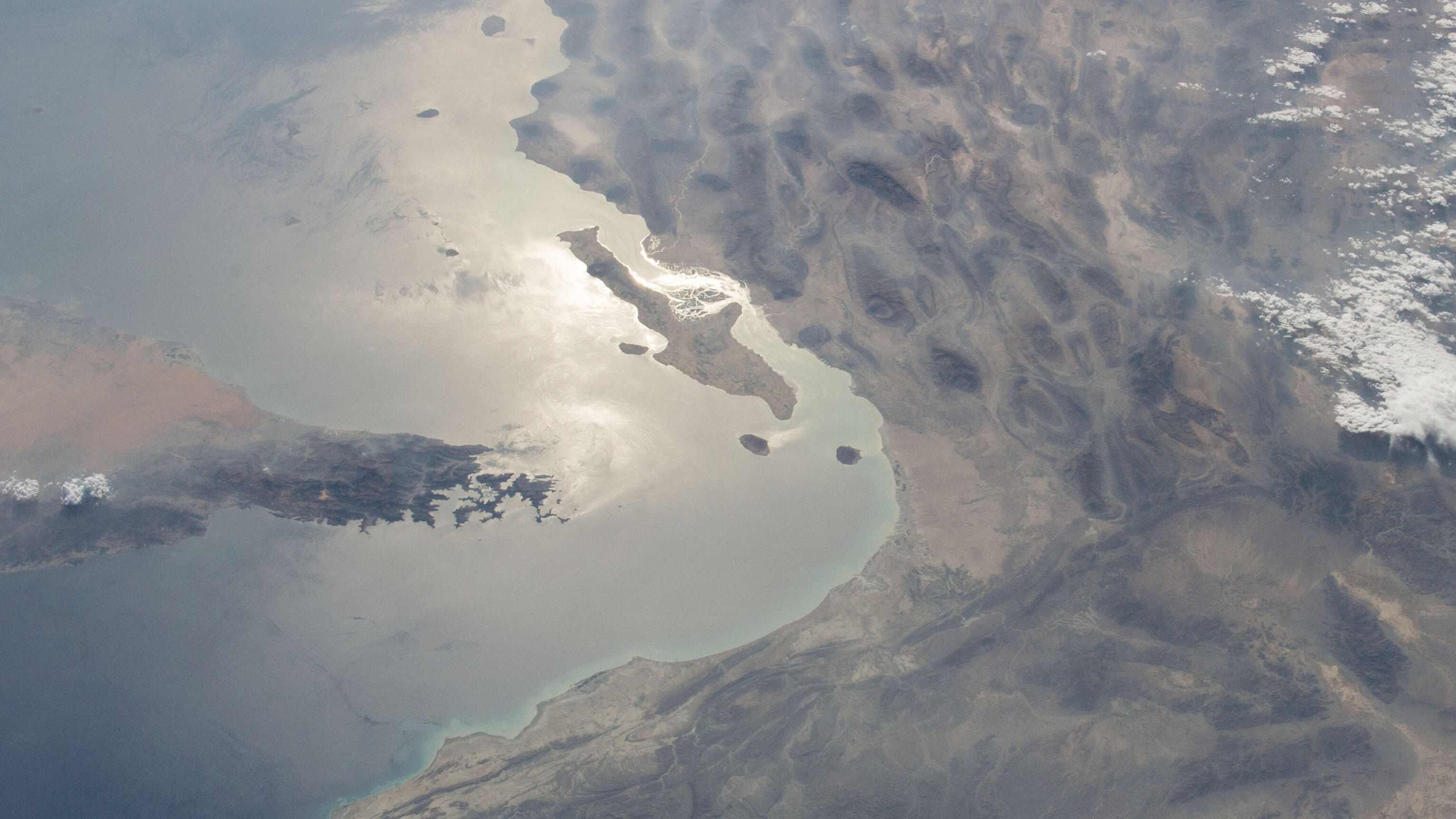
The reopening of the Strait of Hormuz gathered pace on Thursday as oil tankers and commercial vessels resumed transiting the strategic waterway following an interim agreement between the United States and Iran aimed at ending months of disruption to global energy markets.
Data from global trade intelligence firm Kpler, cited by CNBC, showed that three Saudi Arabian supertankers carrying a combined 6 million barrels of crude oil successfully crossed the Strait of Hormuz.
The vessels had switched on their tracking transponders in the Gulf of Oman after remaining hidden for more than two months during the conflict.
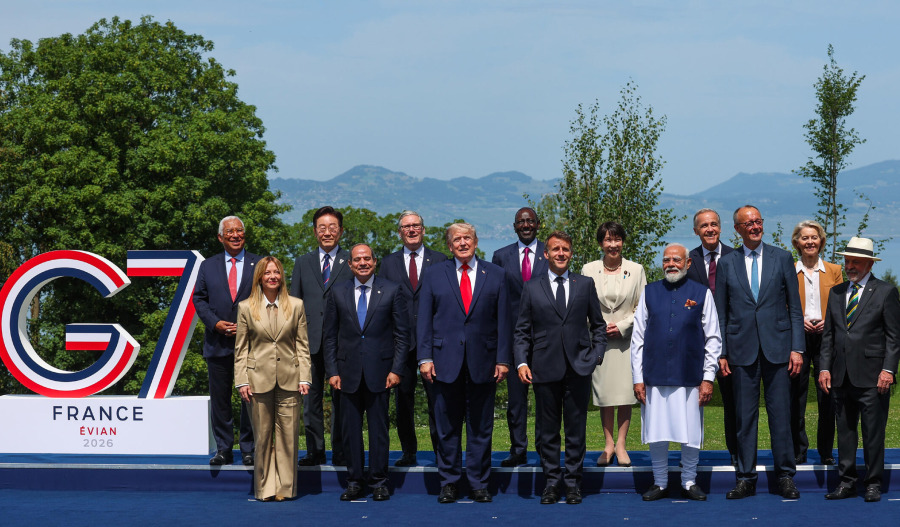
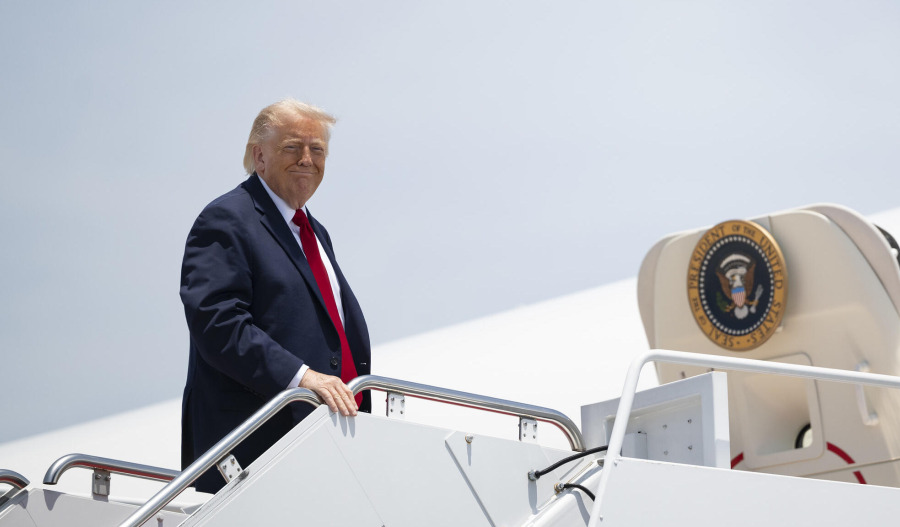
The tanker movements followed the signing of an agreement on Wednesday between U.S. President Donald Trump and Iranian President Masoud Pezeshkian, which is intended to facilitate the reopening of the key shipping route.
Speaking at a White House briefing later on Thursday, Vice President JD Vance said 12.5 million barrels of oil had passed through the Strait of Hormuz overnight.
“That is a high since the beginning of the conflict,” Vance said.
Before the outbreak of hostilities, around 14 million barrels per day of crude oil and 6 million barrels per day of refined petroleum products moved through the waterway, making it one of the world's most important energy chokepoints.
In a further sign of de-escalation, the U.S. Central Command (CENTCOM) formally ended its blockade of Iranian ports and coastal waters.
“American forces are not impeding the transit of vessels to or from Iranian ports,” U.S. Central Command said in a statement posted on X.
“All U.S. military blockade enforcement efforts have ceased.”
The move followed the signing of a memorandum of understanding between Washington and Tehran that seeks to end the conflict and restore commercial shipping activity.
Under the agreement, Iran has committed to allowing commercial vessels to transit the Strait of Hormuz without paying tolls for a period of 60 days while broader negotiations continue.
Maritime traffic has already begun returning to the region. According CBS News, citing maritime intelligence provider Lloyd's List Intelligence, major shipowners have resumed using the strait after avoiding the route for more than three months.

Richard Meade, editor-in-chief of Lloyd's List, said vessels owned by major international shipping groups had started transiting the passage for the first time in 110 days after effectively being stranded by the conflict.
The Strait of Hormuz carries approximately 20% of the world's oil and natural gas supplies, and its closure had triggered a severe disruption to global energy markets.
Lloyd's List reported that vessels operated by Grimaldi Group, Cosco, Knutsen and NYK had already navigated through the strait.
Two sanctioned crude oil tankers owned by the National Iranian Tanker Company had also entered the waterway.
While shipping activity resumed, political debate over the agreement intensified in Washington.
President Trump criticised opponents of the deal on Truth Social, dismissing claims that his administration had not taken a sufficiently hard stance against Iran.
“These fools, who think I haven't been tough enough on Iran, when the Stock Market Just Hit A RECORD HIGH, and Oil prices are 'tumbling' down, are either jealous, bad people, or stupid,” Trump wrote.
Oil prices have declined sharply since the agreement was first announced, reflecting investor expectations that the reopening of Hormuz will ease supply concerns and restore normal energy flows.
The memorandum signed by the two countries provides for the immediate reopening of the waterway but leaves negotiations over Iran's nuclear programme and the potential removal of Western sanctions to a second phase of talks scheduled over the next 60 days.
Vice President Vance also sought to address criticism from some Republicans who argued the agreement offered excessive concessions to Tehran.
“The United States isn’t giving up a cent of money to Iran,” Vance said.
His comments came amid scrutiny of provisions in the 14-point memorandum that reportedly include sanctions relief, access to frozen Iranian assets and a proposed US$300 billion reconstruction programme.
Vance argued that any economic benefits available to Iran would be conditional on full compliance with the terms of the agreement.
“The only way the Iranians get any of these resources ... is if they comply fully” with the deal, he said.