Details of a framework agreement between the United States and Iran began to emerge on Tuesday, with United States President Donald Trump saying the deal would prevent Tehran from obtaining a nuclear weapon, while a U.S. official said it would allow Iran to resume oil exports immediately upon signing.
The memorandum of understanding, signed this week but not yet publicly released, extends a fragile ceasefire first announced in April by a further 60 days, providing time for negotiations aimed at securing a permanent peace agreement.
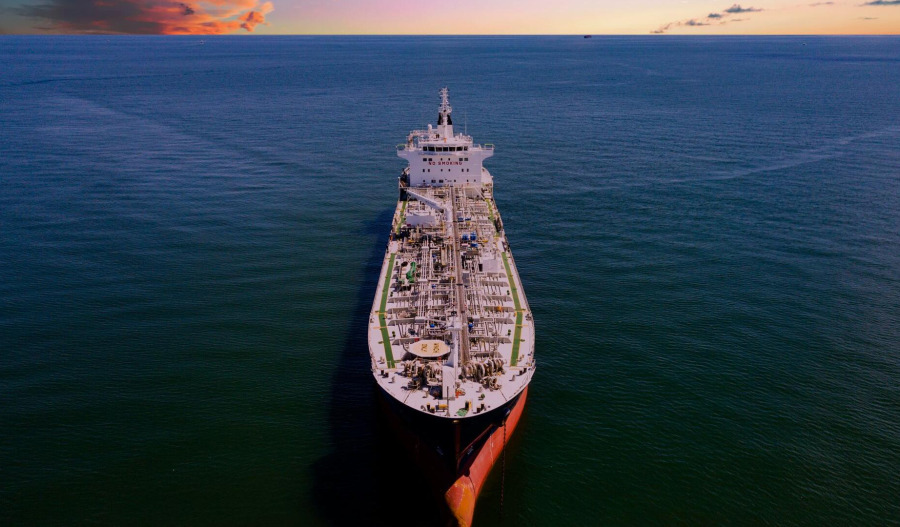
Under the terms outlined so far, the United States will lift its blockade of Iranian ports, while Tehran will restore the movement of oil tankers and commercial shipping through the Strait of Hormuz, which Iran has effectively blocked since the United States and Israel launched military strikes on 28 February.
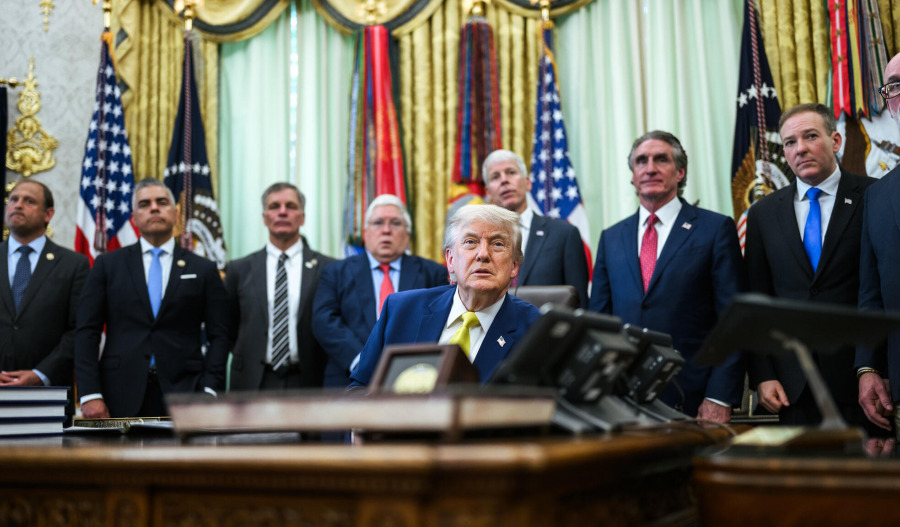
Trump said the agreement clearly states that Iran will not possess a nuclear weapon and indicated that the full text would be released publicly within days during a formal announcement.
Iran has consistently maintained that its nuclear programme is intended solely for peaceful purposes and that it has no intention of developing nuclear weapons.
While the agreement marks a significant diplomatic step, questions remain about whether it fulfils the objectives Trump outlined when authorising military action against Iran. Iran's clerical leadership remains in power, its ballistic missile programme has not been dismantled, and Tehran continues to support regional groups opposed to Israel, including Hezbollah.
The accord is also exposing Trump to criticism from some members of his own Republican Party ahead of November's midterm elections, particularly over the administration's handling of the conflict and the lack of congressional involvement.
Iranian leaders, meanwhile, face domestic pressure to deliver economic relief following a costly war that has further strained the country's economy.
Israel has not directly participated in the negotiations and has distanced itself from both the April ceasefire and the latest U.S.-Iran agreement, creating uncertainty about the durability of the arrangement.

U.S. Vice President JD Vance said the agreement included provisions involving both Israel and Lebanon, appearing to contradict Israeli Prime Minister Benjamin Netanyahu, who stated on Monday that Israel is not bound by the agreement and does not intend to withdraw from southern Lebanon.
A Hezbollah spokesperson told Reuters that the group believes Iran would be unlikely to agree to a permanent settlement if Israeli forces remain in occupied Lebanese territory.
Iran's military command, Khatam al-Anbiya Central Headquarters, also warned that Israel should expect a strong response if military operations in southern Lebanon continue.
A senior U.S. official said the agreement permits Iran to immediately begin selling oil and fuel internationally and includes banking, transportation and insurance arrangements designed to facilitate those exports.
Officials from both countries have said the framework could eventually unlock significant economic benefits for Iran through sanctions relief and the release of frozen foreign assets.
A source with direct knowledge of the negotiations told Reuters that the agreement also outlines a US$300 billion (A$424.6 billion) private investment fund intended to support economic development in Iran, with more than half of the proposed capital already committed.
Speaking ahead of a bilateral meeting in France with United Arab Emirates President Mohammed bin Zayed Al Nahyan, Trump said he would be open to sending the memorandum of understanding to Congress for review after some Republican lawmakers complained they had not been fully briefed on the agreement.
The president did not provide a timeline for when lawmakers would receive the details.
The framework agreement was announced and signed digitally on Sunday and could ultimately bring an end to hostilities between the United States and Iran that began in February, although a permanent settlement remains subject to further negotiations.