The United States and Iran have agreed to a peace deal aimed at ending their nearly four-month conflict, according to announcements from both Pakistan and U.S. President Donald Trump.
Pakistan Prime Minister Shehbaz Sharif said on Sunday that the two sides had agreed to immediately and permanently cease military operations across all fronts, including in Lebanon, following weeks of negotiations in which Pakistan played a mediating role.
“Following intensive talks, we are pleased to announce that the Peace Deal between the United States of America and Islamic Republic of Iran has been REACHED,” Sharif said in a post on X.
“The official signing ceremony will be on Friday, 19 June in Switzerland,” Sharif said.
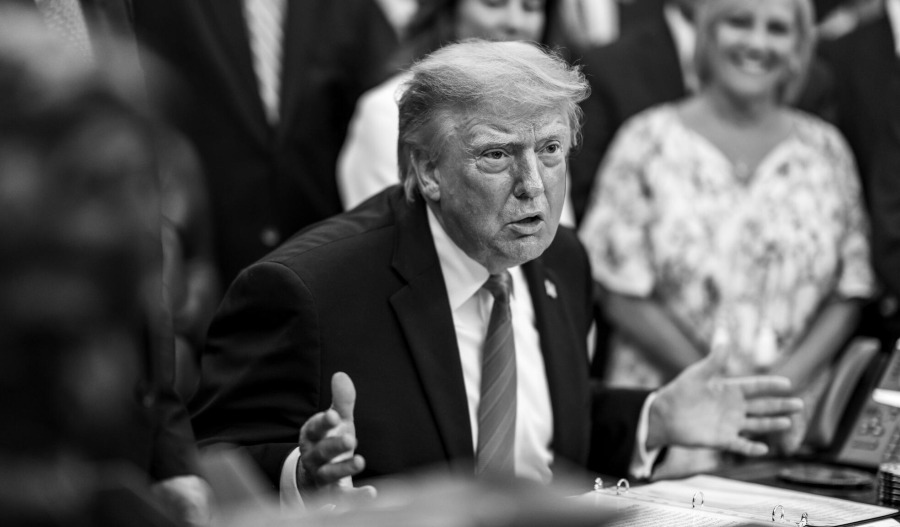
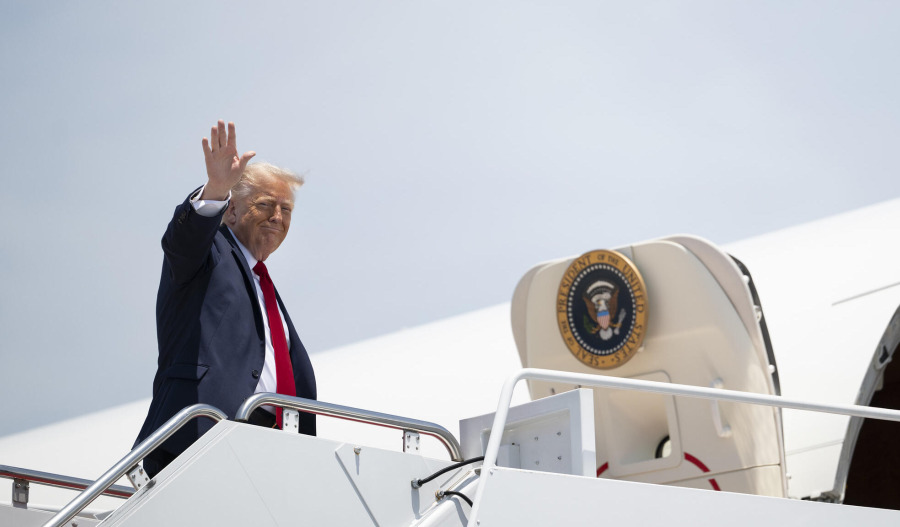
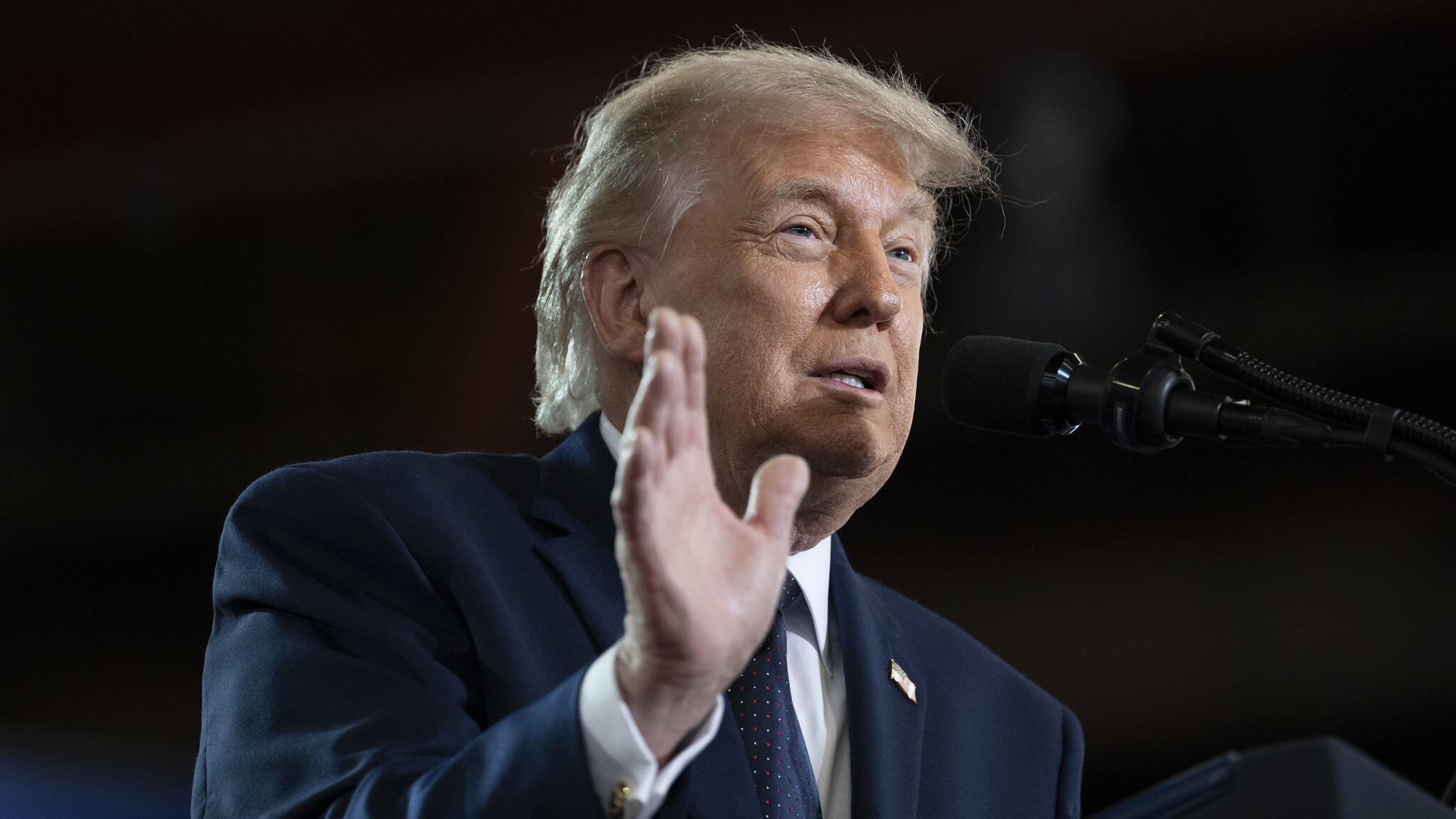
Shortly after Sharif's announcement, President Trump confirmed that an agreement had been reached between Washington and Tehran.
“The deal with the Islamic Republic of Iran is now complete.”
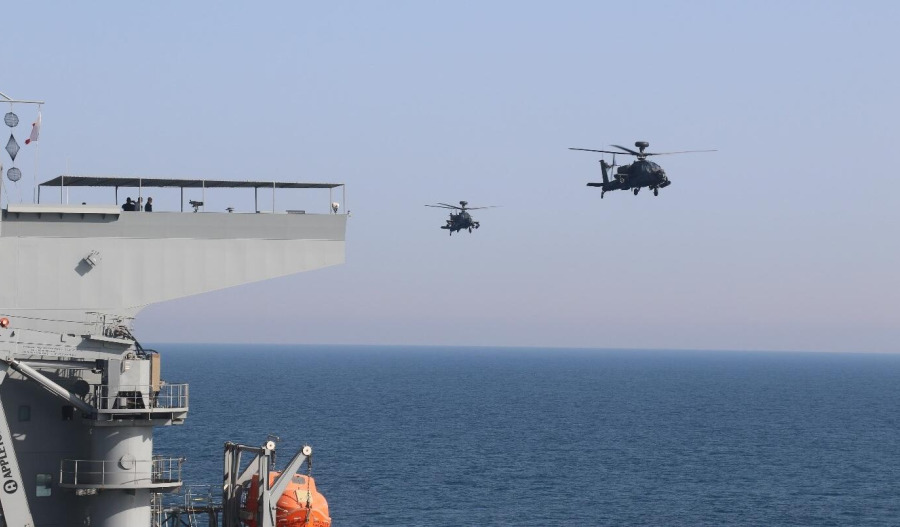
“I hereby fully authorise the toll free opening of the Strait of Hormuz, and, simultaneously herewith, authorize the immediate removal of the United States Naval blockade,” Trump wrote on Truth Social.
The agreement follows months of conflict and diplomatic manoeuvring between the two countries.
On Friday, Iranian state media reported that negotiators had prepared a 14-page draft memorandum outlining the framework for a peace settlement.
According to the report, the proposal included the removal of U.S. oil sanctions and a commitment by Iran to reopen the Strait of Hormuz within 30 days.

The waterway, one of the world's most important energy shipping routes, has effectively remained closed since the conflict began in late February.
The closure disrupted global supply chains and constrained shipments of oil, natural gas and fertilisers, contributing to higher commodity prices and renewed concerns about inflationary pressures worldwide.
The conflict's economic impact has been increasingly visible in major economies. In the United States, annual consumer inflation accelerated to 4.2% in May, reaching its highest level in three years and adding to concerns among policymakers and consumers about rising living costs.
Despite progress toward a formal settlement, tensions briefly threatened to derail the agreement earlier on Sunday after Israel and the Iran-backed Hezbollah exchanged attacks in Lebanon.
Israeli strikes in Beirut drew criticism from Trump, who urged restraint and warned both Iran and Hezbollah against further retaliation.
Market participants are expected to closely monitor developments ahead of the formal signing ceremony in Switzerland, particularly for indications regarding the timing of sanctions relief and the restoration of shipping through the Strait of Hormuz.
U.S. Vice President JD Vance welcomed the agreement, highlighting its potential benefits for American consumers through lower energy costs in an interview with Fox News shortly after the deal was announced.
“I know that they suffer from high gas prices, the President has certainly been very concerned about that fact,” Vance said.
“What we’re going to be able to do is drive down the cost of energy, not just now but for the long term, and create a real engine of prosperity in the Middle East, where Americans benefit from those lower energy prices.”
The peace agreement is expected to ease pressure on global energy markets, restore a critical trade route and reduce one of the most significant geopolitical risks facing investors and policymakers in 2026.