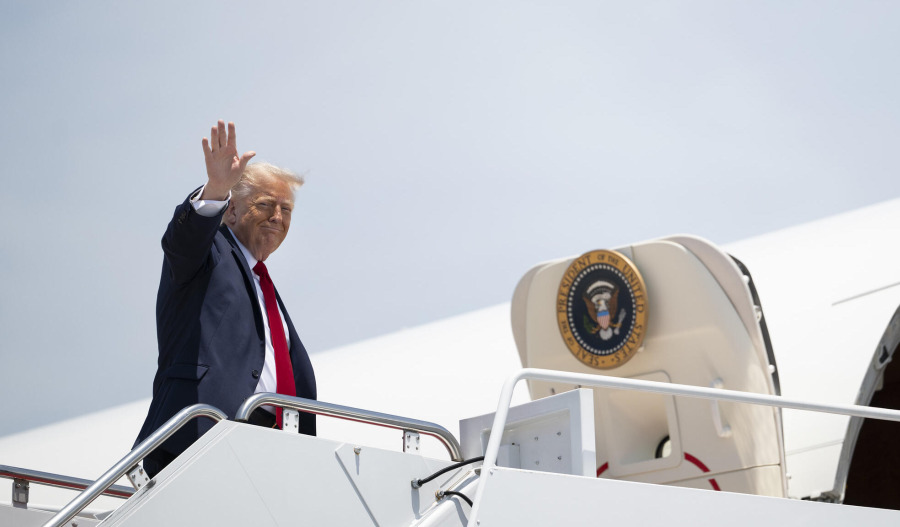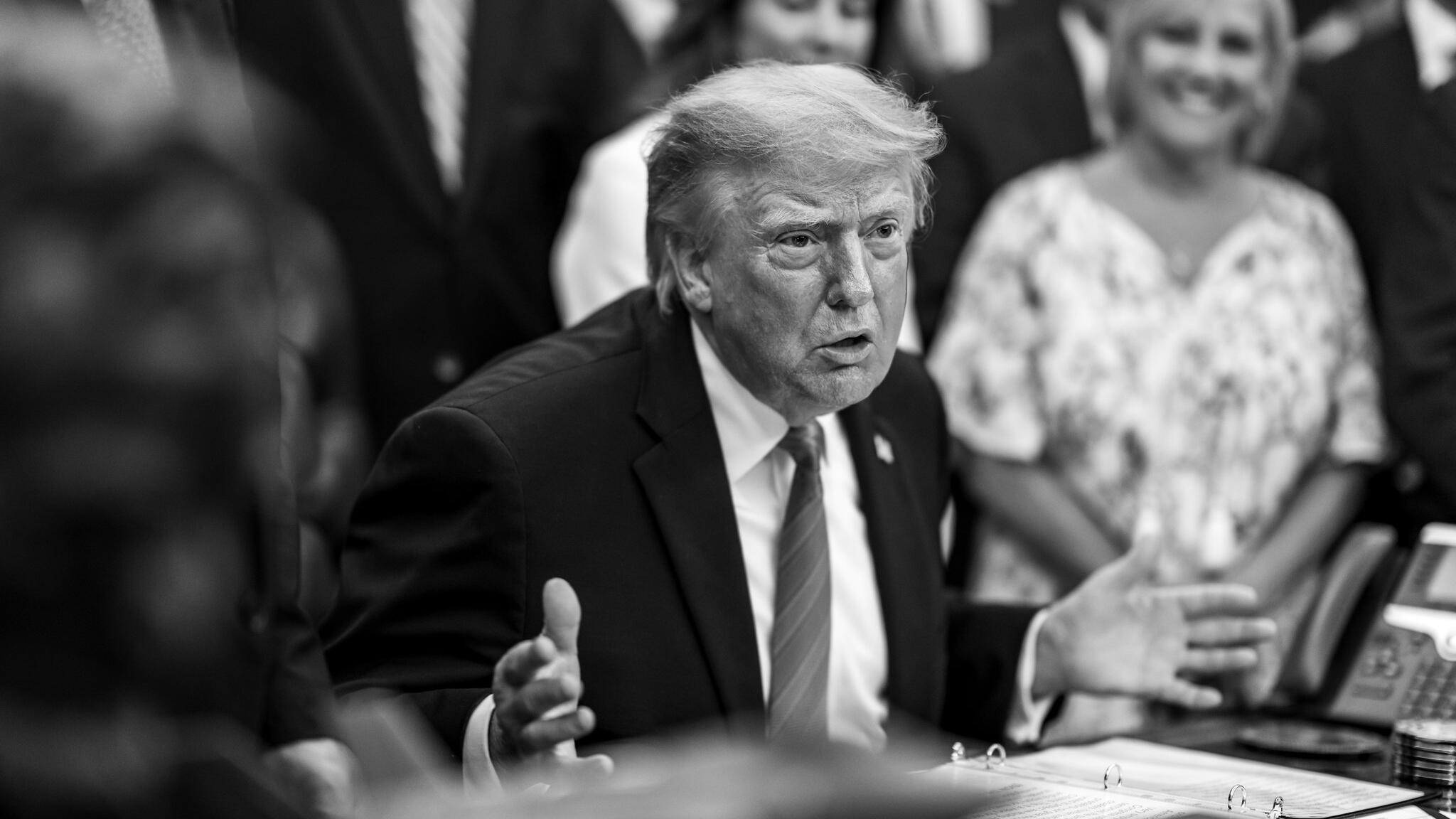
United States President Donald Trump said on Thursday that the United States had reached a settlement to end its war with Iran, subject to the completion of final documentation, and suggested a formal signing could occur within days.
According to CNBC, speaking in the Oval Office, Trump said the U.S. had “just made a great settlement of the war with Iran”, adding that it remained subject to the “finalisation of documents”.
Trump said he expected a signing to take place “over the next few days”, repeating claims he has made several times during the conflict.
He also said the Strait of Hormuz, a critical global oil shipping route that has become a major flashpoint during the war, would reopen once an agreement was signed.
Earlier in the day, Trump announced that he had cancelled a planned round of U.S. military strikes against Iran, claiming negotiations with Tehran “have been brought to the highest level of Iranian leadership and approved”.
However, Iranian state-affiliated media quickly challenged that assertion.
State media outlet Fars reported on Telegram that Tehran had not approved any text relating to an initial memorandum of understanding with Washington.
In a subsequent post, the outlet described Trump's announcement as a tactical retreat from military threats after failing to secure changes to a draft agreement that Iran had previously proposed.
Reuters reported, citing Iranian media, that Foreign Ministry spokesperson Esmaeil Baghaei said that significant portions of the negotiating text had been completed, but that Tehran would not compromise on its core demands.
"Iran has not yet reached a final conclusion on an agreement," he said.
Trump said he had discussed the potential memorandum or understanding with Israeli Prime Minister Benjamin Netanyahu and other regional leaders.

Netanyahu's office later confirmed the conversation, stating in a post on X that while Israel was not directly involved in the negotiations with Iran, the Israeli leader welcomed Trump's “commitment that the final agreement at the conclusion of negotiations will include the removal of enriched material, the dismantling of enrichment infrastructure, limits on missile production, and the cessation of Iran's support for its terrorist proxies in the region".
The president's announcement marked a sharp shift from his earlier rhetoric. Just hours before cancelling the strikes, Trump had warned that the United States would attack Iran “very hard tonight” and suggested Washington would assume control of key Iranian oil infrastructure, including Kharg Island.
In a subsequent Truth Social post announcing the cancellation, Trump wrote that “Discussions and final points have been, in both concept and great detail, approved by all parties involved”, including Israel and nine other regional powers.
Iran and Lebanon, however, were not included among the parties he listed.
Despite Trump's confidence, uncertainty remains over whether a formal agreement exists for the two sides to approve. The president has repeatedly stated in recent months that a peace deal with Iran was imminent, though no settlement has yet emerged.
Trump also said the U.S. naval blockade of Iranian ports in the Gulf of Oman would “remain in full force and effect until this Transaction is finalised”.
Financial markets reacted positively to the prospect of a diplomatic breakthrough. U.S. stock indexes rose sharply following Trump's announcement, while oil prices fell as traders anticipated reduced risks to energy supplies moving through the Strait of Hormuz.
The latest claims came at a time when the conflict appeared to be intensifying once again, threatening an already fragile ceasefire.
Earlier on Thursday, Trump wrote on Truth Social: “The United States will be hitting Iran (Whose Navy, Air Force, Radar, Anti Aircraft, and all other forms of Defense, together with most of its offensive capability, are GONE!), VERY HARD TONIGHT.”
“At some point in the not too distant future, we will be taking Kharg Island, and other oil infrastructure points, and assume total control of their Oil and Gas Markets,” he wrote.
Those threats followed two days of U.S. military action. The confrontation escalated after Trump accused Iran of shooting down a U.S. Army helicopter patrolling over the Strait of Hormuz on Monday evening.
The United States launched retaliatory strikes on Tuesday, prompting a military response from Iran, before carrying out additional missile strikes on Wednesday.