
Oil prices climbed during Asian deals on Wednesday, recovering from a seven-week low reached in the previous session, as renewed tensions between the United States and Iran and tightening crude inventories supported the market.
By 3 pm AEST (5 am GMT), Brent crude futures were up 53 cents, or 0.6%, at $91.98 per barrel, while U.S. West Texas Intermediate crude futures gained 56 cents, or 0.6%, to $88.75 per barrel.
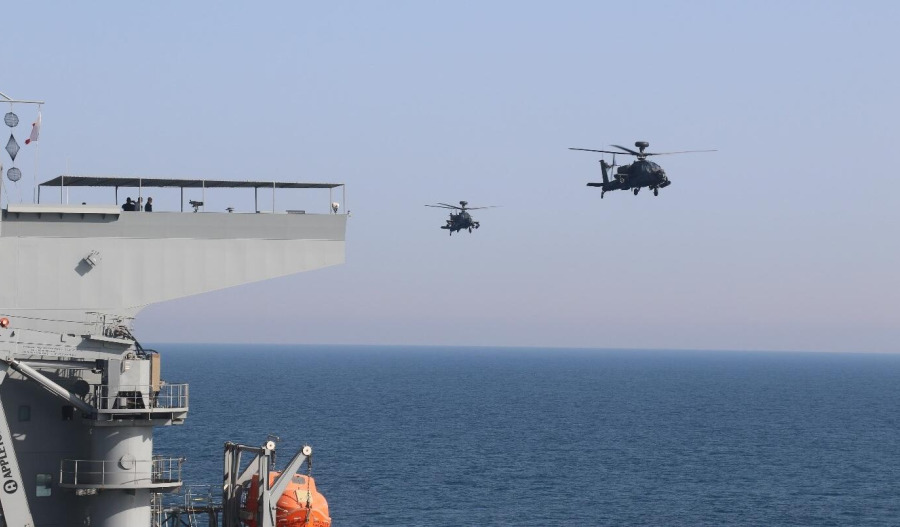
The gains followed fresh military action by the United States against Iran after President Donald Trump vowed to respond to the downing of a U.S. Apache attack helicopter.
The strikes marked another escalation in regional tensions and raised concerns that a fragile ceasefire between Washington and Tehran could collapse.
Analysts at ING said the latest developments highlighted the ongoing instability in the region.
"Clearly, developments overnight show that the situation remains highly volatile. The U.S. resumed strikes on Iran following the downing of one of its helicopters in the region; Iran responded by saying that its forces 'will leave no attack or threat unanswered.'"
"This once again demonstrates the difficulty Iran and the U.S. face in working towards a sustainable ceasefire that allows for the free flow of vessels through the Strait of Hormuz."
Iran has also warned it could resume broader hostilities if Israel continues military operations against Hezbollah in Lebanon.

Israel's campaign against the Iran-backed group has complicated efforts by the Trump administration to expand the existing ceasefire framework into a lasting regional settlement.
ING analysts added, "With no imminent deal in sight and with the global oil market tightening significantly every day, we see upside to prices, particularly if these disruptions linger into the third quarter, a period of seasonally stronger oil demand."
The Strait of Hormuz remains a key focus for energy markets. The waterway normally handles around one-fifth of global crude oil and liquefied natural gas shipments.
Tehran has continued to restrict much of the shipping traffic through the strait, while Washington has maintained restrictions on Iranian ports.
U.S. Energy Secretary Chris Wright said on Tuesday that shipping traffic in the Gulf and oil exports through the Strait of Hormuz were increasing despite ongoing difficulties in negotiations aimed at ending the conflict.
Supply fundamentals also lent support to prices.
According to data from the American Petroleum Institute, U.S. crude oil inventories fell for an eighth consecutive week.
Crude stockpiles declined by 9.12 million barrels in the week ended 5 June, well above an expected draw of 3.4 million barrels.