
Oil prices extended losses during Tuesday's Asian trade as investors assessed the potential resumption of supply through the Strait of Hormuz while awaiting further details on a preliminary agreement aimed at ending the conflict involving Iran.
By 3:20 pm AEST (5:20 am GMT), Brent crude futures were down 40 cents, or 0.5%, at US$82.77 a barrel, while U.S. West Texas Intermediate crude fell 19 cents, or 0.2%, to US$80.56 a barrel.
The declines followed sharp losses in the previous session, when Brent and WTI settled down 4.8% and 4.9%, respectively.
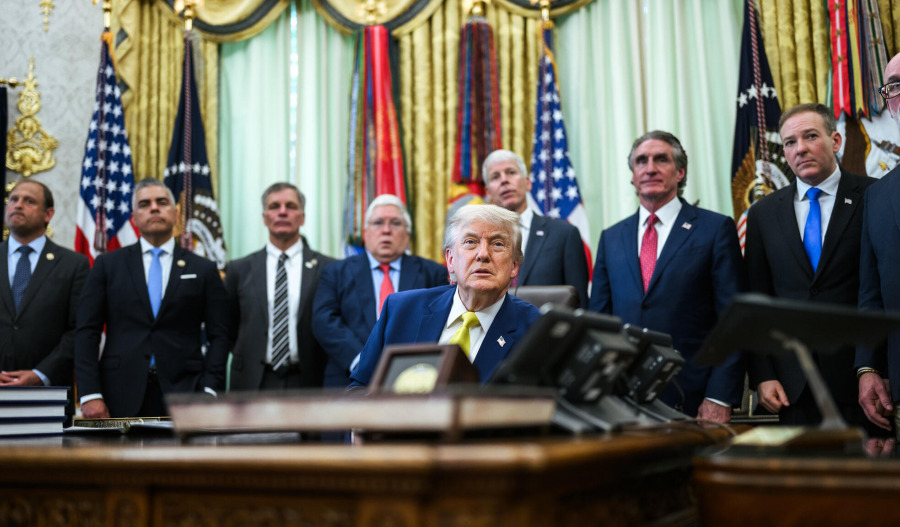
Markets reacted to comments from U.S. President Donald Trump, who said a memorandum of understanding had been signed to end the U.S.-Israeli war with Iran, although the full details of the agreement have yet to be released.
The prospect of restored oil flows through the Strait of Hormuz, a critical shipping route for global energy supplies, has eased concerns over potential disruptions that had previously supported prices.
Early indications suggest the agreement would reopen the blockaded waterway and extend a ceasefire for 60 days, providing negotiators with time to address more contentious issues, including the future of Iran's nuclear programme.

Despite the prospect of increased supply, traders remain cautious given the absence of detailed information and the lack of a permanent peace settlement.
ANZ analysts commented in a note to clients:
“This is an important juncture in the Middle East conflict. However, any recovery of oil supplies will likely take months. Shipping companies will need assurances that the key waterway is free of mines before they resume transits on a large scale. Any skirmishes will only magnify their concerns.
"In the meantime, the market is likely to continue to rely on inventories to buffer the supply shortages. Global crude and product inventories are steadily drawing, with releases from the U.S. Strategic Petroleum Reserve still elevated and oil-on-water stocks declining.
"Inventory projections indicate that ongoing disruption could push stocks toward their effective lower bounds, reinforcing the tightening trend across regions.”
On Monday, Iranian President Masoud Pezeshkian described the agreement as an "important step" toward ending the conflict but warned that a comprehensive and lasting settlement had not yet been achieved.
The uncertainty surrounding the final terms of any agreement has helped limit the extent of oil's decline despite expectations of improved supply conditions.