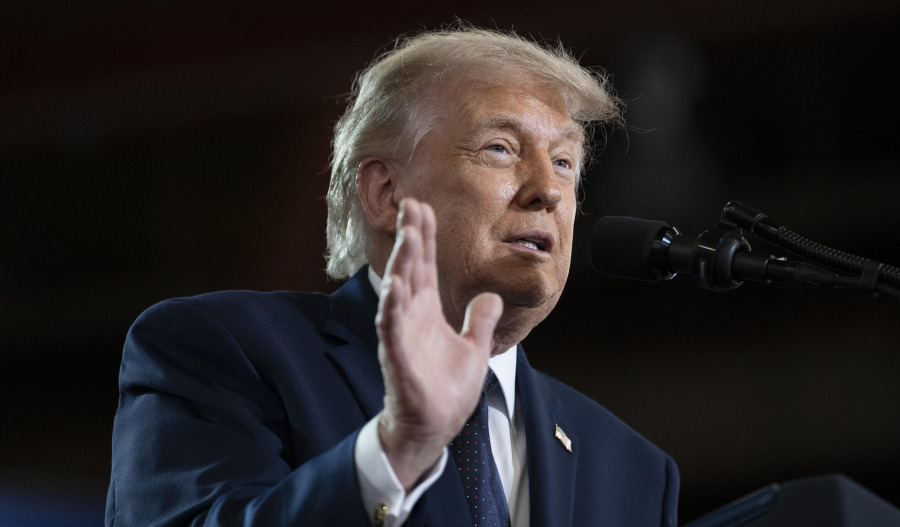
Oil prices fell to their lowest levels since March during Monday's Asian deals after United States President Donald Trump and Iran's deputy foreign minister said an initial agreement had been reached to end the conflict between the two countries and restore shipping through the Strait of Hormuz.
By 3:10 pm AEST (5:10 am GMT), Brent crude futures had fallen $4.07, or 4.7%, to $83.26 a barrel, while U.S. West Texas Intermediate crude dropped $4.31, or 5.1%, to $80.57 per barrel.
Both benchmarks touched their lowest levels since 10 March after already declining more than 3% on Friday as expectations grew that a diplomatic resolution was within reach.
The breakthrough followed announcements that the United States and Iran would sign a memorandum of understanding in Switzerland on Friday.
Pakistan Prime Minister Shehbaz Sharif, whose country has acted as a mediator during negotiations, confirmed the planned signing.
Trump also said on Sunday that the Strait of Hormuz would reopen on a "toll free" basis and that the United States would end its naval blockade of Iranian ports, raising hopes that a key global energy artery could soon return to normal operations.
Analysts at ANZ said shipping activity remained cautious despite the prospect of a reopening.
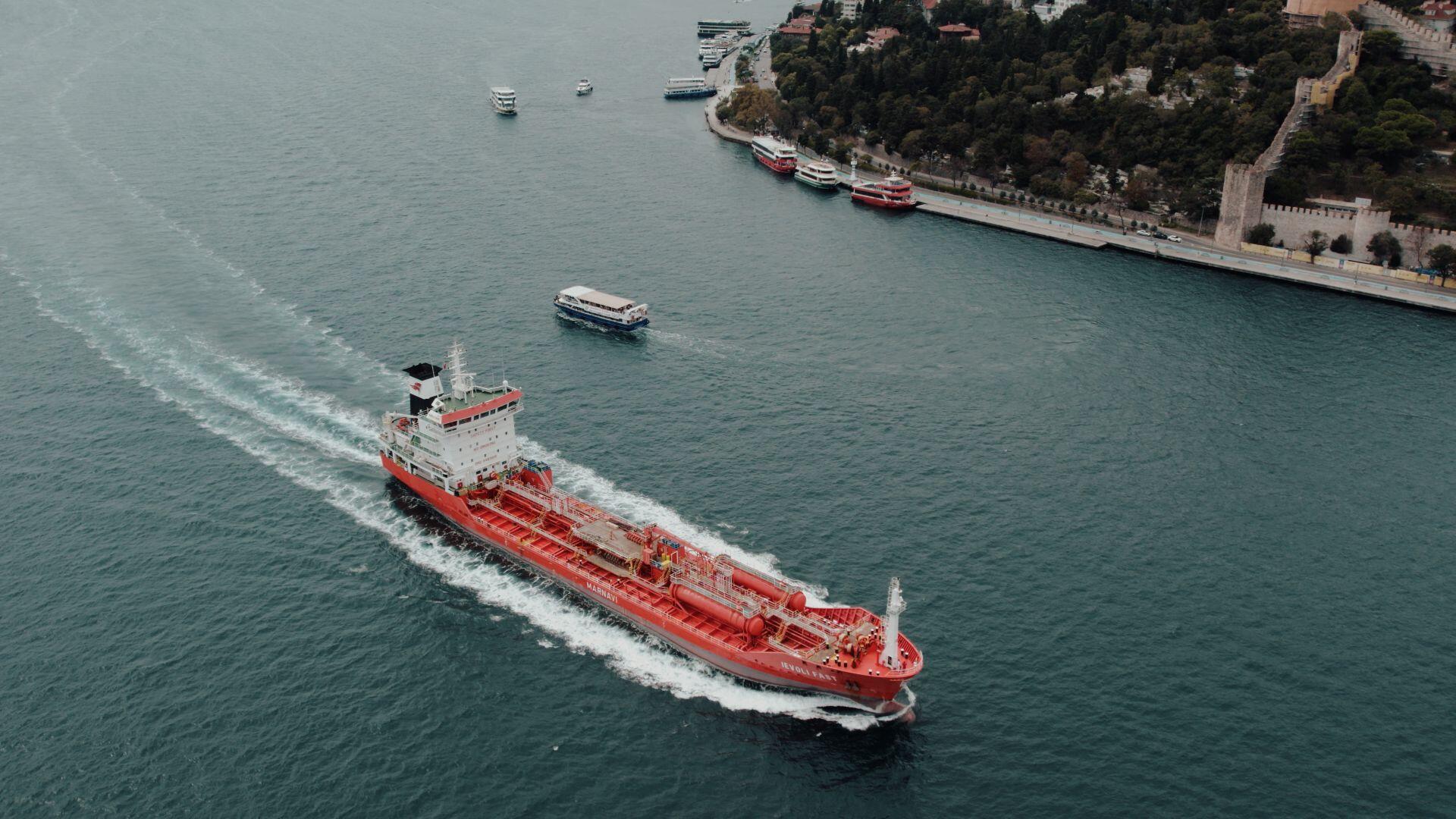
"About 127 oil tankers are currently inside the Persian Gulf, according to Signal Maritime data. Dozens of ships are positioned near the Strait of Hormuz ready to move if traffic resumes.

"Nevertheless, the oil market wouldn’t see any relief on production in the region until empty ships return. Shipowners are watching peace talk developments closely but remain cautious.
"Several indicated they would likely take a wait-and-see approach, according to media reports. The uncertain backdrop has also stalled the recent rebound in U.S. drilling activity. The US rig count fell by one to 562 in the week ending 12 June.
"Global stockpiles are also heading towards uncomfortable levels, according to Chevron’s CEO Mike Wirth."
The conflict has removed millions of barrels per day of oil and gas supply from global markets since the Strait of Hormuz was effectively closed more than three months ago.
The waterway is one of the world's most important energy chokepoints, handling roughly a fifth of global oil and liquefied natural gas shipments.
Market participants are now focused on how quickly producers across the Middle East can restore output and export capacity following war-related disruptions, as well as whether shipping companies will be willing to rapidly redeploy vessels into the region.
Iran's deputy foreign minister, Kazem Gharibabadi, said negotiators would seek to reach a broader and more comprehensive agreement during a 60-day ceasefire period.
Diplomatic momentum also received support from Europe. The E4 nations - the United Kingdom, France, Germany and Italy - said on Sunday they were prepared to lift sanctions on Iran in exchange for further progress on Tehran's nuclear programme.