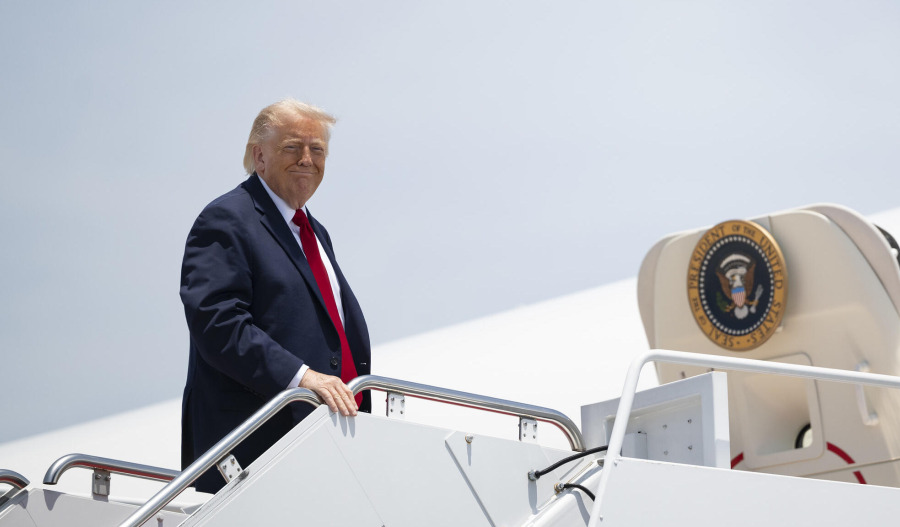
United States President Donald Trump threatened renewed military action against Iran on Sunday as Vice President JD Vance met senior Iranian officials in Switzerland for the first talks held under a fragile interim peace agreement reached last week.
The discussions took place at the Swiss resort of Bürgenstock and marked the first formal meeting since the two countries agreed to a memorandum of understanding designed to end their conflict and extend a ceasefire for at least another 60 days.
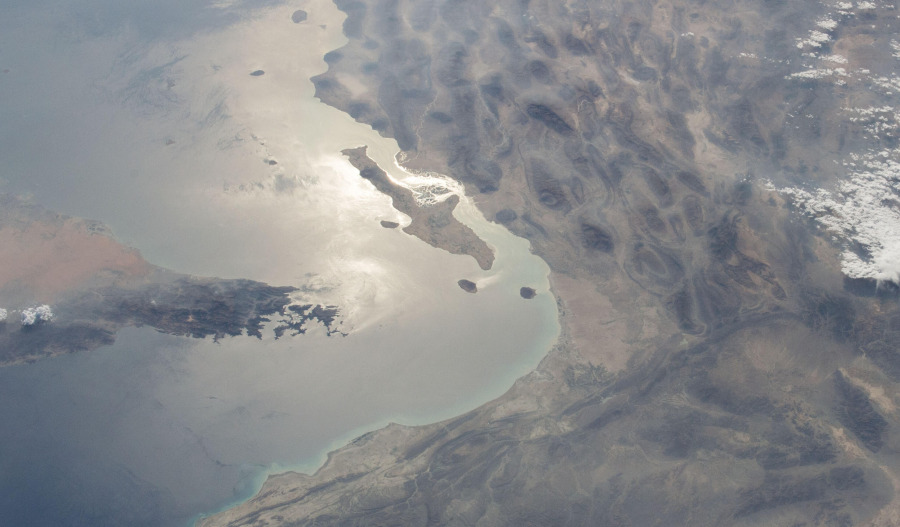
The agreement included provisions to reopen the Strait of Hormuz, a critical shipping route for global energy supplies, and to halt hostilities across the region, including in Lebanon.
However, the talks were overshadowed by Iran's announcement that it had once again closed the strategic waterway and would not discuss substantive issues such as its nuclear programme during the meeting.
"Iran must immediately stop their highly paid PROXIES in Lebanon from causing trouble," Trump wrote on Truth Social. "If they don't, we'll hit Iran very hard again, just like we did last week, only harder!!!"
Despite Trump's rhetoric, Vance struck a more conciliatory tone during the talks, which were attended by Qatari mediators.
He suggested progress had been made towards reducing tensions in Lebanon and improving relations between Washington and Tehran.
"These things are always a little bit messy," Vance said.
He added that Trump had "asked us to turn over a new leaf to transform our relationship with the people of Iran."
The meeting produced no joint photo opportunity. Before Vance's remarks, Iranian Foreign Minister Abbas Araqchi briefly entered the room and embraced Pakistani Prime Minister Shehbaz Sharif, who was acting as a mediator. Araqchi did not publicly interact with Vance.

The Strait of Hormuz remained at the centre of tensions. Iran said on Saturday it had again halted maritime traffic through the passage, citing what it described as the United States' failure to ensure an end to fighting in Lebanon.
Although U.S. officials disputed claims that the strait had been closed, shipping data indicated an immediate disruption.
Only one small tanker was reported to have crossed the waterway with active tracking transponders following Iran's announcement, compared with dozens in previous days.
The closure, which followed nearly four months of disruption to global energy markets, came over the weekend while financial markets were closed, delaying any immediate impact on oil prices until Monday trading.
Trump said he had agreed to last week's memorandum of understanding to prevent a global economic downturn driven by surging oil prices resulting from disruptions in the Strait of Hormuz.
Oil prices had fallen significantly over the past week, reaching their lowest levels since the conflict began on 28 February with U.S.-Israeli attacks on Iran.
Meanwhile, tensions remained elevated in Lebanon despite a ceasefire that took effect on Friday between Israel and Iran-backed Hezbollah.
Israeli Defence Minister Israel Katz said Israeli troops retained freedom of action to eliminate threats in southern Lebanon and would continue operating within what Israel described as a security zone.
A day after the ceasefire took effect, Israeli strikes reportedly killed at least 20 people in Lebanon.
Israel said the attacks were launched in response to projectiles fired at Israeli troops by Hezbollah. An Israeli official described the targets as Hezbollah positions.
A Hezbollah official told Reuters that the group remained committed to the ceasefire provided Israel adhered to its obligations.