The United States and Iran reported significant progress in talks held in Switzerland on Monday, agreeing to a roadmap aimed at securing a final agreement within 60 days and establishing new mechanisms to oversee negotiations and reduce tensions across the region.
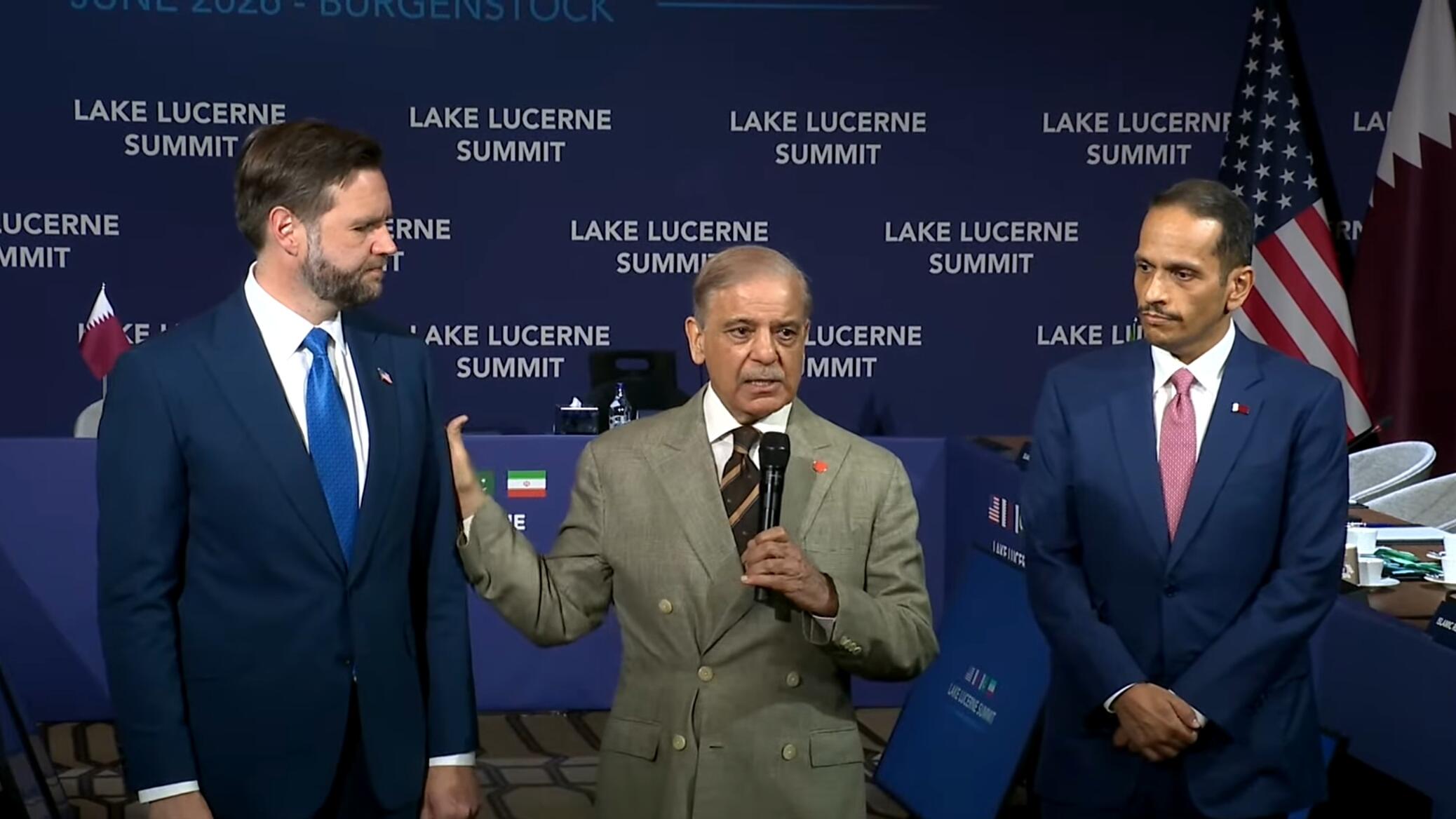
The discussions, held at the Bürgenstock resort overlooking Lake Lucerne, marked the first round of talks under a memorandum of understanding reached last week between Washington and Tehran.
In a joint statement issued after the meeting, mediators said both sides had agreed to establish a high-level committee to provide political oversight and guide negotiations toward a comprehensive agreement.
“The Lake Lucerne Summit was conducted in a positive and constructive atmosphere. Encouraging progress has been made including the creation of a mechanism for further technical talks.
"Building on the MoU, the parties have agreed to the establishment of a High Level Committee, which will provide political oversight on the mediation. Chief negotiators will report regularly to the High Level Committee and lead working groups focused on nuclear, sanctions, and a monitoring and dispute resolution group to ensure the effective implementation of the MoU, and on other matters.
"The High Level Committee has agreed upon a roadmap towards reaching a final deal within 60 days, laying the foundation for the immediate commencement of further technical talks.
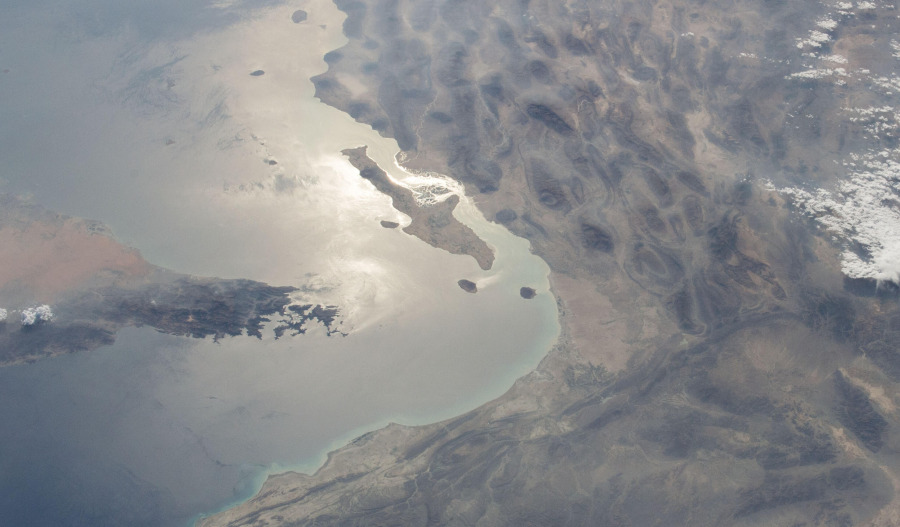
"In addition, a communication line between the parties has been formed for the period mentioned in paragraph 5 of the MoU to avoid incidents and miscommunication with the aim of safe passage for commercial vessels through the Strait of Hormuz.

"Moreover, the parties agreed on the creation of a de-confliction cell, between the parties, the Lebanese Republic and facilitated by the Mediators, to ensure the adherence of the termination of military operations in Lebanon as per the MoU. Technical talks will continue for the remainder of the week at the Burgenstock resort on all issues."
Iranian Foreign Minister Abbas Araghchi said in a post on X that the negotiations as having achieved "major progress", saying Tehran had secured measures including waivers for oil and petrochemical exports, the lifting of restrictions on its ports, the release of some frozen assets and the commencement of a reconstruction and development programme.
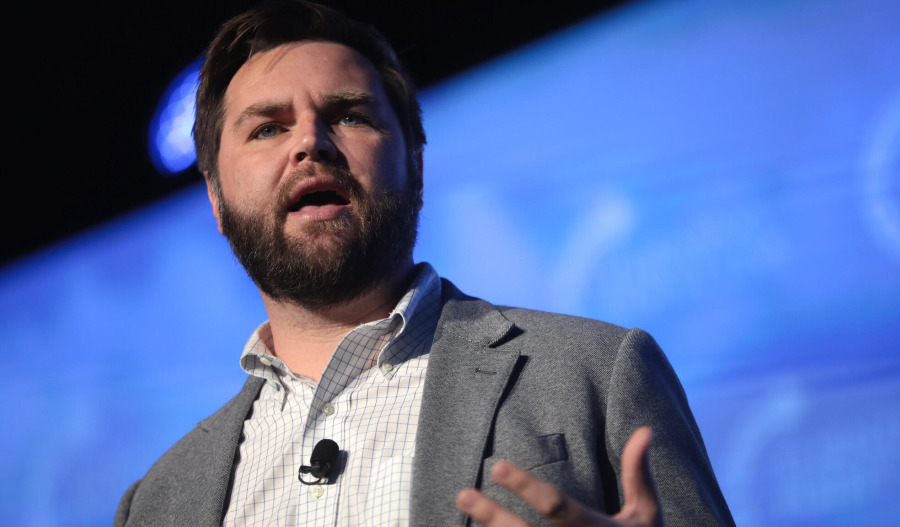
The U.S. delegation was led by Vice President JD Vance, who arrived in Switzerland on Sunday after postponing his planned departure from Washington due to logistical issues.
A senior U.S. diplomat involved in the talks told reporters that both sides remained committed to continuing discussions and dismissed reports suggesting Iran had withdrawn from the negotiations.
“We’ve had robust discussions on all elements of the nuclear deal. We plan to continue working through each of these issues and using today’s work as a starting point for ongoing technical talks going forward,” the U.S. official said.
“Topics of discussion have included clarifying some of the confusing messaging from Iran on the Strait and building deconfliction mechanisms to ensure the Strait will remain fully open. We have also worked through deconfliction mechanisms and enforcing the ceasefire in southern Lebanon,” the official said.
Under the memorandum of understanding, both countries agreed to keep the Strait of Hormuz open toll-free for at least 60 days and to work toward ending all hostilities in the region, including violence in Lebanon involving Israel and the Iran-backed Hezbollah movement.