Oil prices extended declines for the third consecutive session during Wednesday's Asian deals, hovering near four-month lows as signs emerged that crude exports through the Strait of Hormuz were gradually recovering following disruptions caused by conflict in the Middle East.
By 2:55 pm AEST (4:55 am GMT), Brent crude futures were down 54 cents, or 0.7%, at US$76.54 a barrel, while U.S. West Texas Intermediate crude fell 54 cents, or 0.7%, to $72.67 a barrel.
Both benchmarks had already declined 1.1% and 0.9% respectively on Tuesday, touching their lowest levels since early March as traders became increasingly confident that oil flows from the Persian Gulf would continue to improve.
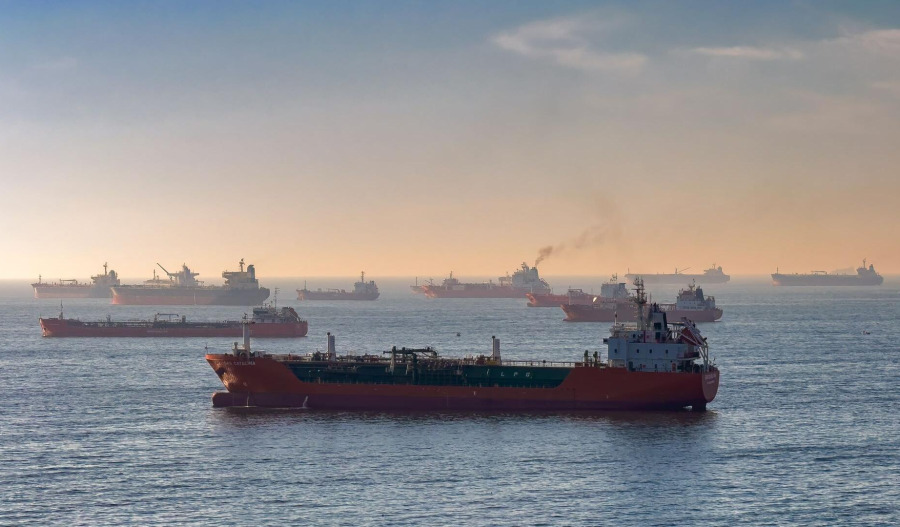
Market sentiment was buoyed by evidence that more vessels stranded in the Gulf were beginning to transit through the Strait of Hormuz, one of the world's most important oil shipping routes.
ING commodity strategists said in The Commodities Feed:
"Positive signals from the Persian Gulf are fuelling optimism about oil flows through the Strait of Hormuz. Vessel crossings increased in recent days, although they remain well below pre-war levels.
"Estimates suggest that roughly 6-7m b/d of oil moved through the strait in recent days, which is still far below pre-war flows of around 20m b/d.
"However, with pipeline diversions for Saudi Arabia and the UAE, we only need to see oil flows through the strait return to around 14m b/d for oil supply from the Persian Gulf to return to pre-war levels.
"We continue to believe that the oil sell-off is overdone, with the market still tightening. Clearly, price movements suggest the market expects a fairly rapid recovery in Persian Gulf oil supplies."

Oil prices have been weighed down by Washington's decision to grant Tehran a 60-day sanctions waiver following initial peace talks between the United States and Iran.
The exemption allows Iran to increase crude sales during the negotiation period, raising expectations that additional barrels could return to global markets.
Diplomatic efforts surrounding the future administration of shipping through the Strait of Hormuz also remained in focus.
On Tuesday, Oman and Iran agreed to continue discussions over navigation arrangements in the strategic waterway.
Meanwhile, U.S. Secretary of State Marco Rubio warned that any attempt by Iran to impose transit fees on vessels using the route would violate international law.
Despite recent progress, uncertainty remains over the durability of the agreement between Washington and Tehran.
U.S. President Donald Trump said on Tuesday that Iran had agreed to nuclear inspections into "infinity", while Iranian officials disputed the claim, saying no such commitment had been made during negotiations.
Investors continue to monitor how quickly Middle Eastern producers can restore exports and whether additional tankers will re-enter the region.
Ship-tracking data cited by Reuters showed that three supertankers that had previously been stranded successfully passed through the Strait of Hormuz on Tuesday, providing another indication that shipping conditions are improving.
Meanwhile, supply data from the United States offered some support to prices. The American Petroleum Institute (API) reported that U.S. crude inventories fell by 765,000 barrels in the week ended 19 June.