Oil prices edged lower during Asian deals on Tuesday, extending losses from the previous session as investors looked for clearer signs that crude flows through the Strait of Hormuz were returning to normal following progress in peace negotiations between the United States and Iran.
By 2:50 pm AEST (4:50 am GMT), Brent crude futures were down 24 cents, or 0.3%, at US$77.66 a barrel, while U.S. West Texas Intermediate crude slipped 13 cents, or 0.2%, to US$73.73 a barrel.
The declines followed a sharp sell-off on Monday, when oil prices fell more than 3% amid optimism that diplomatic progress could ease supply concerns in the Middle East.
ING commodity strategists noted in The Commodities Feed:
“Looking ahead, the key uncertainty remains how quickly oil flows through the Strait of Hormuz can normalise. Obviously, this depends on how quickly upstream oil production in the Persian Gulf can return.
"While the consensus is that this normalisation will take months rather than weeks, price action in the oil market suggests a more rapid recovery. Clearly, the evolution of U.S.-Iran talks will be crucial to how quickly energy flows resume.
"As we've seen in recent days, the ceasefire remains fragile. There’s a very real risk of a further flare-up in tensions.”

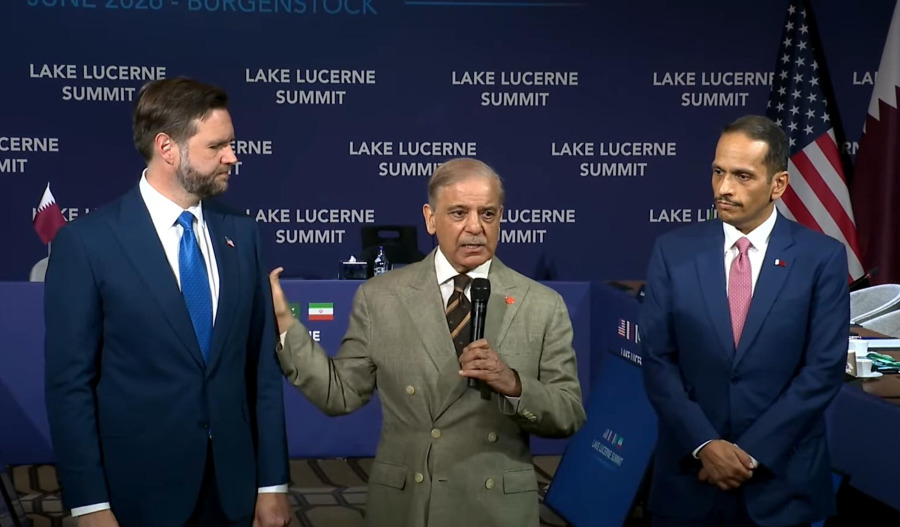
Oil markets came under pressure after the United States granted Iran a 60-day sanctions waiver following the initial round of peace talks.
Reports of a reduction in hostilities in Lebanon under the broader agreement also contributed to the weaker price action.
Signs of improving shipping activity further weighed on prices. According to Reuters, citing ship-tracking data, two crude oil tankers carrying just under two million barrels of oil successfully passed through the Strait of Hormuz on Monday, indicating traffic was beginning to recover after reduced movements over the weekend.
The easing in prices followed a volatile weekend that briefly threatened the stability of the week-old agreement.
Concerns intensified after U.S. President Donald Trump warned that military action could resume if Iran interfered with shipping through the Strait of Hormuz after Tehran announced the closure of the key maritime route.
Investors remain focused on whether the ceasefire can hold and how quickly oil production and transportation networks across the Persian Gulf can return to normal operating conditions.
Meanwhile, fresh U.S. government data highlighted the impact of recent geopolitical tensions on energy supplies. Strategic Petroleum Reserve holdings fell to 331.2 million barrels last week, the lowest level since June 1983, as inventories tightened in the aftermath of the U.S.-Iran conflict.