The United States has announced a significant easing of sanctions on Iran's energy sector, allowing dollar-denominated trade in Iranian oil for the first time in more than four decades as Washington and Tehran continue negotiations aimed at securing a permanent peace agreement.
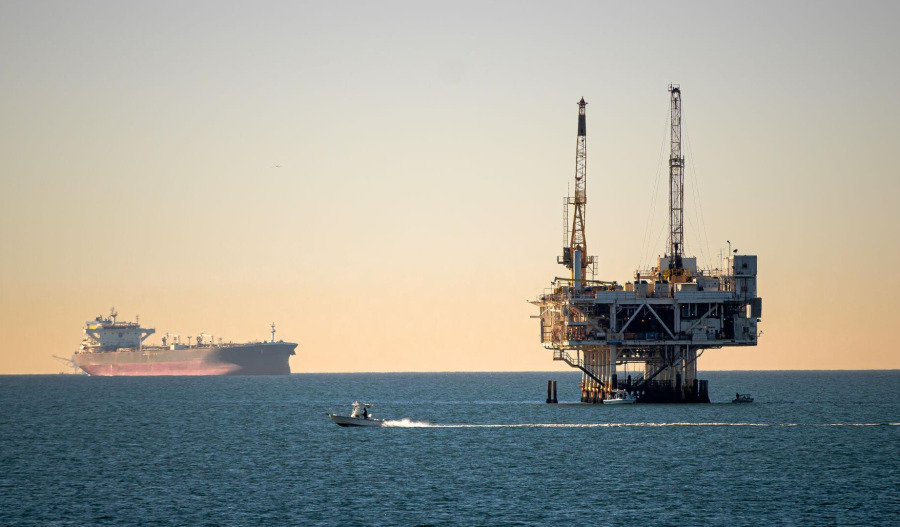
The U.S. Treasury on Monday issued a broad 60-day exemption, known as General License X, permitting Iran to produce and sell crude oil, petrochemical products and refined petroleum products in US dollars until 21 August.
The waiver also authorises transactions involving vessels and entities that had previously been subject to U.S. sanctions, while theoretically reopening the possibility of U.S. imports of Iranian crude oil.
The decision represents the most extensive rollback of American sanctions on Iran's oil industry since the 1979 Islamic Revolution.
It reverses years of economic pressure designed to constrain Tehran's oil revenues and is expected to unlock billions of dollars in additional income for the Iranian government.
U.S. President Donald Trump defended the move on Truth Social, arguing that revenues generated from oil sales should be directed toward the purchase of American agricultural products rather than military spending.

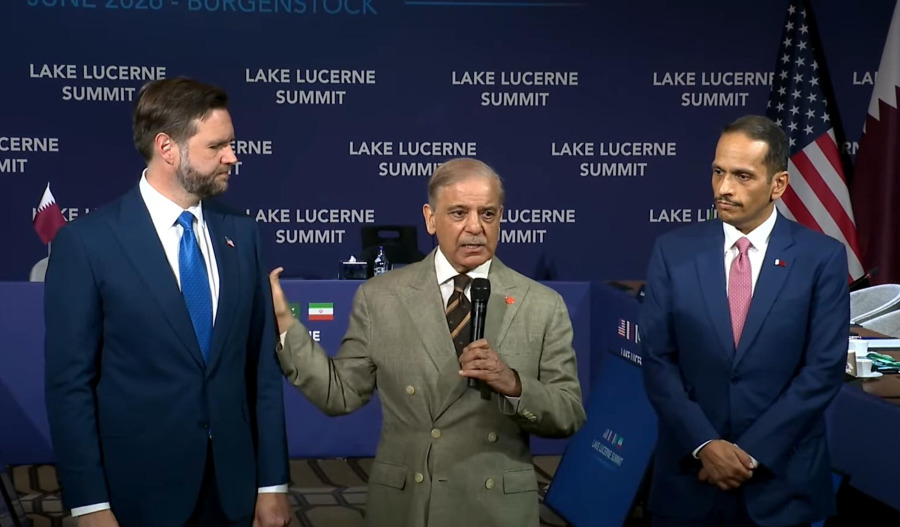
The sanctions relief follows a memorandum of understanding signed by the United States and Iran last week.
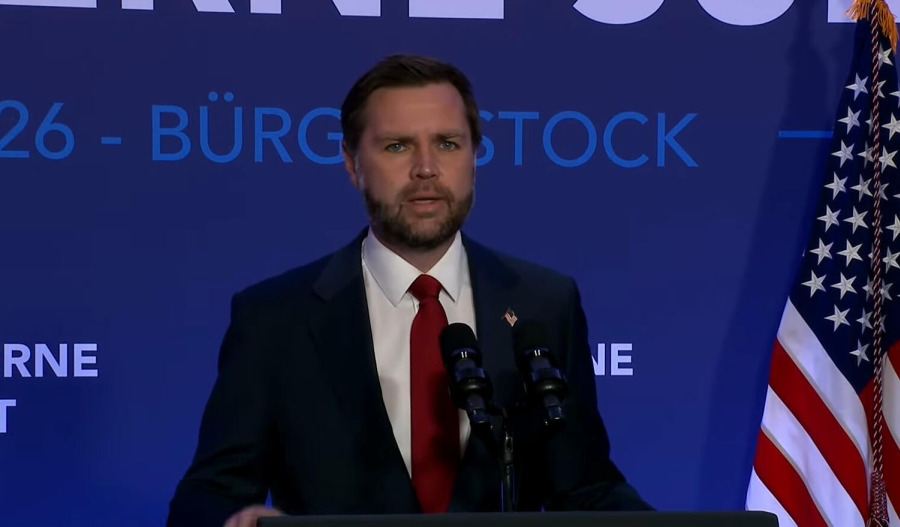
Negotiations held in Switzerland, which concluded on Monday, reportedly made positive progress towards a comprehensive agreement between the two countries.
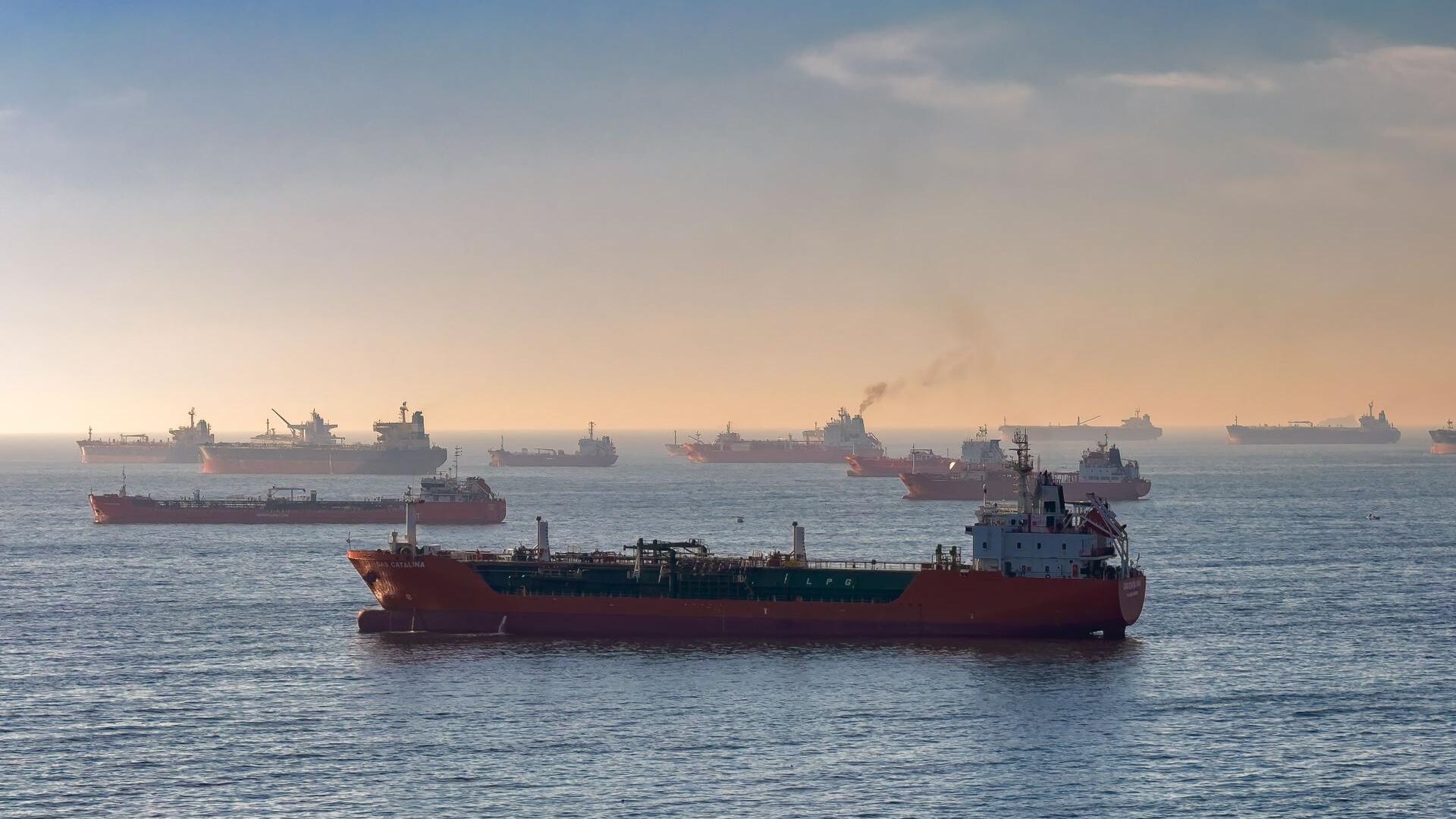
Iran's crude exports have already accelerated as diplomatic discussions advanced. According to CNBC, citing maritime intelligence firm Windward, Iran exported 6.79 million barrels of crude last week, marking the highest weekly shipment level in two months.
The latest exemption allows Iran to receive proceeds from oil sales directly through its central bank. The change is expected to lower transaction costs by reducing reliance on intermediary networks and shadow banking channels that had previously been used to circumvent sanctions restrictions.
China remains the dominant buyer of Iranian crude, accounting for approximately 90% of the country's oil exports. Independent Chinese refiners, commonly known as teapot refiners, continue to represent the bulk of those purchases.
Michael Feller, chief strategist at Geopolitical Strategy, told CNBC that Iran is likely to take advantage of the 60-day window to repair oil infrastructure damaged during recent conflicts and negotiate longer-term supply agreements with Chinese buyers.
“This will be a huge boost to Iran, both to its economy and its sense of victory.”