Two senior Federal Reserve officials expressed cautious optimism this week that inflation will moderate in the coming years, although both indicated there was little urgency to adjust United States interest rates in the near term.
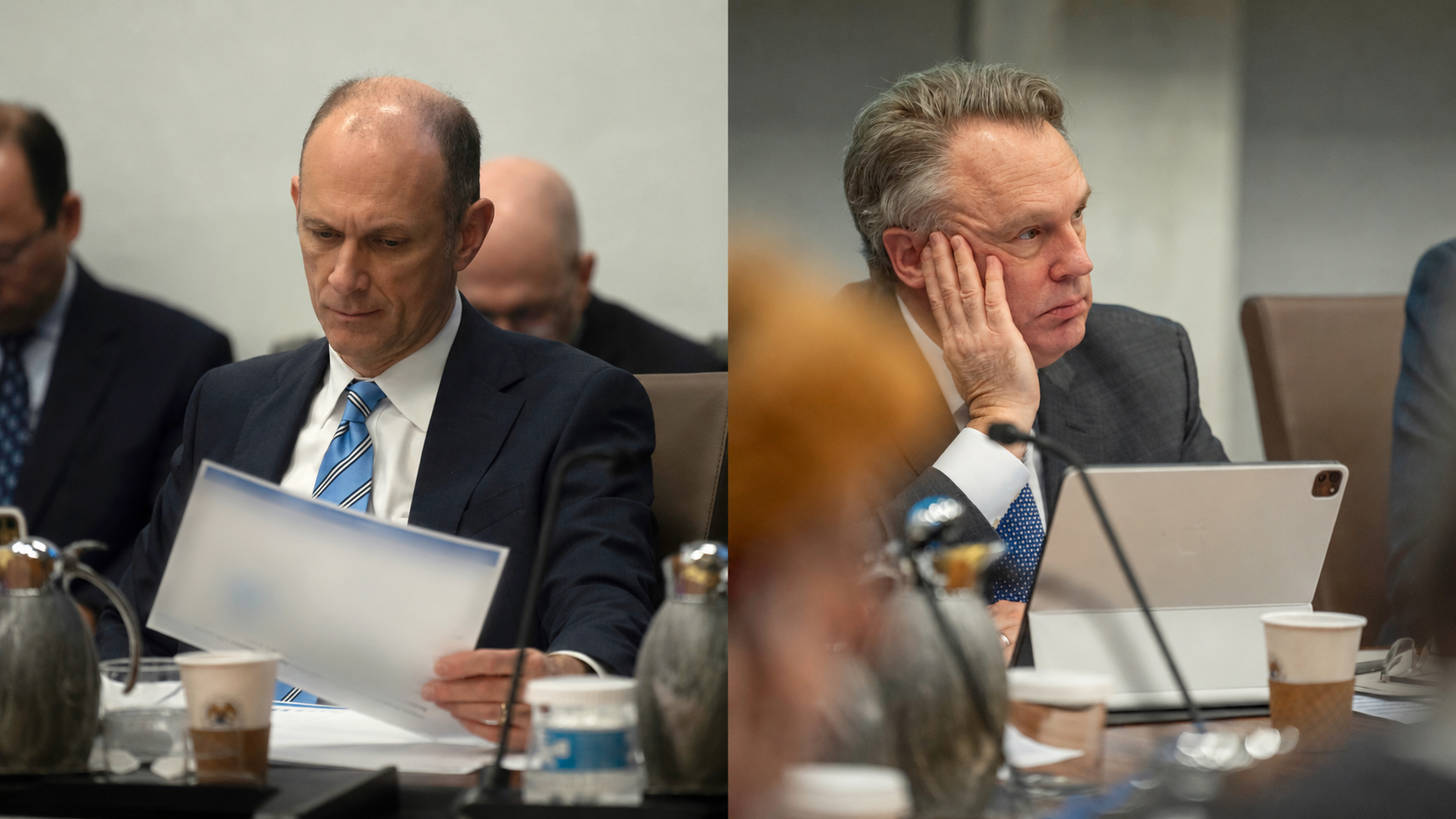
Chicago Federal Reserve President Austan Goolsbee said inflation remains the central bank's primary challenge despite some encouraging signs in recent data, while New York Federal Reserve President John Williams said he expects price pressures to gradually ease as several temporary factors fade.
The remarks came after the Commerce Department reported that the Federal Reserve's preferred inflation gauge, the core personal consumption expenditures (PCE) price index, rose 3.4% in May from a year earlier, the highest annual reading since October 2023.
Monthly data showed goods prices rose 0.4% while services increased 0.5%, the strongest monthly gain in services since January. Higher energy costs, which climbed 6.5%, drove much of the increase in goods prices, while transportation services, a category sensitive to fuel prices, rose 0.8%.
Speaking during a live CNBC interview from the trading floor of the Cboe, Goolsbee declined to speculate on the future path of interest rates, saying his focus remained firmly on inflation.
“You have seen now little bit of improvement on this services inflation, and I’ve been identifying that as something that we would want to see,” Goolsbee said.
“But right now, as between the two sides of the Fed’s mandate, the inflation side and the job market side, clearly the problem’s on the inflation side.”
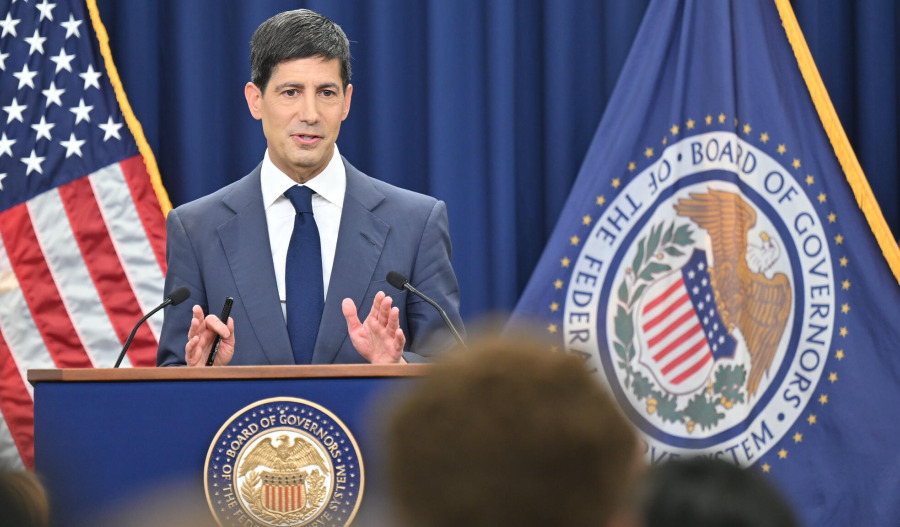
Markets currently expect the Federal Reserve to raise interest rates as early as September, though Goolsbee declined to indicate how he might vote. Instead, he endorsed the communication strategy introduced by Federal Reserve Chair Kevin Warsh, who last week moved away from providing detailed forward guidance on future monetary policy.
“Let’s streamline, let’s take some forward guidance out of there. Let’s not speculate about the rate path,” he said. “I think it’s healthy that we have those resets.”
Commenting on Warsh's leadership, Goolsbee added:

“He comes in with new ideas. He’s a serious guy. You saw in the press conference that he comes with a different style,” Goolsbee said. “Before I was ever at the Fed, and since I’ve been at the Fed, I’ve been uneasy with the use of forward guidance and speculating about the future of rates on a routine basis.”
Williams also struck a cautiously optimistic tone in prepared remarks for the Crane Money Fund Symposium in Jersey City, New Jersey. Although he was unable to attend the event, his prepared speech was released publicly.
The influential policymaker said the current stance of monetary policy remained appropriate given inflation's elevated level.
“Given the elevated level of inflation, it is imperative that we restore it to our 2 percent longer-run goal on a sustained basis,” Williams said. “The current stance of monetary policy is well positioned to do that.”
Williams outlined three factors that he believes will help reduce inflation over time: the diminishing impact of tariffs, expectations that energy prices will ease if the conflict involving Iran subsides, and slower shelter inflation as rent increases moderate.
He forecast inflation would decline to 3.5% by the end of this year from its current 4.1% before continuing to move lower over the following years.
Inflation will “continue on a glide path” back down to the Federal Reserve's 2% target by 2028, Williams said.
“Like the World Cup tournament, the economy can take surprising and unpredictable turns,” he said. “One thing that is certain is my unwavering commitment to supporting maximum employment and bringing inflation down to our 2 percent longer-run goal on a sustained basis.”
The Federal Open Market Committee next meets on July 28-29. According to CME Group's FedWatch tool, financial markets are currently pricing in around a 30% probability of an interest rate increase at that meeting.
While Goolsbee does not hold a vote on monetary policy decisions this year and will next vote in 2027, Williams is a permanent voting member of the Federal Open Market Committee.