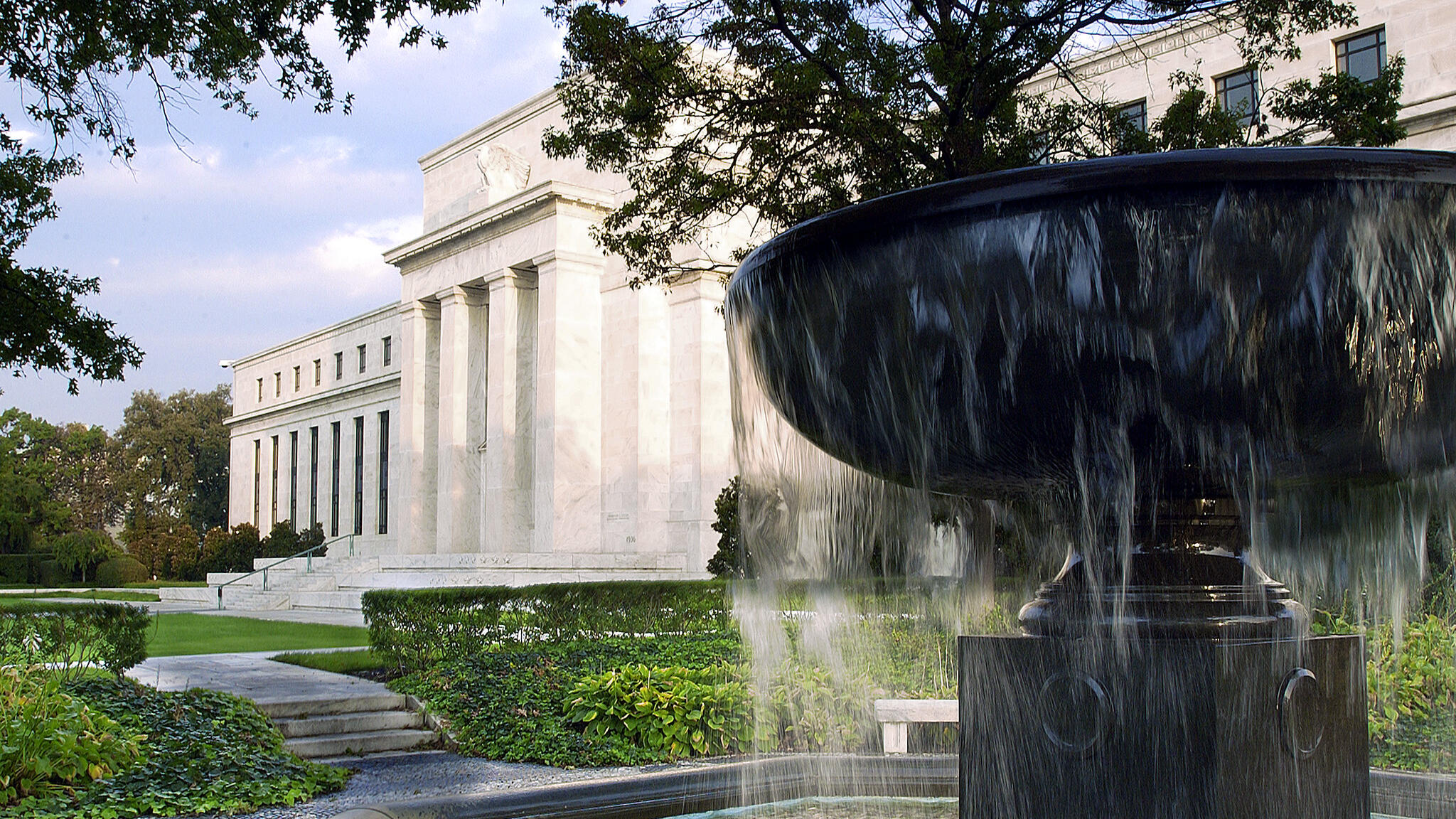
Recent speeches and policy remarks from current and former Federal Reserve officials have cast a spotlight on growing tensions over the direction of United States monetary policy, as inflation concerns persist and the central bank enters a new leadership era under Chair Kevin Warsh.
Former Federal Reserve Chair Jerome Powell warned that rising political pressure on the central bank could undermine public trust in its independence, describing the situation as a political “stress test” during remarks at the John F. Kennedy Library Foundation in Boston.
Powell, whose tenure as chair ended on 15 May, pointed to efforts by the Trump administration to influence Fed personnel decisions and policy direction, including calls for his resignation and attempts to remove Fed Governor Lisa Cook.
“If any administration finds a way to remove Fed officials over policy differences, then future administrations will do so as well,” Powell said while accepting the John F. Kennedy Profile in Courage Award.
“The public would lose faith that the central bank will make decisions based only on what’s best for all Americans.”
Powell also referenced a now-dropped Department of Justice inquiry into a US$2.5 billion renovation of the Fed’s Washington headquarters, saying such political scrutiny risks eroding institutional credibility.
He emphasised that democratic institutions are “not easily built but can be torn down all too quickly”, warning that preserving central bank independence remains essential even amid calls for reform.
Inflation pressures and policy debate intensify
At the same time, current Fed policymakers struck a more hawkish tone on inflation and interest rates.
Cleveland Fed President Beth Hammack warned that rates may need to rise if inflation does not ease, arguing that persistent price pressures pose a greater risk than labour market weakness. She said delaying action could force more aggressive tightening later.
“Based on the data, I’m more concerned about the growing risks of persistently elevated inflation than the risks to full employment and also that monetary policy may not be sufficiently restrictive to bring inflation down to 2 percent.
“If we wait for definitive evidence that high inflation has become embedded in the economy, it may require larger policy adjustments, at greater cost,” Hammack said, adding that ”if recent trends continue, it may soon be appropriate to act".
She also noted that inflation has been exacerbated by disruptions linked to the conflict with Iran, particularly through energy markets and supply chain pressures affecting shipping, food and industrial inputs.
Dallas Fed President Lorie Logan echoed concerns about inflation, noting that current conditions indicate that “monetary policy is not restraining the economy”.
She further noted, “I am increasingly concerned that higher interest rates could be necessary later this year to fully restore price stability and appropriately balance both sides of the Fed’s dual mandate.
“However, these decisions call for thorough analysis and debate.”
Logan pointed to broad-based price pressures across goods and services, including rising electricity, health insurance and software costs, and warned that energy-driven inflation could prove persistent if geopolitical tensions continue.
Her remarks align with recent Fed communications indicating that inflation expectations remain a key focus for policymakers, particularly as energy market volatility feeds through into broader price indices.

K-shaped economy emerging in Beige Book
The latest Federal Reserve Beige Book added further context to the economic backdrop, highlighting growing divergence in household financial conditions.
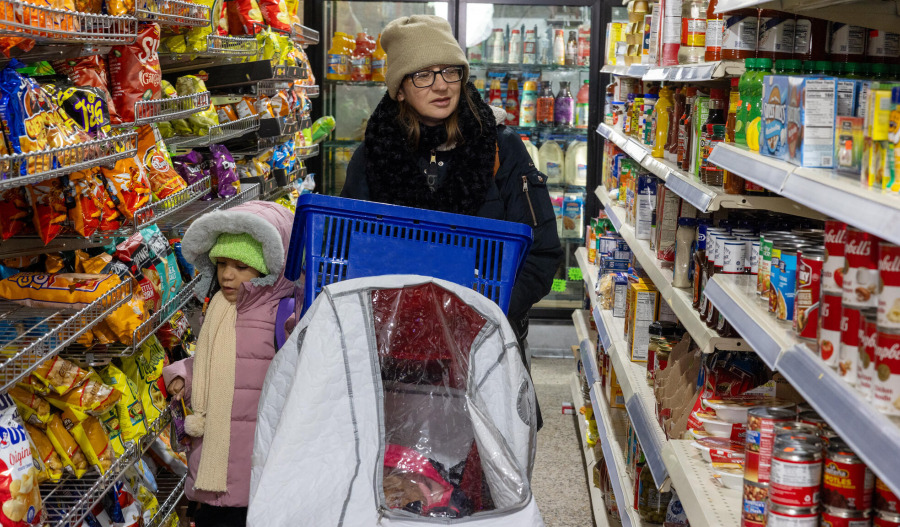
The report found evidence of a “K-shaped economy,” where higher-income households remain resilient while middle- and lower-income consumers face increasing financial strain.
“Higher-income households remained resilient and less sensitive to price increase, while middle-income households were described as ‘squeezing more life out of every dollar before deciding to spend it,’ and low-income consumers showed greater financial strain,” the Beige Book noted.
Across Fed districts, officials reported increased credit card usage, weaker retail traffic and stronger demand for essential goods. Inflation was also described as rising at a moderate to strong pace, with energy prices identified as a key driver linked to ongoing Middle East tensions.
Input costs were rising faster than selling prices in many sectors, squeezing corporate margins and limiting the ability of businesses to pass on higher expenses.

Warsh era and structural debate over Fed policy
The debate over monetary policy comes as incoming Fed Chair Kevin Warsh begins to shape the central bank’s direction, with markets closely watching early personnel decisions and potential changes to the Fed’s operating framework.
Recent reporting from CNBC indicates that Warsh has begun assembling a team that includes conservative economic advisers, while also signalling a willingness to rethink how the Fed manages its balance sheet and financial market interventions.
That broader structural debate includes whether the central bank should rely less on its expanded post-crisis balance sheet and instead adopt a more limited role in financial markets, potentially shifting emphasis toward short-term funding rates as a policy tool.
The Federal Open Market Committee is set to meet next week, where policymakers will weigh persistent inflation pressures against signs of economic resilience and growing concerns about financial stability.