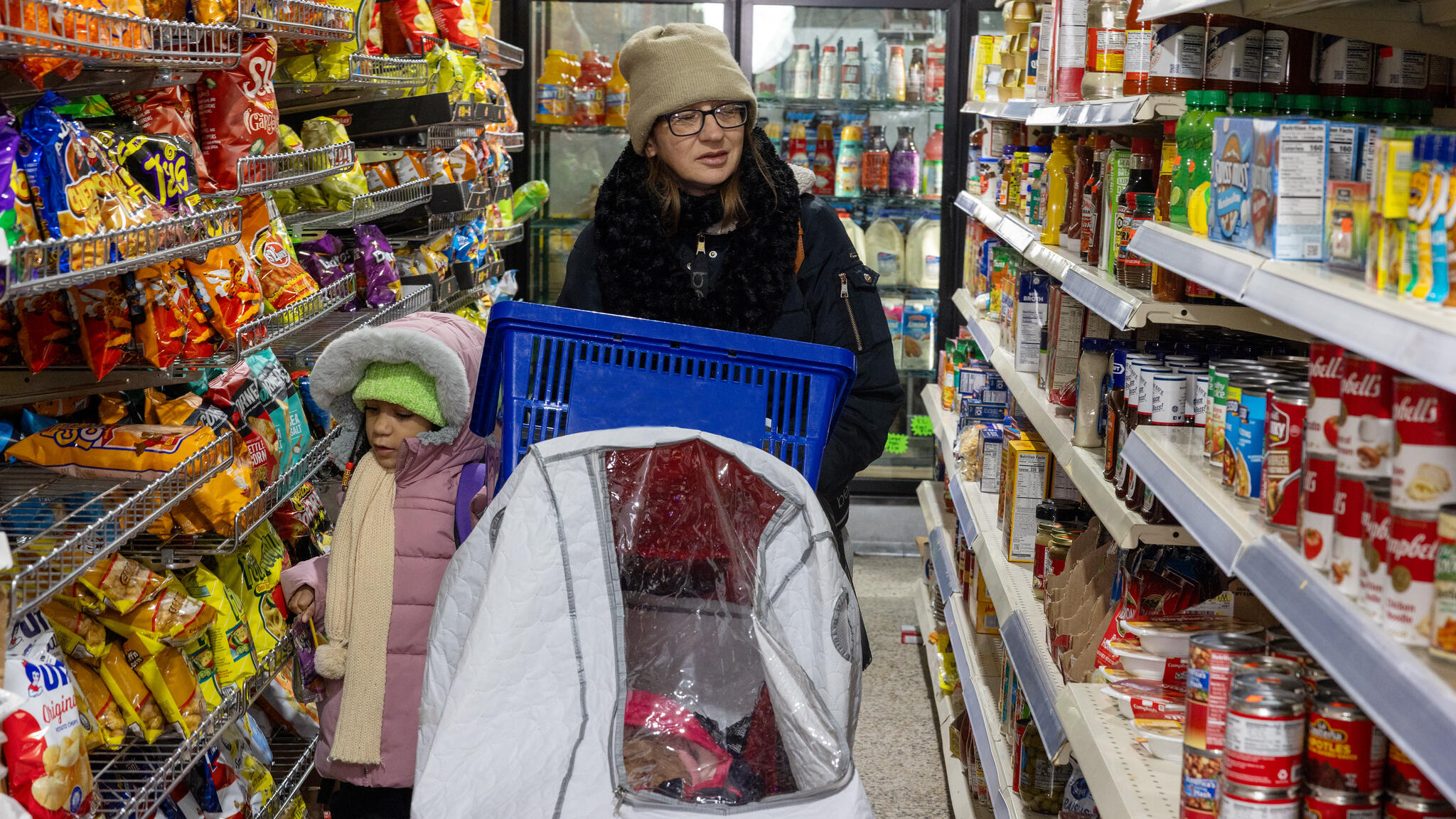
The Federal Reserve Bank of New York has warned that lower- and middle-income households are facing mounting financial strain and a “remarkable increase in food insecurity” as the divide within the United States economy continues to widen.
In a recent blog post, New York Fed researchers said the increasingly pronounced “K-shaped” economy has left many lower-income Americans struggling with rising living costs even as wealthier households continue to benefit from strong asset prices and economic growth.
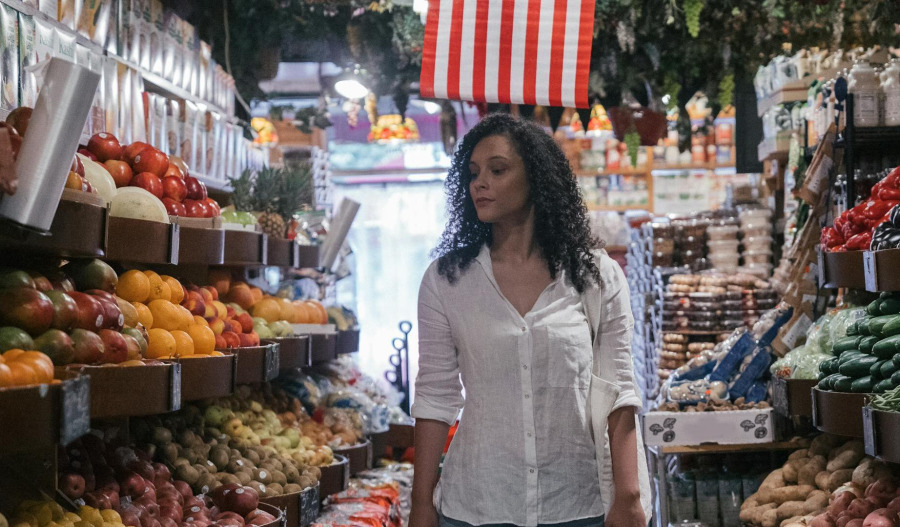
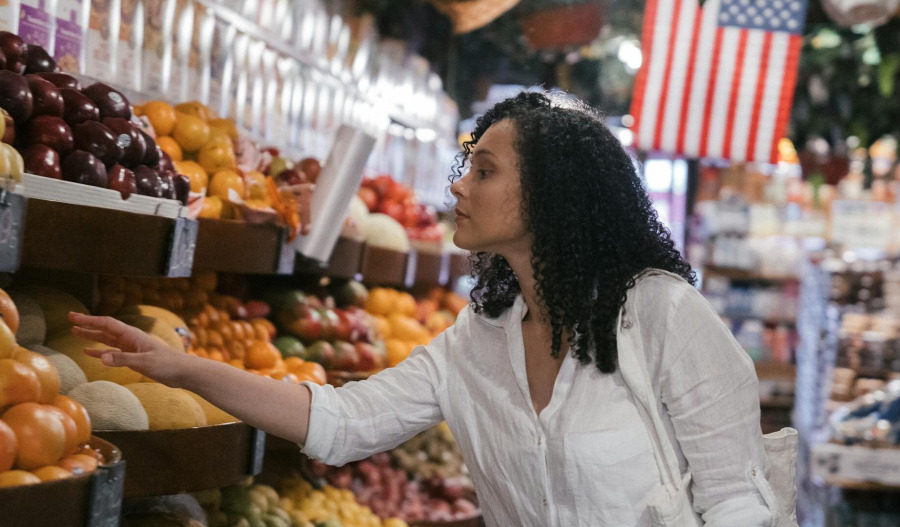
Drawing on data from the central bank’s Survey of Consumer Expectations, the researchers said prolonged inflation has disproportionately affected lower- and middle-income households because a larger share of their spending is directed toward essentials such as housing, food and utilities.
As prices in those categories have surged since the pandemic, many households have been forced to reduce grocery spending and cut back on other necessities.
“The greater financial strain due to the high cost of living, combined with the expiration of pandemic-era aid (such as expanded SNAP benefits), have led to renewed concerns about food insecurity among those at the bottom of the K-shape,” the researchers wrote.
The report noted that the expiration of pandemic-era assistance programs, including expanded SNAP benefits formerly known as food stamps, has intensified financial stress for vulnerable households.
The Supplemental Nutrition Assistance Program (SNAP) provides monthly benefits to low-income individuals and families through Electronic Benefit Transfer cards that can be used at authorised retailers to purchase eligible food items, produce and seeds for household consumption.
Researchers also pointed to recent policy changes under President Donald Trump’s “big beautiful bill”, which tightened work requirements tied to SNAP eligibility.
According to figures from the U.S. Department of Agriculture,13.7% of American households experienced food insecurity in 2024.
The New York Fed suggested the increase in food insecurity may help explain why many Americans feel financially worse off despite the broader economy continuing to expand at a relatively solid pace since the Covid-19 pandemic.

Consumer confidence has weakened sharply following a series of financial shocks in recent years, including persistent inflation, elevated borrowing costs and higher energy prices.
The University of Michigan Surveys of Consumers, one of the most closely watched measures of household sentiment, fell to record lows in May.
“Consumers overall have been pessimistic about their own financial circumstances and outlook,” the New York Fed researchers wrote.
At the same time, the report noted there remained “significant” differences in financial conditions across households, reinforcing the growing divide within the economy.
The concept of a “K-shaped” economy refers to a recovery in which higher-income households continue to see rising wealth and stronger financial conditions, while lower-income groups experience stagnation or deterioration.
Researchers noted that rising stock markets and increasing home values have disproportionately benefited wealthier households, which hold a larger share of financial and property assets.
The pandemic accelerated those dynamics as stock and housing markets surged while many lower-income households struggled to keep pace with rapidly rising prices.
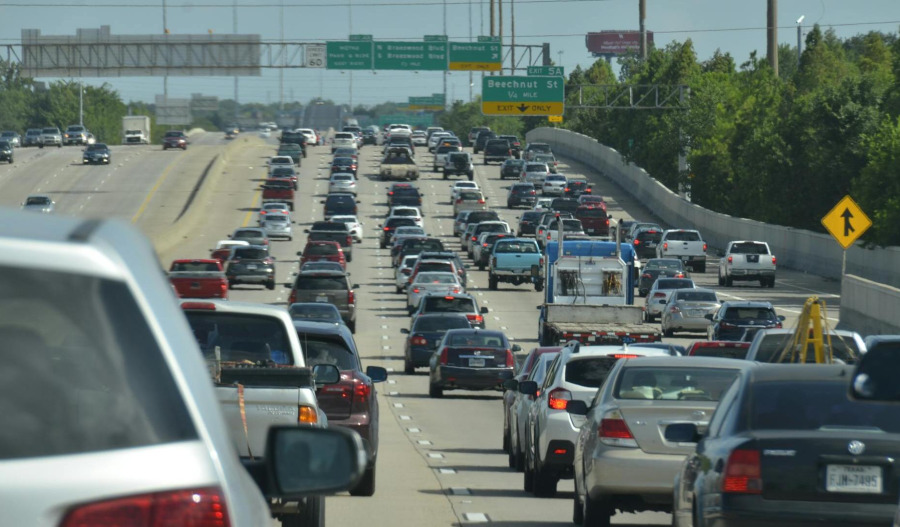
Higher fuel costs have added further pressure to financially vulnerable consumers. According to American Automobile Association (AAA) data, the national average gasoline price reached US$4.46 per gallon on Wednesday, up roughly 40% from a year earlier.
“The top of the K-shape reflects high and growing levels of net wealth,” the researchers wrote, while “the bottom of the K-shape represents a significant share of the middle- and lower-income population experiencing elevated levels of economic uncertainty and financial hardship”.
The New York Fed’s monthly Survey of Consumer Expectations, released earlier this month, also found that around one-third of households expect their financial situation to worsen over the next year.