Consumer prices in the United States rose at a faster-than-expected pace in April, with inflation climbing to its highest annual level since May 2023 as rising energy costs added further pressure to households and complicated the outlook for Federal Reserve policy.
According to data released by the Bureau of Labor Statistics (BLS) on Tuesday, the consumer price index (CPI) increased 0.6% on a seasonally adjusted basis during April, lifting the annual inflation rate to 3.8%.
The monthly reading matched market forecasts, although markets had expected annual inflation to come in slightly lower at 3.7%.
Core inflation, which excludes volatile food and energy prices and is closely monitored by Federal Reserve officials as a gauge of underlying price pressures, rose 0.4% for the month and 2.8% annually.
The annual headline inflation rate marked the highest level recorded since May 2023 and represented a sharp acceleration from March, when inflation was 0.5 percentage points lower at 3.3%.
Analysts at ANZ said the report suggested broader inflation pressures remained relatively contained despite concerns surrounding tariffs and geopolitical tensions.
"Despite all the hype last year that tariffs would raise inflation, core inflation was unchanged at 2.8% y/y in April, the same as it was in April 2025. That shows underlying core inflation pressures ex-goods have been moderating.
"That is good news amid the current challenging environment and rise in headline inflation. It suggests that tariffs have not fanned a broader inflation problem."
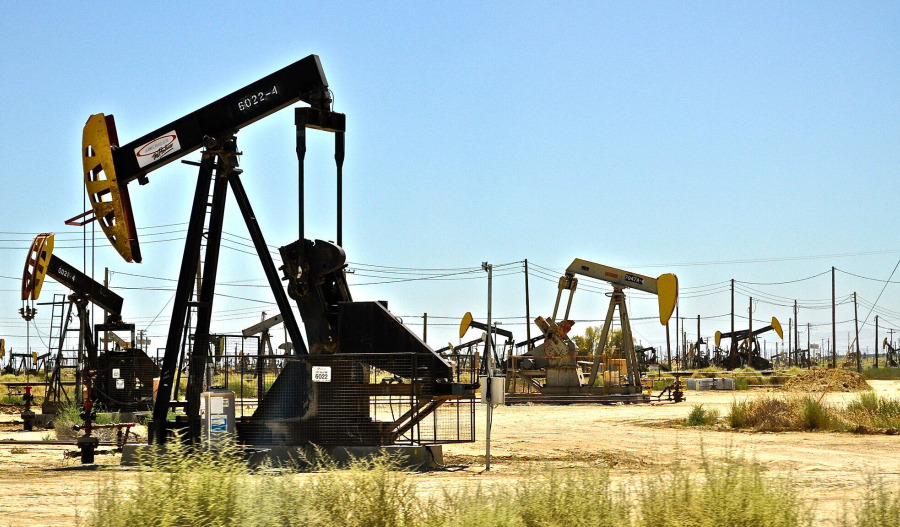
Energy prices were the largest contributor to the monthly increase, surging 3.8% and accounting for more than 40% of the headline gain.
Over the past year, energy costs have risen 17.9%.
Gasoline prices jumped 28.4% annually amid ongoing supply disruptions linked to the Iran conflict and the closure of the Strait of Hormuz.
Food prices also continued to climb, rising 0.5% during the month and 3.2% over the year. Grocery prices increased 0.7%, marking the biggest monthly rise in food-at-home costs since August 2022.
Inflationary pressures extended beyond energy markets, with shelter costs increasing 0.6% after moderating in previous months, indicating broader price pressures across the economy.

The tariff-sensitive apparel category rose 0.6%, while airline fares jumped 2.8% during the month, pushing annual growth in airfare prices to 20.7%.
However, some areas of the economy showed easing price pressures. New vehicle prices fell 0.2%, while used car and truck prices were unchanged.
Medical care costs declined 0.1%, hospital services dropped 0.3%, and health insurance prices fell 0.4%.
The report also highlighted deteriorating wage conditions for workers, with real average hourly earnings falling 0.5% during the month and down 0.3% compared with a year earlier after accounting for inflation.
The latest inflation figures arrive at a critical moment for the Federal Reserve, which has maintained its benchmark interest rate unchanged throughout the year amid growing divisions among policymakers over the direction of monetary policy.
At its April meeting, the Fed voted again to leave rates unchanged, though the decision included four dissents, the largest number since 1992.
Federal Reserve Governor Stephen Miran voted in favour of a quarter-percentage-point rate cut, while three regional Fed presidents objected to language interpreted by markets as signalling the next policy move would likely be a cut.
Following the inflation report, traders increased expectations for another interest rate rise before year-end. According to the CME Group FedWatch Tool, markets are now pricing in a 29.9% probability of a Federal Reserve rate hike by December.
Incoming Federal Reserve Chair Kevin Warsh has advocated for lower interest rates, although the renewed inflation surge linked to the Iran conflict may complicate that stance.
Despite higher borrowing costs and weakening consumer confidence, the broader U.S. economy has remained relatively resilient.
Consumer sentiment has fallen to record lows, though equity markets continue to trade near all-time highs as corporate America approaches the conclusion of a strong earnings season.
Consumer spending has also remained firm, supported largely by higher-income households and ongoing price increases.
Meanwhile, the Atlanta Federal Reserve’s GDPNow tracker is currently forecasting annualised economic growth of 3.7% for the second quarter, based on preliminary incoming economic data.