Oil prices rose during Tuesday's Asian deals as concerns mounted that the fragile ceasefire between the United States and Iran could collapse, threatening crude supplies and prolonging disruptions through the Strait of Hormuz.
By 2:50 pm AEST (4:50 am GMT), Brent crude futures had gained US$0.59, or 0.6%, to trade at $104.80 per barrel, while U.S. West Texas Intermediate crude rose $0.74, or 0.8%, to $98.81 per barrel.
Both oil benchmarks climbed 2.9% and 2.8%, respectively, during Monday’s session amid escalating geopolitical tensions in the Middle East.
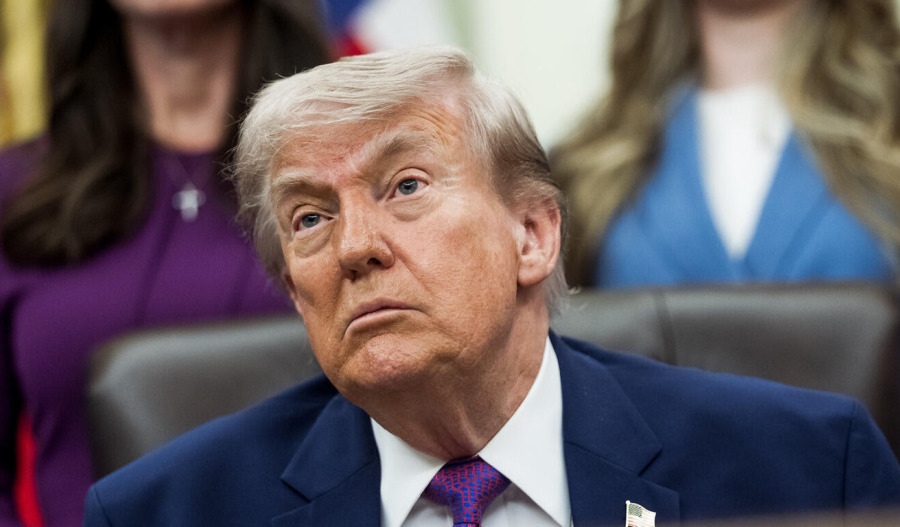
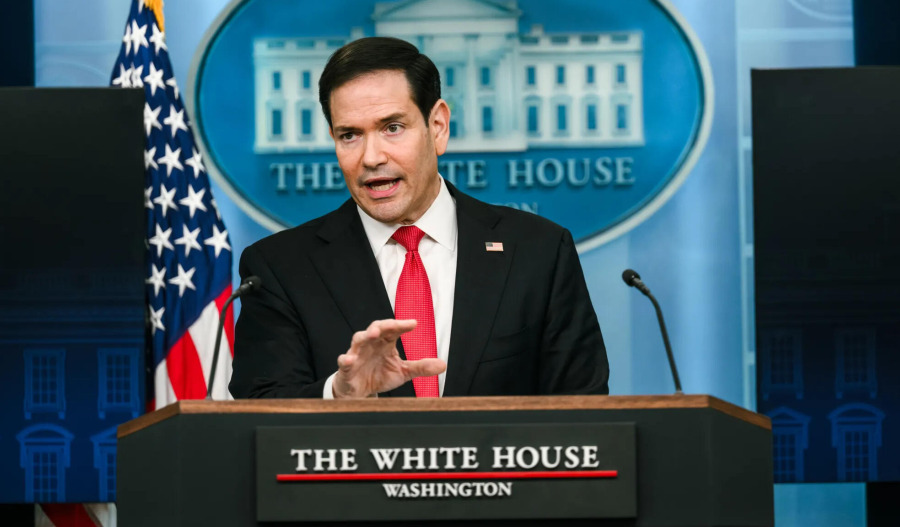
Analysts at ANZ commented in a note to clients: "Crude oil prices rallied on the prospect of an extended closure of the Strait of Hormuz. President Trump warned that the ceasefire between the U.S. and Iran was close to unravelling.
"He said he is considering renewing “Project Freedom”, aimed at guiding vessels through the strait. The first attempt triggered attacks by Iranian forces on a U.S. military vessel and the UAE’s key oil export facility at Fujairah.
“Axios reported that Trump will meet with his national security team to discuss the next steps, including possibly resuming military action. This comes after Trump rejected Iran’s response to a U.S. peace proposal, calling it totally unacceptable.”
U.S. President Donald Trump said on Monday that the ceasefire agreement was on "life support", citing ongoing disagreements over several Iranian demands, including the end of hostilities across the region, the removal of a U.S. naval blockade, compensation for war damages and the resumption of Iranian oil exports.
Supply concerns have intensified as disruptions linked to the near-closure of the Strait of Hormuz forced some producers to scale back exports.

A Reuters survey released on Monday showed OPEC oil production in April fell to its lowest level in more than 20 years.
Saudi Aramco chief executive Amin Nasser warned that instability surrounding the strait could significantly delay a return to balanced global oil markets.
Nasser said disruptions to shipments through Hormuz could postpone market stabilisation until 2027, potentially removing around 100 million barrels of oil per week from global supply chains.
Meanwhile, the Trump administration announced plans to loan 53.3 million barrels of crude oil from the U.S. Strategic Petroleum Reserve (SPR) as part of an international effort aimed at calming global energy markets.
The emergency supply arrangement follows a broader agreement reached earlier this year with more than 30 countries through the International Energy Agency (IEA) to release approximately 400 million barrels of oil into the market.
Nine companies, including Exxon Mobil, Trafigura and Marathon Petroleum Company, borrowed around 58% of the 92.5 million barrels the U.S. Department of Energy had offered from the reserve last month.
The Department of Energy had already loaned roughly 80 million barrels from the SPR earlier this year as part of efforts to release a total of 172 million barrels.
The coordinated action was designed to offset the impact of Iran’s restrictions in the Strait of Hormuz, through which around 20% of global oil supply normally passes each day.
Investors are also closely monitoring President Trump’s planned meeting with Chinese President Xi Jinping on Wednesday, particularly after Washington imposed sanctions on three individuals and nine companies accused of facilitating Iranian oil shipments to China.