United States President Donald Trump on Sunday (Monday AEST) rejected Iran’s response to a U.S. proposal aimed at ending the conflict in the Middle East, as limited shipping movements resumed through the blockaded Strait of Hormuz amid continuing regional tensions.
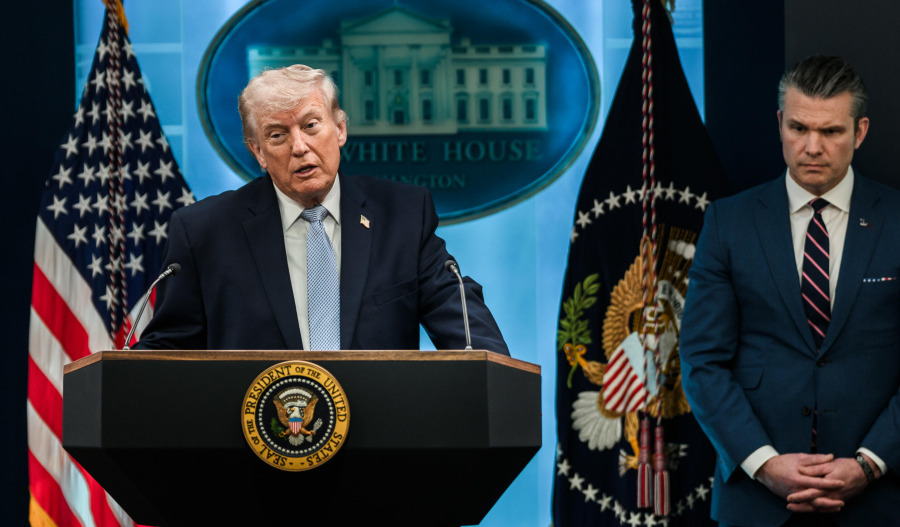
"I have just read the response from Iran’s so-called “Representatives.” I don’t like it — TOTALLY UNACCEPTABLE," Trump posted on Truth Social.
“The current phase of negotiations is focused exclusively on the cessation of hostilities in the region,” Iran’s IRNA news agency reported, per Politico.
The exchange followed a U.S. proposal calling for an end to hostilities before broader negotiations commenced on more contentious matters, including Iran’s nuclear program.
The Wall Street Journal, citing unnamed sources, reported that Iran had proposed diluting part of its highly enriched uranium stockpile while transferring the remainder to a third country.
Despite a month-old ceasefire and nearly 48 hours of relative calm, hostile drones were reportedly detected over several Gulf nations on Sunday, amid continued instability in the region.
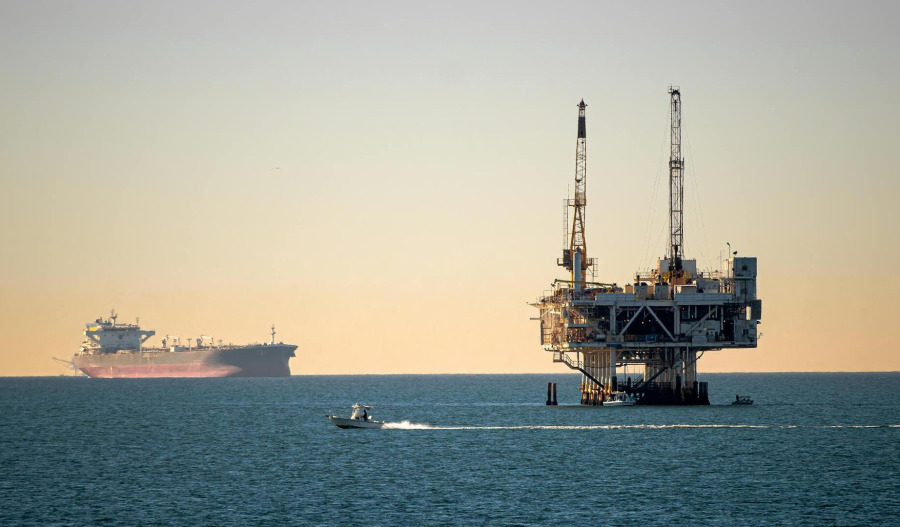
However, there were signs of limited progress in maritime activity. The QatarEnergy-operated liquefied natural gas carrier Al Kharaitiyat safely passed through the Strait of Hormuz and was travelling towards Pakistan’s Port Qasim, according to shipping analytics firm Kpler as reported by Reuters.
The shipment marked the first Qatari LNG vessel to transit the strait since the U.S. and Israel launched military operations on 28 February.
Separately, a Panama-flagged bulk carrier bound for Brazil reportedly transited the strait after earlier attempting passage on 4 May.
Israeli Prime Minister Benjamin Netanyahu said the conflict was not yet over, stating there was "more work to be done" to eliminate Iran’s enriched uranium stockpiles, dismantle enrichment facilities and address Tehran’s ballistic missile capabilities and regional proxy groups.

Speaking in an interview with CBS News’ "60 Minutes," Netanyahu said diplomacy would be the preferred method for removing Iran’s enriched uranium, although he declined to rule out the use of force.
Iranian President Masoud Pezeshkian reiterated Tehran’s defiant stance, saying in a post on X that Iran would "never bow down to the enemy" and would "defend national interests with strength".
Despite ongoing diplomatic efforts, risks to regional shipping routes and economic stability remained elevated.
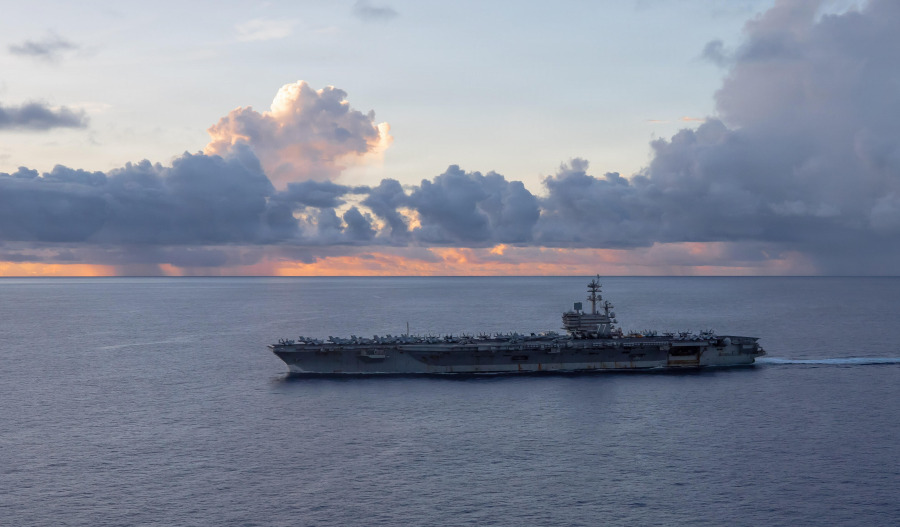
Recent days have seen some of the most serious flare-ups since the ceasefire began. The UAE experienced renewed attacks on Friday, while sporadic clashes between Iranian forces and U.S. naval vessels continued in the Strait of Hormuz.
Fighting has also persisted in southern Lebanon between Israel and Iran-backed Hezbollah forces despite a U.S.-brokered ceasefire announced on 16 April.
Hostilities between Israel and Hezbollah resumed on 2 March after the Lebanese militant group launched attacks following U.S.-Israeli strikes on Tehran.
Fresh talks between Israel and Lebanon are scheduled to begin in Washington on 14 May.
The United States has so far struggled to secure broad international support for military operations aimed at reopening the Strait of Hormuz. NATO allies have resisted calls to deploy naval forces without a comprehensive peace agreement and internationally mandated mission.
Domestically, Trump has also faced pressure from congressional Democrats seeking to curtail U.S. involvement through War Powers Act legislation.
Meanwhile, Britain said on Saturday it was deploying a warship to the Middle East in preparation for a potential international maritime security mission.