Iran said it is still reviewing a new United States peace proposal delivered through Pakistani mediators, as tensions escalated again in the Strait of Hormuz despite ongoing efforts to negotiate an end to the conflict.
Iranian state media on Thursday cited Ministry of Foreign Affairs spokesman Esmaeil Baqaei as saying Tehran was “currently reviewing” messages from Washington but had not yet reached a conclusion or provided a formal response.
The remarks came after reports from Axios and other media outlets indicated the United States and Iran were nearing a 14-point memorandum of understanding aimed at ending the war and laying the groundwork for further nuclear negotiations.
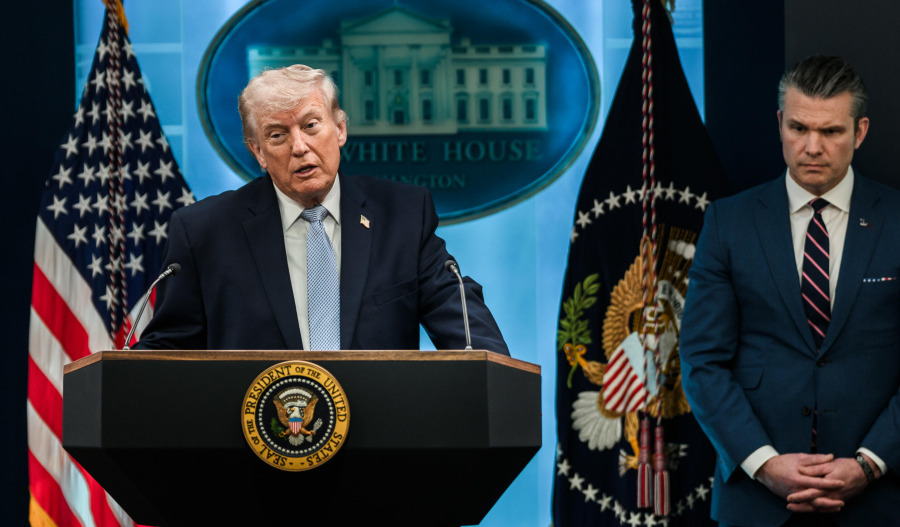
Speaking at the White House, President Donald Trump said Iran wanted to “make a deal very much, and we’ll see whether or not they can make a deal that’s satisfactory to us,” according to CNBC.
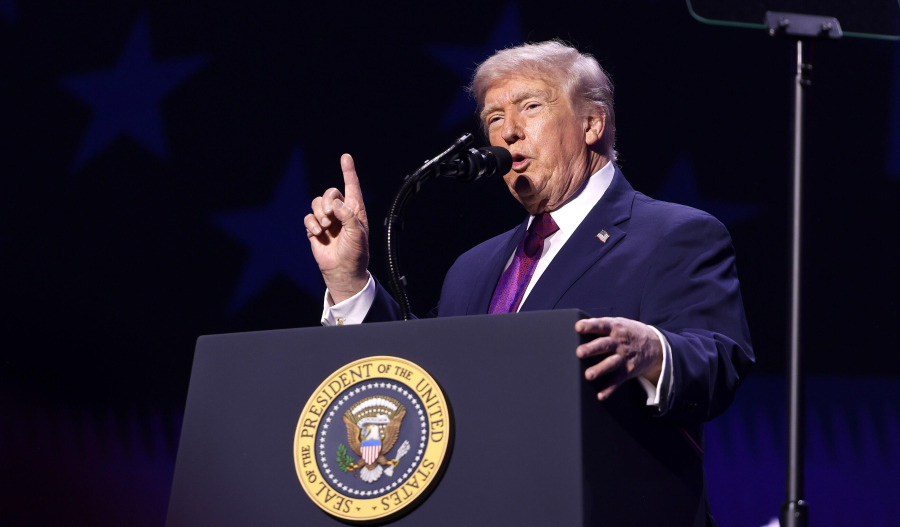
At a campaign event on Wednesday evening supporting Georgia Republican gubernatorial candidate Burt Jones, Trump predicted the conflict would “be over quickly,” according to CBS News.
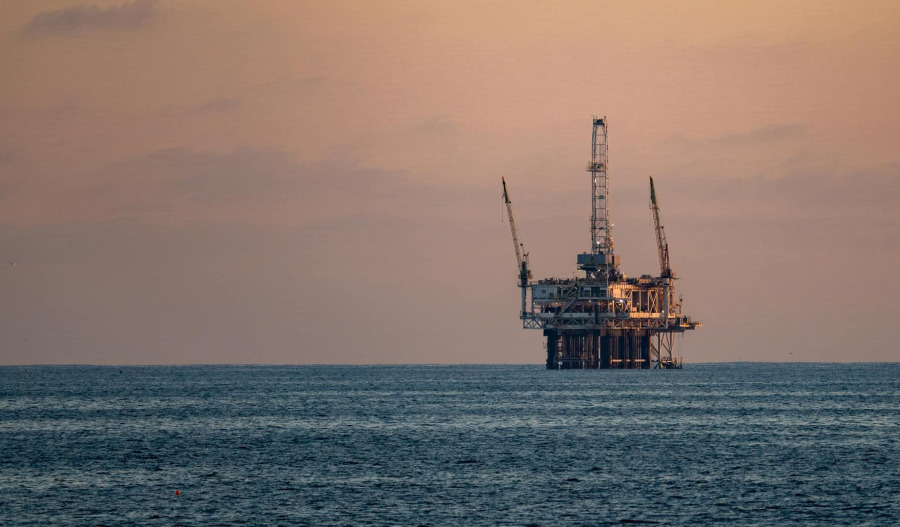
Investor attention remained focused on the Strait of Hormuz, one of the world’s most strategically important oil shipping routes, which has been heavily disrupted during the conflict and contributed to global energy supply concerns.
Earlier this week, the United States launched “Project Freedom”, an operation intended to escort stranded commercial vessels out of the Persian Gulf despite Iranian threats targeting the strait.
President Trump abruptly paused the operation a day later, citing progress in negotiations with Tehran.

NBC News reported that Saudi Arabia had objected to the operation and temporarily suspended U.S. military access to its airspace and bases.
However, The Wall Street Journal later reported that Saudi Arabia and Kuwait had lifted those restrictions and that the Trump administration was considering restarting the operation in coming days.
Senior Iranian official Mohsen Rezaee reportedly warned Tehran would not allow the United States to reopen the strait using “an unrealistic plan.” Rezaee also said any agreement must provide “tangible benefits” for Iran rather than amount to a “flamboyant gesture.”
The diplomatic uncertainty came as both countries accused each other of launching fresh attacks in the Strait of Hormuz, further undermining the fragile ceasefire agreement that began on 8 April as a temporary two-week truce before later being extended by President Trump.
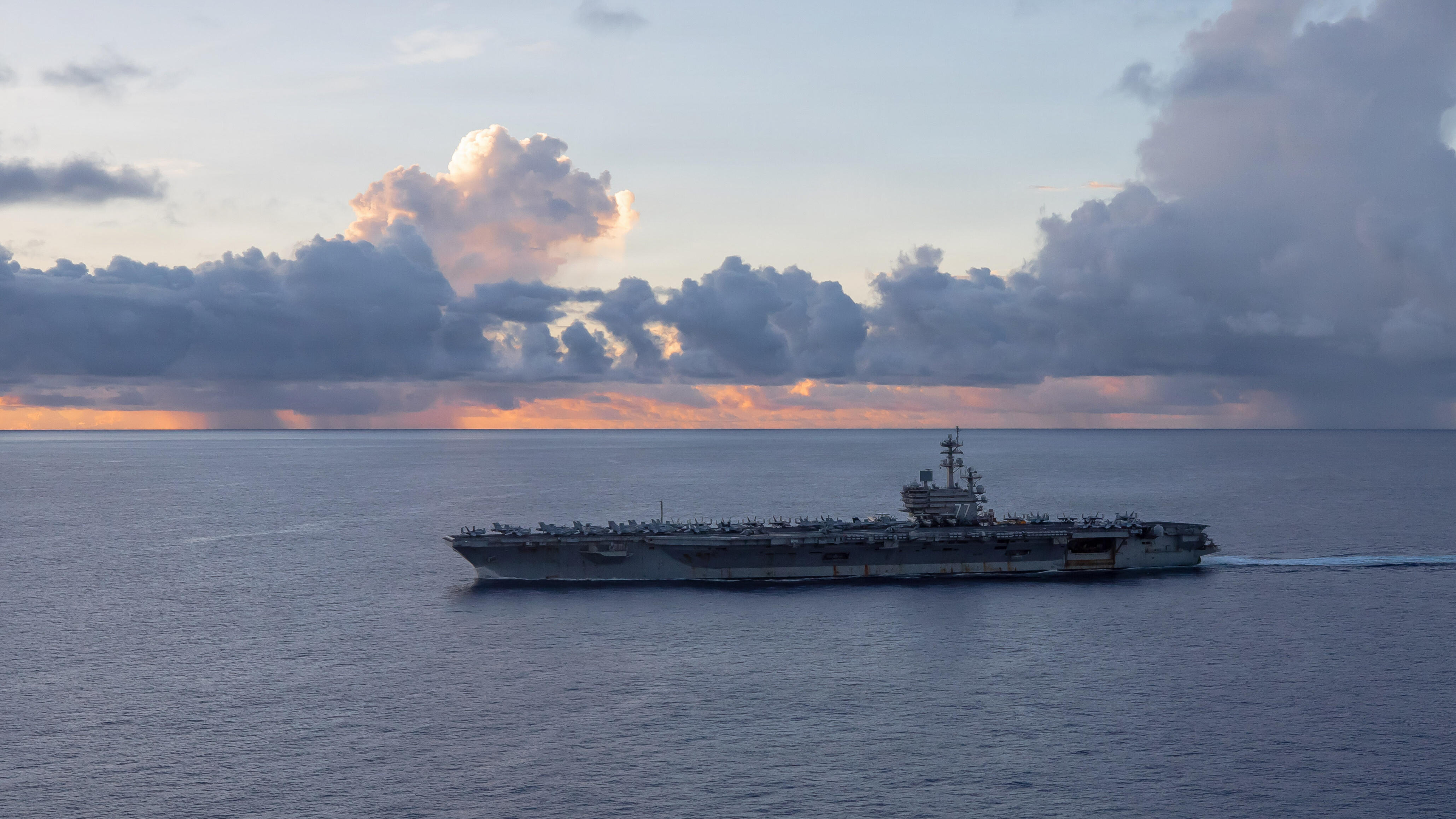
U.S. Central Command said American naval forces “intercepted unprovoked Iranian attacks and responded with self-defence strikes” while three U.S. Navy destroyers were transiting the strait late Thursday.
According to CENTCOM, “Iranian forces launched multiple missiles, drones and small boats” at the vessels as they travelled towards the Gulf of Oman, though the command said no US assets were struck.
CENTCOM added that it had “eliminated inbound threats and targeted Iranian military facilities responsible for attacking U.S. forces, including missile and drone launch sites; command and control locations; and intelligence, surveillance and reconnaissance nodes.”
“CENTCOM does not seek escalation but remains positioned and ready to protect American forces,” the statement said.
Iran, meanwhile, accused the United States of violating the ceasefire by attacking multiple targets in and around the strait.