Oil prices rose during Thursday's Asian deals, recovering part of the previous session’s sharp losses as investors assessed the prospects of a potential peace agreement between the United States and Iran.
By 2:25 pm AEST (4:25 am GMT), Brent crude futures had climbed 72 cents, or 0.7%, to US$101.99 per barrel, while West Texas Intermediate crude rose 67 cents, or 0.7%, to US$95.73 per barrel.
Both benchmarks had fallen heavily on Wednesday, with Brent dropping 7.8% and WTI losing 7%, as optimism over a possible end to the Middle East conflict weighed on risk premiums and pushed prices to two-week lows.
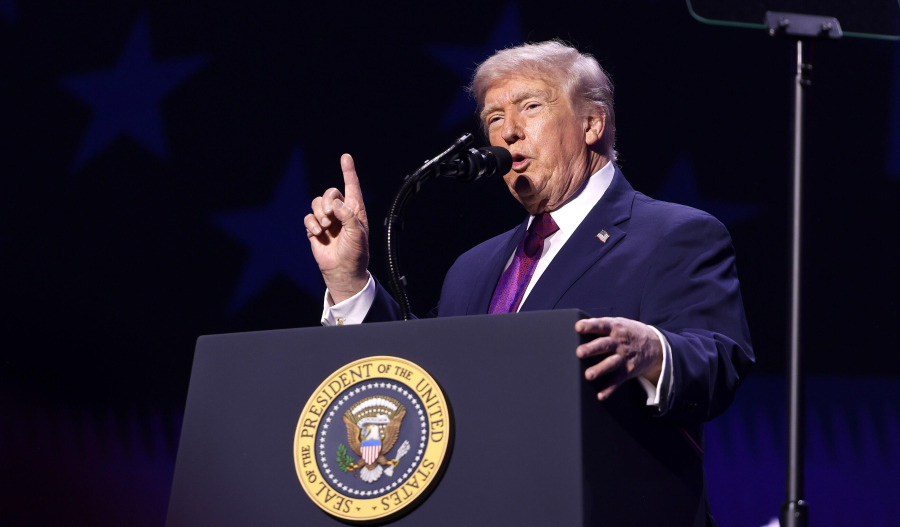
However, oil pared some of those declines after President Donald Trump told the New York Post that it was “too soon” for face-to-face talks with Tehran.
Analysts at ANZ commented in a note to clients: "The market has been anticipating a peace deal, despite the current ceasefire coming under threat earlier this week following Iran’s attack on UAE energy infrastructure."
Iran confirmed on Wednesday that it was reviewing a U.S. peace proposal that sources said would formally end the conflict while leaving unresolved key American demands, including the suspension of Iran’s nuclear programme and the reopening of the Strait of Hormuz.

Reports from Axios indicated the White House is nearing agreement with Iran on a one-page memorandum of understanding that would end the war and establish a framework for broader nuclear negotiations.
According to the report, U.S. officials are awaiting Iranian responses on several critical points within the next 48 hours.
Despite optimism surrounding a potential agreement, analysts expect oil markets to remain tight in the near term. Even if a deal is reached, supply chains disrupted by the conflict are unlikely to normalise quickly, with crude shipments from the Gulf region expected to take weeks to fully resume.
As a result, refiners and energy companies are likely to continue drawing down inventories to meet strong seasonal demand during the northern hemisphere summer.
Additional support for prices came from fresh inventory data released by the Energy Information Administration (EIA), which showed U.S. crude and fuel stockpiles continued to decline last week amid efforts to offset supply disruptions linked to the Iran conflict.
According to the EIA, crude inventories fell by 2.3 million barrels to 457.2 million barrels, compared with market expectations for a draw of 3.3 million barrels.