Oil prices fell for a second consecutive session during Wednesday's Asian trade, as signs of a potential peace agreement between the United States and Iran raised expectations that disrupted Middle East supply could soon return to global markets.
At 2:45 pm AEST (4:45 am GMT), Brent crude futures declined $2.01, or 1.8%, to $107.86 per barrel, following a 4% drop in the previous session. U.S. West Texas Intermediate (WTI) futures also fell $2.01, or 2%, to $100.26, after settling 3.9% lower a day earlier.
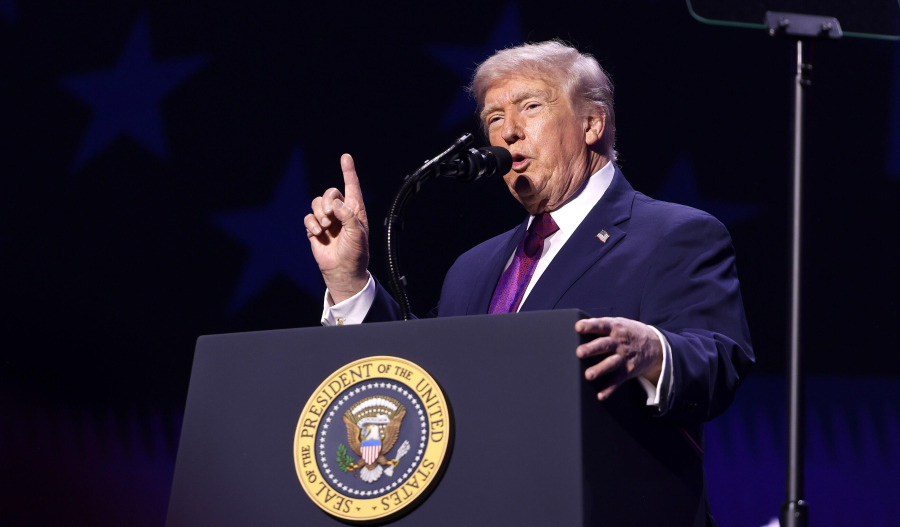
Market sentiment weakened after U.S. President Donald Trump indicated progress towards a possible agreement to end the conflict with Iran, a development that could ease supply disruptions in the oil-rich region.
In early Asian trading, Trump said he would temporarily pause ‘Project Freedom’, aimed at escorting vessels through the Strait of Hormuz, citing advancements in negotiations.
He did not provide specific details on the proposed agreement, and there was no immediate response from Tehran.
“We have mutually agreed that, while the Blockade will remain in full force and effect, Project Freedom (The Movement of Ships through the Strait of Hormuz) will be paused for a short period of time to see whether or not the Agreement can be finalised and signed,” Trump wrote on Truth Social.

Despite the pause, Trump confirmed that the U.S. Navy would maintain its blockade of Iranian ports.
Analysts at ING Think noted: “A deal that normalises oil flows through the Strait of Hormuz is crucial. Roughly 13 mb/d of disrupted supply is being largely offset by inventory, which is clearly declining rapidly.
"This leaves the market more vulnerable with each passing day. Tighter stocks will only leave the oil market trading in an ever more volatile manner.”
Earlier in the week, the U.S. military reported it had destroyed several Iranian small boats, as well as cruise missiles and drones, while escorting two vessels safely out of the Gulf.
The disruption to shipping through the Strait of Hormuz has already led to a drawdown in global oil inventories, as refiners attempt to compensate for supply shortages.
Supporting this trend, data from the American Petroleum Institute (API) showed U.S. crude inventories fell for a third consecutive week.
Crude stocks dropped by 8.1 million barrels in the week ended May 1, significantly exceeding market expectations for a 2.8 million barrel decline. Gasoline and distillate inventories also recorded declines, pointing to continued strength in fuel demand.