A fragile ceasefire between the United States and Iran appeared close to collapse on Monday after a series of escalating military incidents across the Strait of Hormuz, including Iranian drone and missile strikes on the United Arab Emirates (UAE) and a U.S. response targeting Iranian vessels.
The UAE reported multiple attacks throughout the day, with its Defence Ministry stating that air defence systems intercepted ballistic missiles, cruise missiles and drones launched from Iran.
The ministry said its forces engaged 12 ballistic missiles, three cruise missiles and four drones, resulting in three moderate injuries.
In a statement on X, the UAE condemned what it described as “renewed terrorist, unprovoked Iranian attacks targeting civilian sites and facilities in the country using missiles and drones”, warning that it reserved the right to respond.
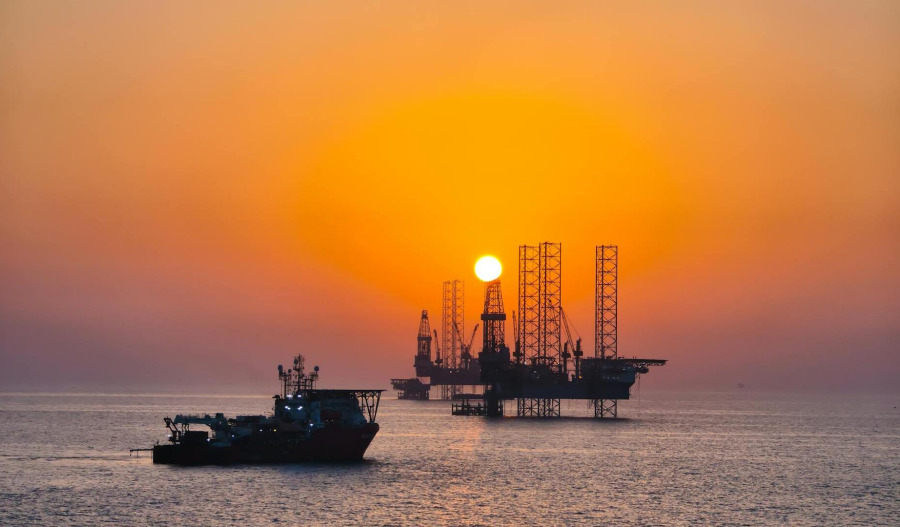
The strikes reportedly included a drone strike on a key oil port that caused a fire, as well as damage to maritime assets.
The United Kingdom Maritime Trade Operations (UKMTO) reported that two ships were hit off the UAE coast, while Abu Dhabi National Oil Company (ADNOC) confirmed that one of its empty oil tankers was struck by Iranian drones.
South Korea also reported that one of its merchant vessels suffered an explosion and fire while transiting the Strait of Hormuz.
Trump also wrote on Truth Social: “Perhaps it’s time for South Korea to come and join the mission!”
The escalation came less than a day after U.S. President Donald Trump announced “Project Freedom”, an initiative aimed at assisting commercial vessels stranded by Iran’s de facto blockade of the strategic waterway.
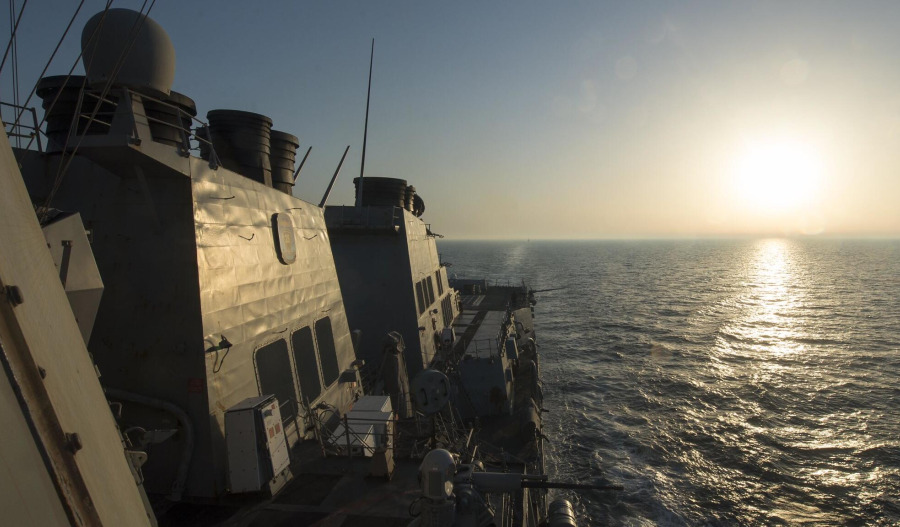
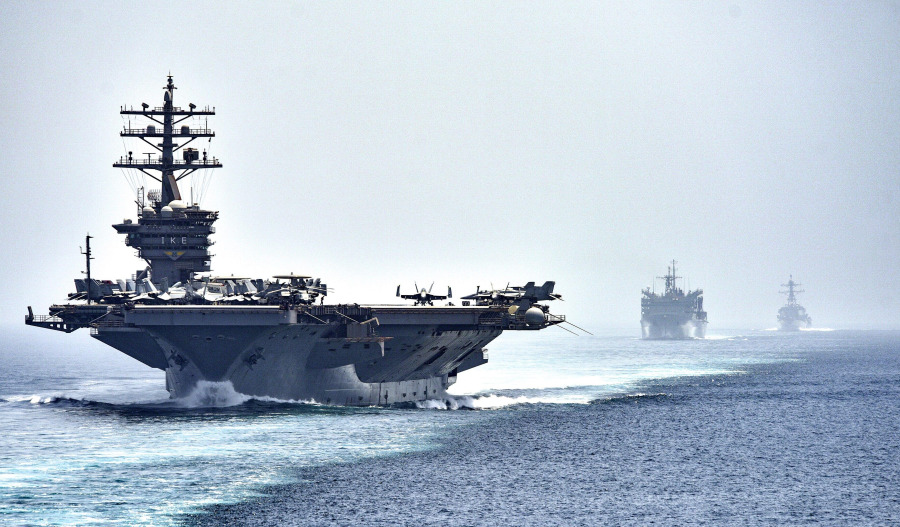
In a Fox News interview, Trump issued a stark warning to Tehran, saying it would be “blown off the face of the earth” if it targeted U.S. ships protecting commercial traffic.

The U.S. military said in a post on X that two American merchant ships had successfully transited the strait, though Iran denied that any such crossings had occurred.
Admiral Brad Cooper, head of U.S. Central Command, told reporters that U.S. forces had eliminated six small Iranian boats attempting to interfere with commercial shipping, according to Reuters. Iranian state media rejected the claim that its vessels had been sunk.
Later, a social media account linked to Iran’s Islamic Revolutionary Guard Corps appeared to confirm responsibility for the attacks on the UAE.
Iran’s unified command issued a warning to commercial shipping, stating that vessels must coordinate with its armed forces. “We have repeatedly said the security of the Strait of Hormuz is in our hands ... We warn that any foreign armed forces, especially the aggressive U.S. Army, will be attacked if they intend to approach and enter the Strait of Hormuz,” it said.
The latest developments mark a sharp deterioration in relations, just weeks after the United States and Israel suspended bombing operations against Iran and initiated diplomatic talks.
While one round of face-to-face discussions has taken place, efforts to organise further meetings have stalled.
Iranian state media reported on Sunday that Washington had conveyed its response to a 14-point proposal from Tehran via Pakistan, with Iranian officials currently reviewing the details. Neither side has disclosed specifics of the proposal.
Iran’s Foreign Minister Abbas Araqchi said recent events highlighted the absence of a military solution to the crisis. In a post on X, he said Pakistan-mediated talks were progressing and warned against further escalation. “Project Freedom is Project Deadlock,” he said.
Saudi Arabia condemned the attacks, stating it stood in solidarity with the UAE and calling on Iran to halt its actions and comply with international law. The kingdom also expressed concern about the growing military escalation and reiterated the need to restore maritime navigation through the Strait of Hormuz.
Separately, shipping giant Maersk confirmed that the Alliance Fairfax, a U.S.-flagged vehicle carrier operated by its Farrell Lines subsidiary, successfully exited the Gulf via the Strait of Hormuz under U.S. military escort, according to Reuters. The company said the transit was completed without incident and that all crew were safe.
The vessel was among hundreds stranded after the effective closure of the strait earlier this year, highlighting the ongoing disruption to global trade routes and energy supplies as tensions in the region intensify.