Iran has warned it will launch “long and painful strikes” against United States positions if Washington renews military attacks, as tensions intensify over the ongoing blockade and closure of the Strait of Hormuz.
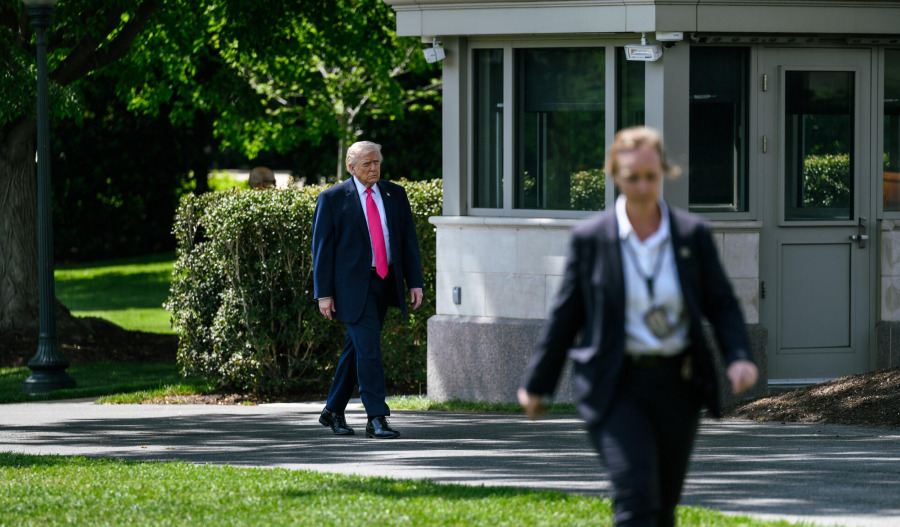
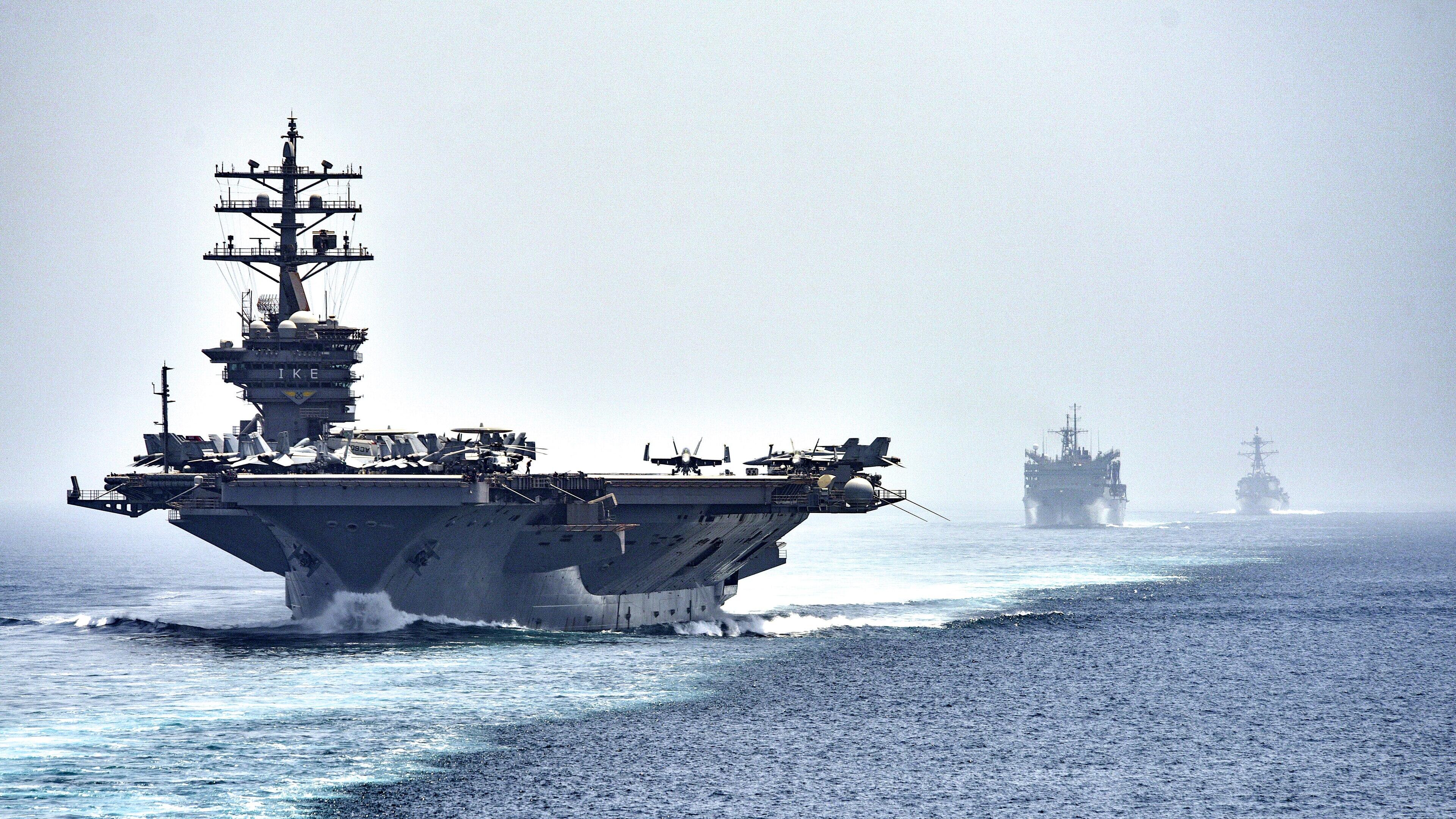
The latest escalation comes as President Donald Trump signalled he is prepared to maintain a U.S. naval blockade of Iran for weeks, insisting it will remain in place until Tehran agrees to a nuclear deal. Iran, however, has refused to reopen the Strait of Hormuz unless the United States withdraws its naval presence, leaving both sides locked in a high-stakes standoff with no clear resolution.
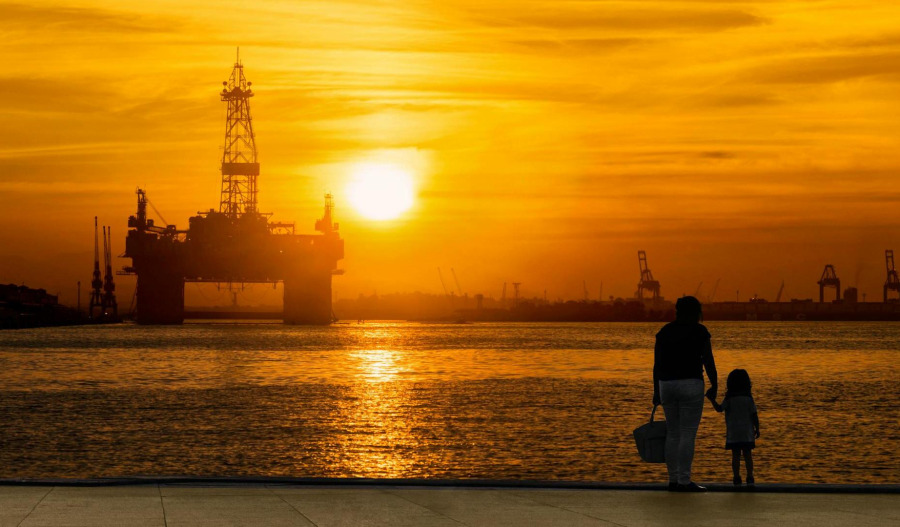
Trump said the pressure from the blockade is already pushing Iran’s oil infrastructure towards breaking point.
“Something happens where it just explodes,” Trump told Fox News. “They say they have only three days left before that happens. When it explodes, you can never rebuild it the way it was.”
Iran responded on Thursday by reiterating its willingness to retaliate if further U.S. strikes occur, while also restating its claim over the strategic waterway. The warning complicates U.S. efforts to build an international coalition aimed at reopening the strait.
Two months into the U.S.-Israeli war with Iran, the Strait of Hormuz remains closed, disrupting roughly 20% of global oil and gas flows.
The supply shock has driven energy prices sharply higher and heightened fears of a broader economic slowdown.
The regional fallout is widening. The United Arab Emirates on Thursday banned its citizens from travelling to Iran, Lebanon and Iraq, and urged those already in those countries to leave immediately, citing deteriorating security conditions.
Trump reiterated that Iran would not be allowed to develop a nuclear weapon and said domestic fuel prices would fall quickly once the conflict ends, noting gasoline costs would “drop like a rock”.
Iranian officials struck a defiant tone. A senior member of the Revolutionary Guards said any renewed U.S. attack, even if limited, would trigger “long and painful strikes” on American positions across the region.
Aerospace Force Commander Majid Mousavi was quoted by Iranian media as saying: “We've seen what happened to your regional bases, we will see the same thing happen to your warships.”

Supreme Leader Mojtaba Khamenei said Tehran would eliminate “the enemies' abuses of the waterway” under a new framework for managing the strait, signalling Iran’s intent to maintain control.
"Foreigners who come from thousands of kilometres away ... have no place there except at the bottom of its waters," he said.
The economic implications are drawing global concern. United Nations Secretary-General Antonio Guterres warned that a prolonged disruption could significantly weaken global growth, fuel inflation, and push millions more into poverty and hunger.
"The longer this vital artery is choked, the harder it will be to reverse the damage," he told reporters in New York.
Trump faces a domestic deadline to either wind down the conflict or seek congressional approval for an extension, though analysts expect the administration may pursue a 30-day extension or bypass the requirement altogether.
While Trump described Iran’s economy as “a disaster”, analysts suggest Tehran may be able to endure the standoff longer than anticipated despite the severe hit to its energy exports.
The conflict has already seen Iran launch drones and missiles targeting Israel, U.S. bases and infrastructure, as well as U.S.-linked companies in Gulf states.
Meanwhile, Washington is weighing a range of strategic options, including extending the blockade, declaring a unilateral victory, or potentially deploying ground forces to secure parts of the strait and reopen it to commercial shipping.
Diplomatic efforts continue in parallel. The US is preparing to invite partner nations to join a proposed maritime coalition, known as the Maritime Freedom Construct, aimed at safeguarding shipping through the strait. However, countries including France and Britain have indicated they would only participate once hostilities subside.
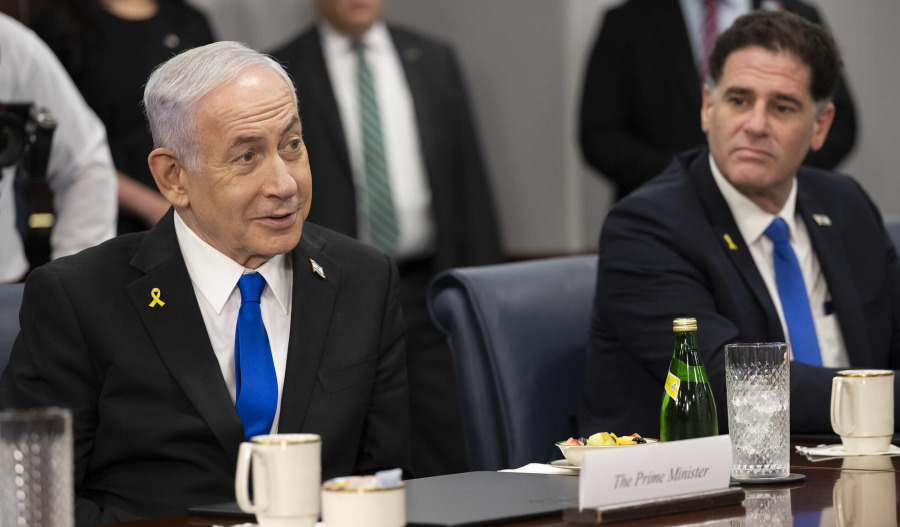
Iranian Foreign Minister Abbas Araqchi said discussions with Lebanese officials underscored that halting Israeli operations in Lebanon remains a key component of any broader ceasefire framework between Iran and the United States.
Behind the scenes, mediators including Pakistan are attempting to prevent further escalation, as both Washington and Tehran continue to exchange messages over the possibility of a negotiated settlement.