Oil prices edged lower in Asian trade on Monday after United States President Donald Trump said Washington would assist ships stranded in the Strait of Hormuz, although ongoing tensions with Iran continued to support prices above the US$100 level.
By 2:50 pm AEST (4:50 am GMT), Brent crude futures slipped 12 cents, or 0.1%, to $108.05 per barrel, while U.S. West Texas Intermediate crude fell 38 cents, or 0.4%, to $101.56 per barrel.
The modest decline followed Trump’s post on Truth Social that the United States would begin efforts to guide vessels safely through the strategically vital waterway, which has been heavily disrupted amid the ongoing conflict with Iran.
Despite the move, the absence of a peace agreement and continued constraints on shipping flows have kept oil markets elevated.
Negotiations between the United States and Iran continued over the weekend, with both sides reviewing responses to recent proposals.
While Trump has prioritised securing a nuclear agreement with Tehran, Iran has indicated it prefers to delay nuclear discussions until after the conflict ends and shipping blockades in the Gulf are lifted.

Analysts at ANZ warned that supply disruptions are likely to persist, maintaining upward pressure on prices.
"As supply losses persist with the Strait of Hormuz closed and the demand response muted, an eventual market reckoning via higher prices or product shortages appears inevitable.
The Middle East conflict has triggered unprecedented supply disruptions – cutting Persian Gulf production by more than 10mb/d, pushing cumulative losses towards 1bn barrels and driving record global inventory drawdowns – which, if the Strait of Hormuz remains closed, risks extending an asymmetric and lingering supply crisis into late 2026 and 2027 despite a gradual recovery assumption.
Even if the acute oil shock fades by late 2026, the persistent risk of renewed disruption in the Strait of Hormuz, partial and asymmetric supply recovery, and exhausted inventories is expected to keep a geopolitical premium embedded in prices, holding Brent above USD90/bbl through 2026 and around USD80–85/bbl into 2027 as demand growth resumes.”
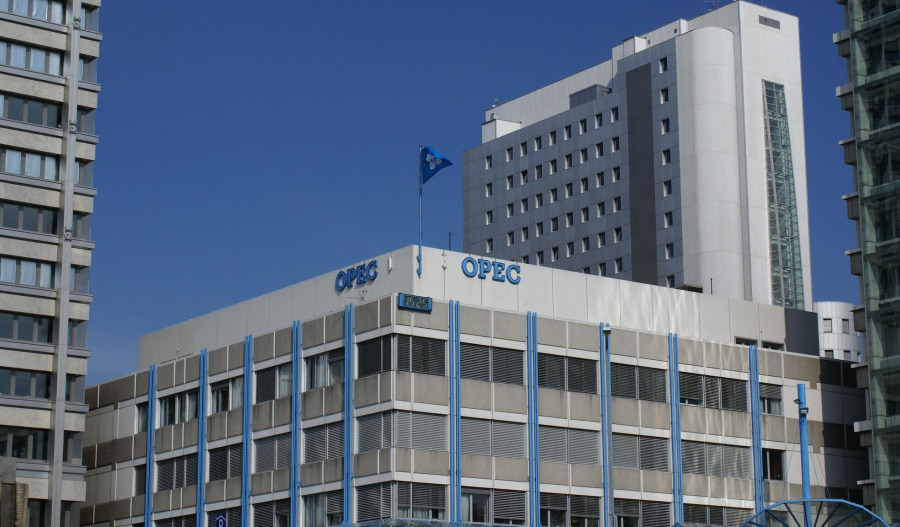
Meanwhile, the Organization of the Petroleum Exporting Countries and its allies, known as OPEC+, said on Sunday that it would increase output targets by 188,000 barrels per day in June for seven member countries, marking the third consecutive monthly rise.
The increase mirrors the adjustment made for May, excluding the contribution from the United Arab Emirates following its exit from OPEC on 1 May.
However, the additional supply is expected to remain largely theoretical as long as the conflict continues to disrupt production and transport through the Strait of Hormuz.