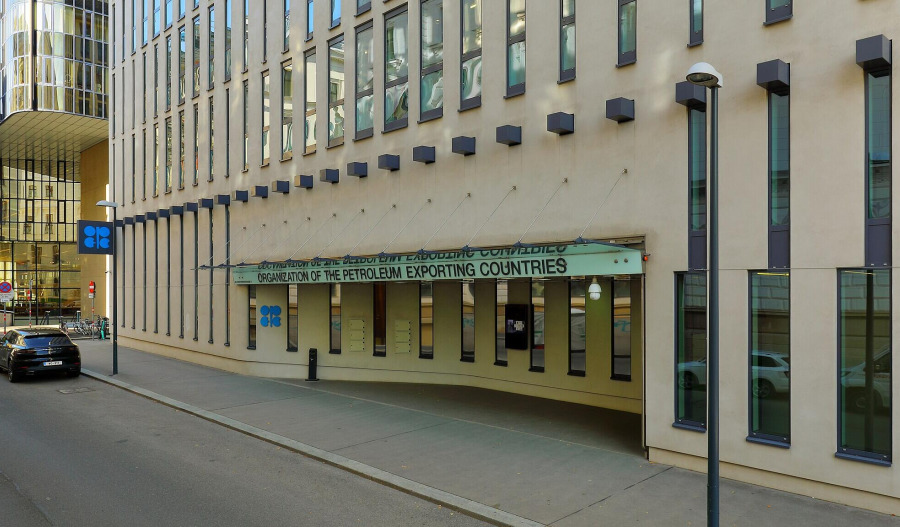
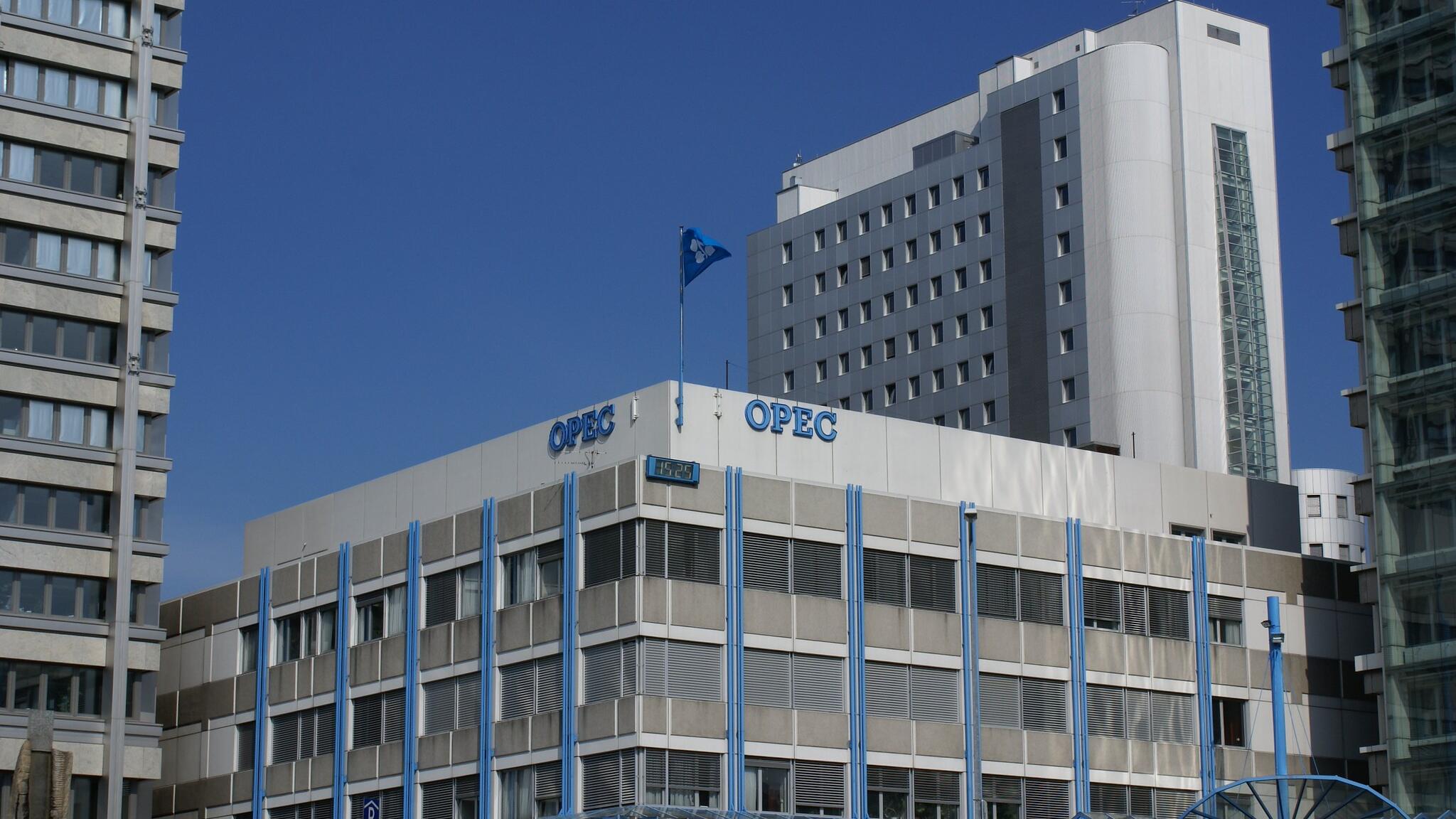
The Organization of the Petroleum Exporting Countries plus allies (OPEC+) has agreed to raise its oil output by 188,000 barrels per day for June in its first meeting after the United Arab Emirates left the bloc, though its members’ production has flagged amid the Iran war.
The UAE, OPEC’s third-largest oil producer, exited last week. June’s increase will be lower than May’s production hike of 206,000 barrels per day, and excludes the UAE’s share.
“In their collective commitment to support oil market stability, the seven participating countries decided to implement a production adjustment of 188 thousand barrels per day,” wrote OPEC+.
“The countries will continue to closely monitor and assess market conditions,” according to the bloc, and “reaffirmed the importance of adopting a cautious approach and retaining full flexibility to increase, pause or reverse the phase out of” previous output adjustments.

The statement did not reference the UAE’s exit. OPEC+ has yet to publicly respond to its departure.
OPEC+’s June production quotas would be far above current production levels for some countries. Output has slowed across the Gulf during the Iran war, as the Strait of Hormuz remains closed.
Saudi Arabia’s June quota would be 10.291 million barrels per day, compared with the 7.76 million barrels per day it produced in March. Total OPEC+ production was 35.06 million barrels per day that month, falling 7.7 million from February.
Oil prices were lower as of 9 am AEST, with Brent crude down 0.8% to US$107.30 per barrel. Prices reached a four-year high of more than $126 per barrel on Thursday.