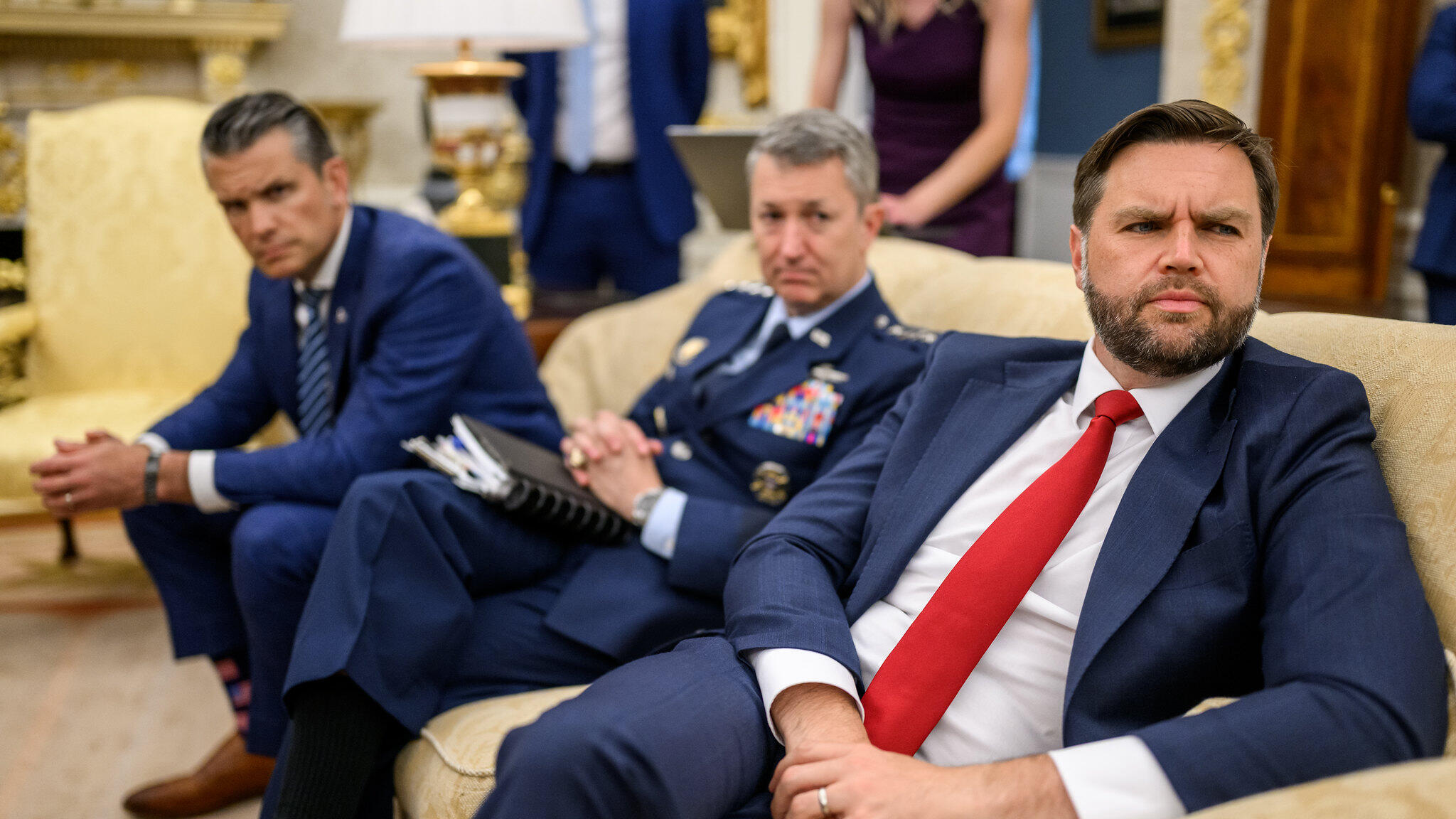
United States Defence Secretary Pete Hegseth said the fragile ceasefire between the United States and Iran remains in effect, despite renewed exchanges of fire and escalating tensions in the Strait of Hormuz.
Speaking at a Pentagon briefing on Tuesday, Hegseth insisted that recent incidents did not signal a breakdown in the truce. “The ceasefire is not over,” he said, addressing reporters following Iranian attacks on U.S. forces and commercial vessels under American protection.
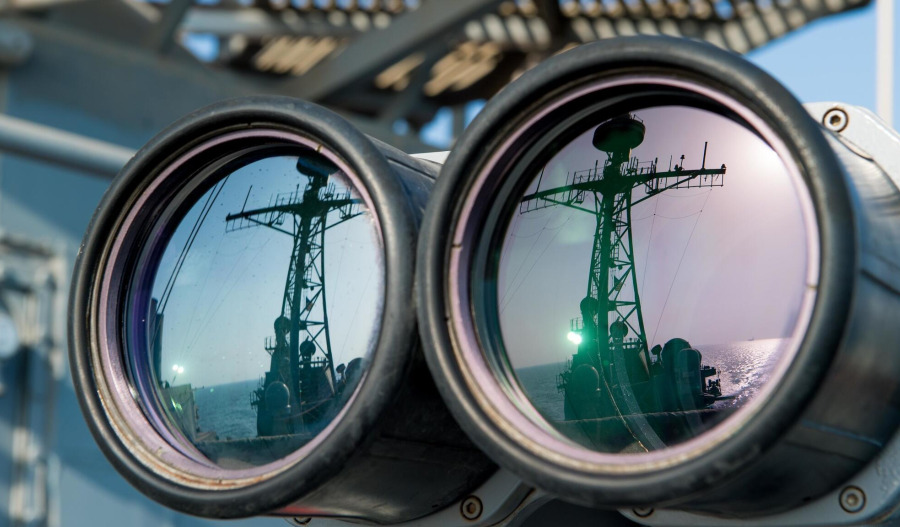
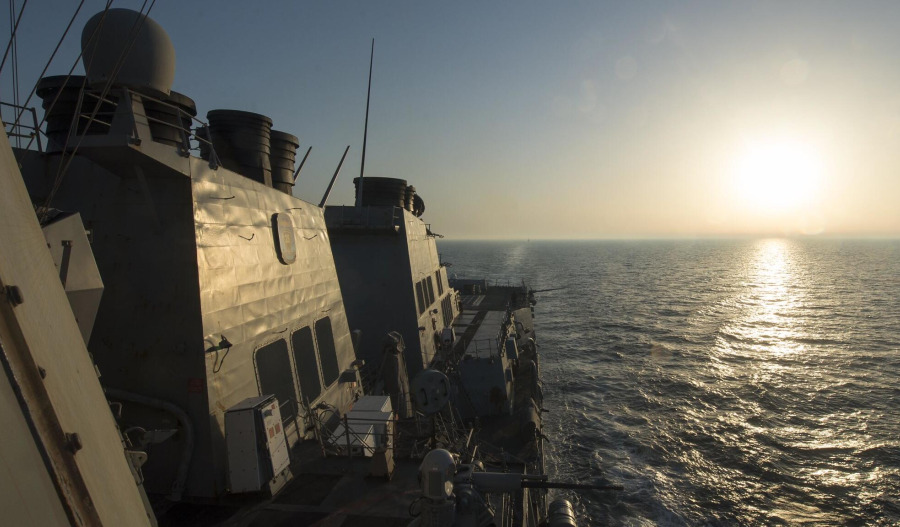
The flare-up came after the United States launched “Project Freedom”, an operation aimed at escorting commercial ships stranded in the Persian Gulf since the conflict began on 28 February.
The initiative is designed to restore safe passage through the Strait of Hormuz, a critical artery for global energy supplies.
Hegseth noted that the maritime operation is separate from the broader confrontation with Iran over its nuclear programme. “Ultimately, this is a separate, distinct project,” he said, adding, “We expected there would be some churn at the beginning, which happened. And we said we would defend and defend aggressively, and we absolutely have.”
He reiterated that the United States would respond firmly to any threats while urging Tehran to avoid further escalation. “This is about the straits. This is about freedom of navigation. This is about international waterways. This is about free flow of commerce,” Hegseth said, noting that “only Iran is contesting” these principles.
“So, right now, the ceasefire certainly holds, but we're going to be watching very, very closely.”
Chairman of the Joint Chiefs of Staff, General Dan Caine, said Iran had fired on commercial vessels nine times since the ceasefire was announced on 7 April, seized two container ships, and attacked U.S. forces more than ten times.
However, he noted that these actions remain “all below the threshold of restarting major combat operations at this point.”
U.S. officials continued efforts to stabilise the situation while advancing plans to reopen the vital shipping corridor.

According to reporting from Reuters, Secretary of State Marco Rubio described the mission to escort tankers as defensive in nature, stating: "There's no shooting unless we're shot at first."
Rubio added that the United States had completed its immediate military objectives. "Operation Epic Fury is concluded," he said. "We're not cheering for an additional situation to occur."
The Strait of Hormuz has been largely closed since the outbreak of hostilities, disrupting global supply chains and pushing up commodity prices.
Iran has effectively restricted access by threatening to deploy mines, drones, missiles and fast-attack vessels, while the U.S. has responded with naval escorts and blockades of Iranian ports.
Tensions remained elevated as the United Arab Emirates (UAE) reported a fresh wave of Iranian missile and drone strikes. The UAE’s foreign ministry described the attacks as a serious escalation and warned it reserved its “full and legitimate right” to respond.
Iran rejected the accusation, with its foreign ministry stating that its actions were solely aimed at countering what it described as American aggression.
Meanwhile, Iran’s Revolutionary Guards issued warnings to vessels navigating the strait, instructing them to remain within designated corridors or face a “decisive response”.
Despite the volatility, U.S. officials said progress was being made in reopening the route. Hegseth stated that a secure passage had been established, with hundreds of commercial ships preparing to transit the strait.
The CS Anthem chemical tanker exited the Strait of Hormuz on Monday, its operator said on Tuesday, becoming the second commercial U.S.-flagged vessel known to do so under the escort of U.S. military assets.
Earlier, shipping giant Maersk confirmed that one of its vessels, the Alliance Fairfax, successfully navigated the Strait of Hormuz under U.S. military escort.
The U.S.-flagged ship, operated by Farrell Lines, completed the journey without incident, with all crew members reported safe.