Oil prices climbed more than 1% on Friday after renewed fighting between the United States and Iran raised concerns over the stability of the fragile ceasefire agreement and undermined hopes for the reopening of the Strait of Hormuz.
By 3:20 pm AEST, Brent crude futures had risen US$1.22, or 1.2%, to US$101.28 per barrel, while West Texas Intermediate crude futures gained 98 cents, or 1%, to $95.80 per barrel.
The rebound snapped a three-session decline driven by earlier reports that Washington and Tehran were nearing an agreement that could end the conflict and reopen the strategically important shipping route, while postponing broader disputes surrounding Iran’s nuclear program.
Despite Friday’s gains, both benchmark contracts remained on track to post weekly declines of around 6%.
ANZ analysts said renewed uncertainty over negotiations had fuelled volatility across energy markets.

“Crude oil prices suffered a rollercoaster rise as doubts emerged over U.S.-Iran peace negotiations. The U.S. is still waiting for Iran to respond to its proposal to reopen the Strait of Hormuz and end the conflict that has upended the global oil market.
"Iran’s leaders have yet to indicate whether they will accept the terms of the one-page memorandum of understanding that would lead to the gradual reopening of the strait.
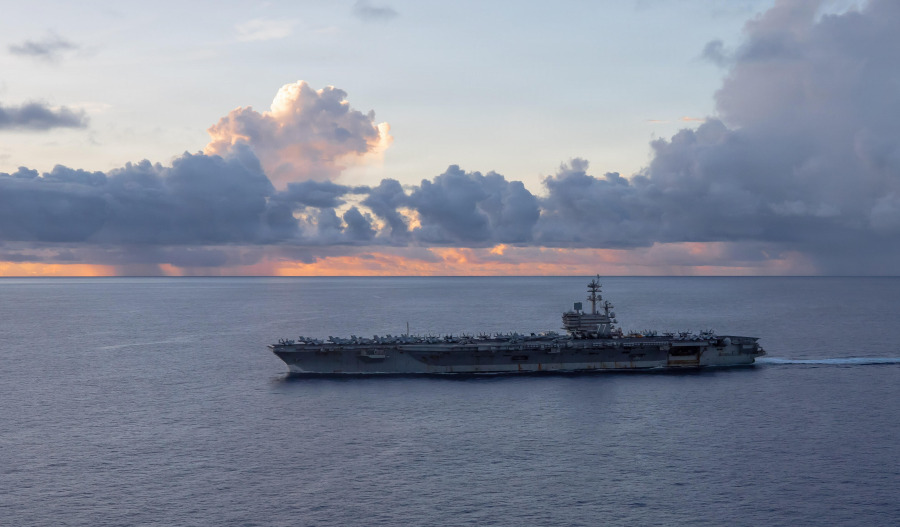
"However, doubts emerged after the Wall Street Journal reported that the U.S. is looking to restart an operation guiding commercial vessels through the strait. That triggered a strong reaction, with Iran subsequently attacking U.S. warships and energy infrastructure in the United Arab Emirates.”
Despite the renewed exchange of fire, President Donald Trump later told reporters that the ceasefire agreement remained in place.
Separately, Reuters reported that the U.S. Commodity Futures Trading Commission (CFTC) is investigating approximately $7 billion worth of oil trades placed ahead of key Iran war-related announcements by President Trump.
According to the report, many of the trades involved short positions on the Intercontinental Exchange and Chicago Mercantile Exchange before Trump’s statements delaying military attacks or announcing ceasefire measures, both of which contributed to falling oil prices.