The Federal Reserve held its benchmark interest rate unchanged on Wednesday (Thursday AEST), however, policymakers revealed an unusually high level of dissent amid growing divisions over how to respond to persistent inflation and an uncertain economic outlook.
In what may mark Chair Jerome Powell’s final meeting leading the central bank, the Federal Open Market Committee voted 8-4 to keep the federal funds rate within a range of 3.5% to 3.75%. Financial markets had fully anticipated the decision, pricing in a near certainty that rates would remain unchanged.
However, four officials dissented — the highest level of dissent since October 1992.
Governor Stephen Miran again dissented in favour of a quarter-percentage-point rate cut, maintaining the position he has held since joining the Board in September 2025.
In contrast, Cleveland Fed President Beth Hammack, Minneapolis Fed President Neel Kashkari, and Dallas Fed President Lorie Logan supported holding rates steady but opposed language in the official statement that suggested a potential easing bias.
At the centre of the disagreement was a key sentence in the post-meeting FOMC statement: “In considering the extent and timing of additional adjustments to the target range for the federal funds rate, the Committee will carefully assess incoming data, the evolving outlook, and the balance of risks.”
The use of the word “additional” implied that future moves could involve further rate cuts, a stance that drew opposition from policymakers concerned that inflation risks remain elevated.
Several officials, including those who dissented, have repeatedly warned that sustained price pressures could necessitate keeping rates higher for longer.
The Fed acknowledged these concerns in its statement, noting that “Inflation is elevated, in part reflecting the recent increase in global energy prices”.
Rising oil prices, driven by geopolitical tensions and supply disruptions, have complicated the central bank’s policy calculus. While such shocks are typically viewed as temporary, their persistence has raised fears of longer-term inflationary effects on consumers and businesses.

The decision marked the third consecutive meeting in which the Fed has left rates unchanged, following a series of three rate cuts in 2025. Despite those earlier moves, inflation has remained above the central bank’s 2% target, while labour market conditions have shown resilience.
Recent data points to a still-stable employment backdrop. Nonfarm payrolls rose by a stronger-than-expected 178,000 in March, while the unemployment rate edged down to 4.3%.
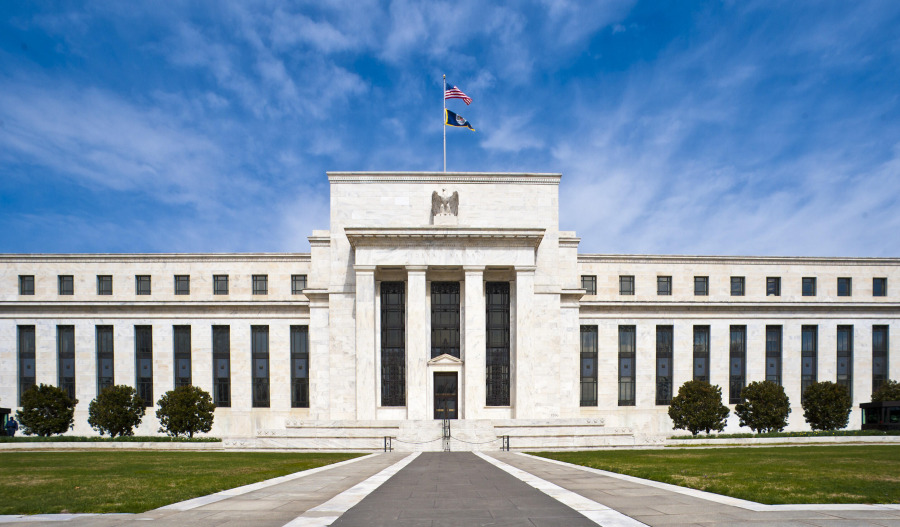
Beyond the policy decision, attention has also turned to leadership developments at the central bank. Powell confirmed that he intends to remain on the Board of Governors for an unspecified period after his term as chair ends on 15 May, citing an ongoing investigation into renovations at the Fed’s headquarters.
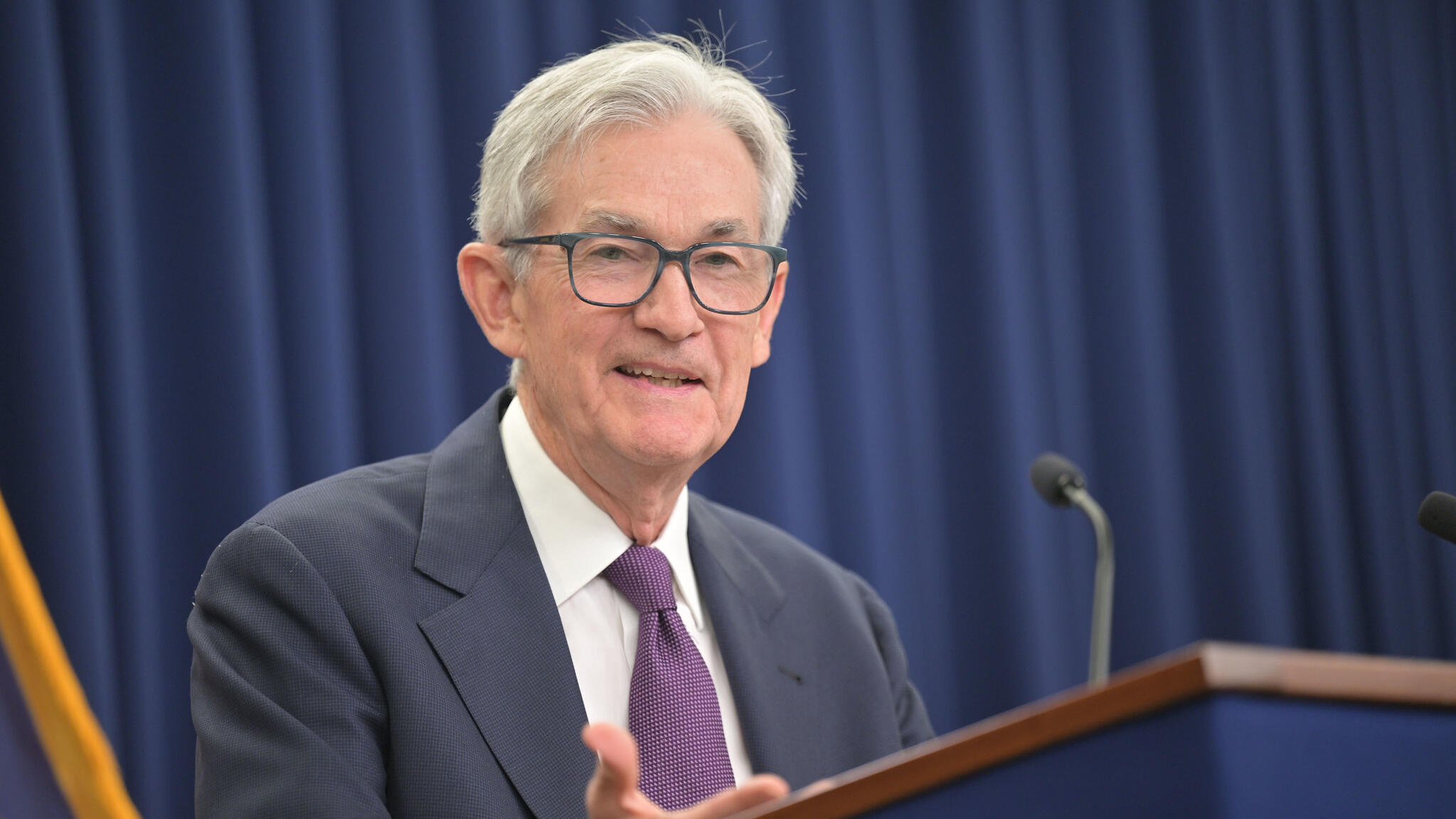
“I’ve said that I will not leave the board until this investigation is well and truly over with transparency and finality, and I stand by that. I’m encouraged by recent developments, and I’m watching the remaining steps in this process carefully,” Powell said near the beginning of his post-meeting news conference.
“My decisions on these matters will continue to be guided entirely by what I believe is in the best interest of the institution and the people we serve after my term as chair ends on May 15, and will continue to serve as a governor for a period of time to be determined,” he added.
Powell’s decision to remain temporarily limits President Donald Trump’s ability to secure a majority among his appointees on the seven-member Board of Governors.
Currently, Trump’s nominees include Christopher Waller and Michelle Bowman, while Stephen Miran is expected to depart once Kevin Warsh — Trump’s pick to succeed Powell — is confirmed.
Earlier on Wednesday, the Senate Banking Committee advanced Warsh’s nomination along party lines, with the full Senate widely expected to approve his appointment.
If confirmed, Warsh would oversee the next phase of U.S. monetary policy amid ongoing inflation challenges and shifting economic conditions.
Despite the heightened internal divisions, Powell struck a measured tone, congratulating Warsh during the press conference and signalling continuity in the Fed’s institutional approach.