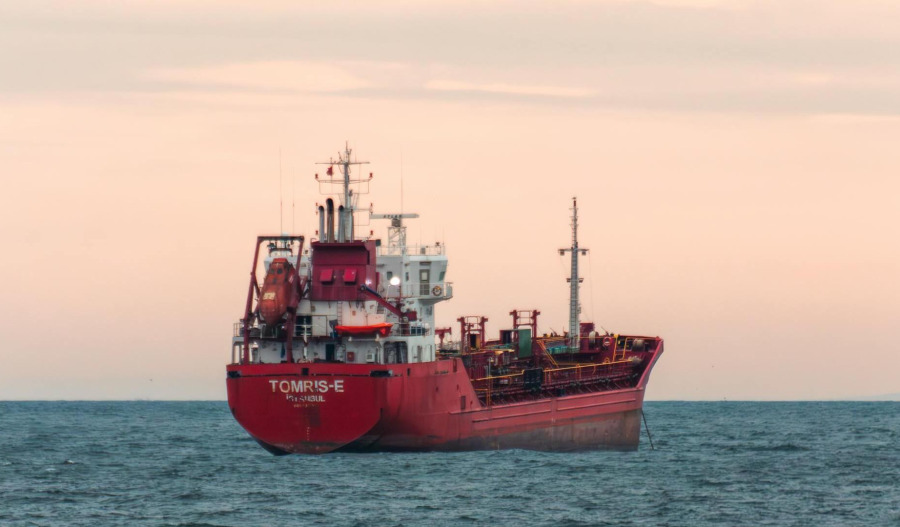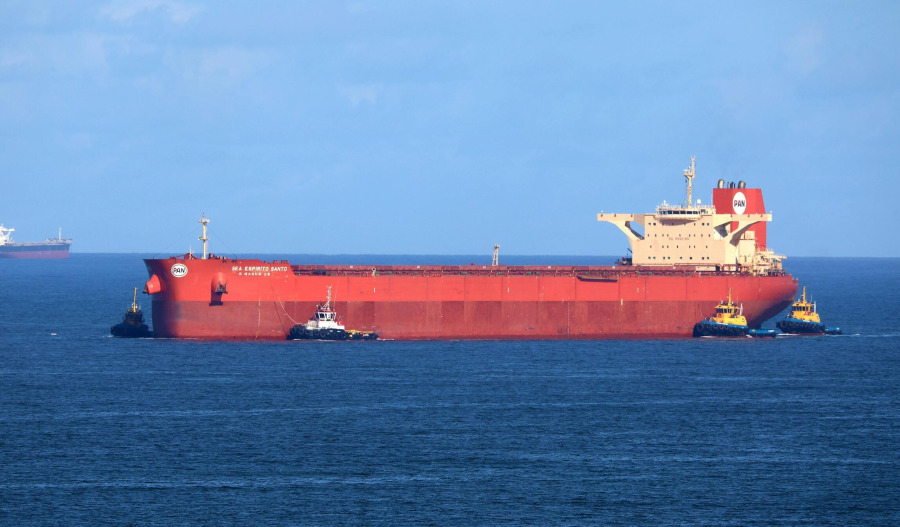
The United States has eased sanctions on Russian oil and petroleum in an attempt to curb the economic impact of the U.S.-Iran war.
U.S. Treasury Scott Bessent said this would be a temporary measure to "promote stability in global energy markets" during the war.
The move will last until 11 April.
"This narrowly tailored, short-term measure applies only to oil already in transit and will not provide significant financial benefit to the Russian government," Bessent said.
In the past, the U.S. has banned countries from buying oil from Russia, even going as far as to impose hefty tariffs on countries like India that refused to comply with the sanctions.
This comes as attacks on energy and infrastructure in the Gulf and the closure of the Strait of Hormuz rocked global energy markets.
Around 25% of the world’s oil travels through the strait, and the war has caused the price of crude oil to surpass US$100 per barrel.

Stock markets also fell after three more cargo vessels were hit in the Gulf and Iran’s new supreme leader vowed to keep blocking the strait.
Authorities have taken the issue into their own hands. This includes the International Energy Agency (IEA), which said it would release a record 400 million barrels of oil.
Governments in Asia, which are major buyers from the Gulf, also announced a slew of measures in recent days.
For example, the Philippines, which gets 95% of its crude oil from the Middle East, has encouraged workers to switch to a four-day work week to save on fuel.
Japan, South Korea and Thailand have announced price caps on petrol.
This is the first time in over three decades that South Korea has imposed a petrol price cap.
"The temporary increase in oil prices is a short-term and temporary disruption that will result in a massive benefit to our nation and economy in the long-term," Bessent said.
Trump has repeatedly said the war will be over soon.