South Korea has imposed a fuel price cap for the first time in over three decades after oil prices skyrocketed due to the war in Iran.
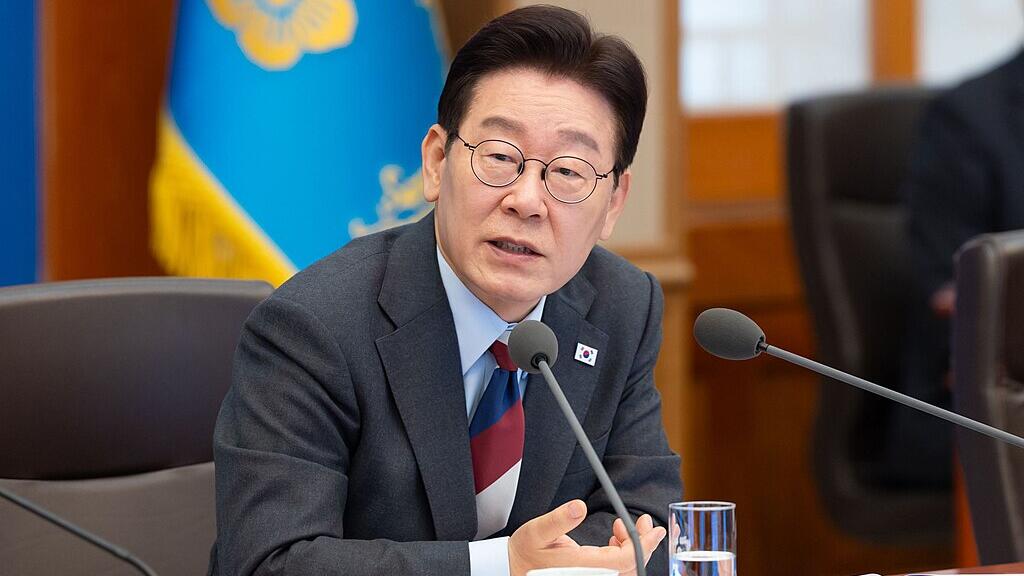
President Lee Jae Myung said the government would “swiftly introduce” a fuel cap price and that Seoul would explore ways to diversify its energy import sources.
“We must swiftly introduce and boldly implement a maximum price system for petroleum products, which have recently seen excessive price increases,” Lee said.
South Korean media outlet Yonhap said that the average price of gasoline in Seoul crossed 1,9000 won (US$1.28) per litre on Friday, for the first time in four years, before rising further to 1,945 won on Sunday.
“We need corresponding emergency measures. We should cooperate with strategic partners to swiftly identify alternative supply lines that do not transit the Strait of Hormuz,” Lee said.

South Korea imports nearly every barrel for consumers and is implementing the price cap as an act of pre-emptive self-defence.
Lee also said that the conflict in the Middle East was placing “a considerable burden on our economy, which relies heavily on global trade and energy imports”.
The South Korean President also warned that the government’s existing 100 trillion won financial market stabilisation package, designed to inject liquidity into strained money markets, might need to be expanded.
This comes as the South Korean won hit its weakest level against the U.S. dollar since 3 March 2009, reaching an intraday high of 1,506.37, before strengthening to 1,457 the next day and weakening again from there.
Oil prices surged to nearly US$120 per barrel amid fears of a prolonged supply disruption, before sharply falling after U.S. President Donald Trump raised hopes that the war would end soon.