Oil prices traded slightly higher during Asian trading on Friday after the United States issued a temporary licence allowing countries to purchase Russian oil and petroleum products currently stranded at sea, easing some concerns about tight global supplies.
By 2:45 pm AEDT (3:45 am GMT), Brent crude futures were down 10 cents, or 0.1%, at US$100.36 per barrel, while US West Texas Intermediate crude slipped 34 cents, or 0.4%, to US$95.39 per barrel.
Both benchmarks had surged more than 9% in the previous session, reaching their highest levels since August 2022 as escalating tensions in the Middle East heightened fears of major supply disruptions.
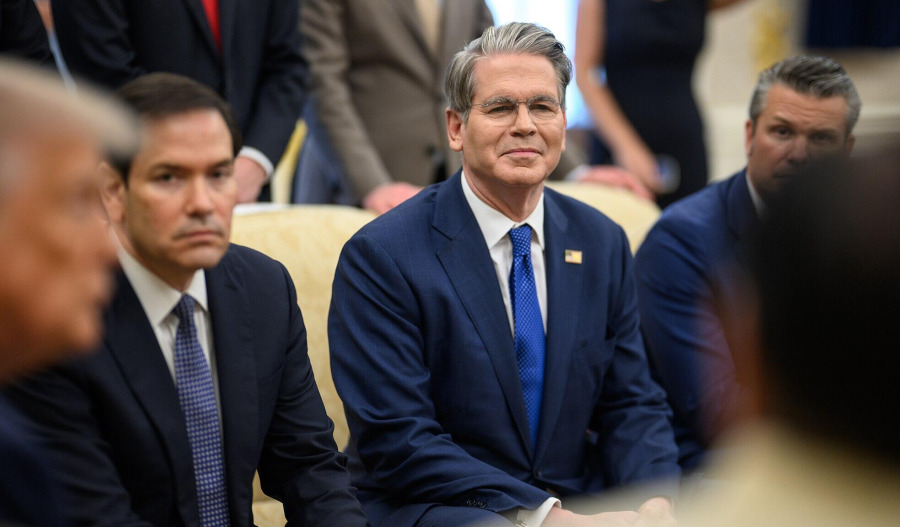
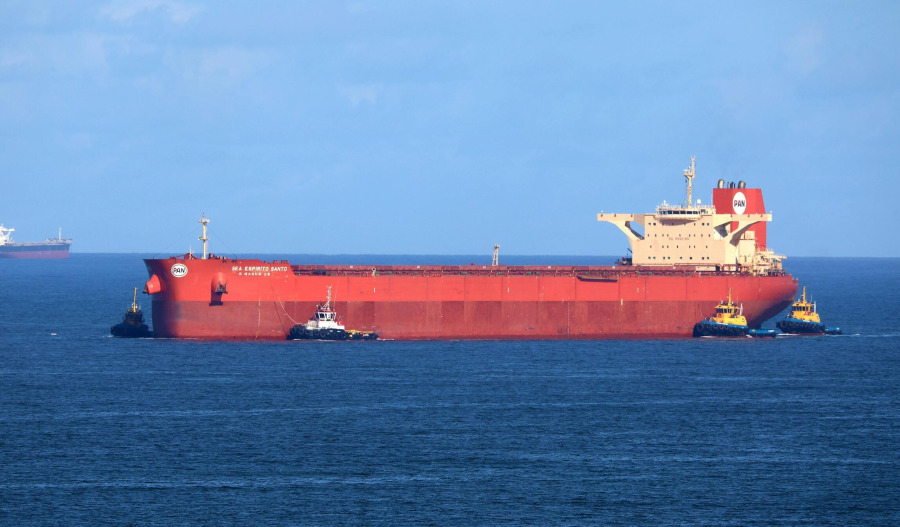
The U.S. licence, which allows the purchase of Russian oil cargoes currently stuck at sea for a period of 30 days, was issued in what Treasury Secretary Scott Bessent described as a measure designed to stabilise global energy markets shaken by the ongoing war involving Iran.
The move came a day after the International Energy Agency (IEA) agreed to release a record 400 million barrels of oil from strategic reserves in an attempt to ease the supply shock created by the conflict. The United States alone will contribute 172 million barrels to the coordinated release.
However, any relief from the emergency stockpile release proved short-lived as geopolitical tensions intensified again across the Middle East.

Iran’s newly appointed Supreme Leader, Mojtaba Khamenei, reiterated that Tehran intends to continue the conflict and keep the Strait of Hormuz closed, using the strategic waterway as leverage against the United States and Israel.
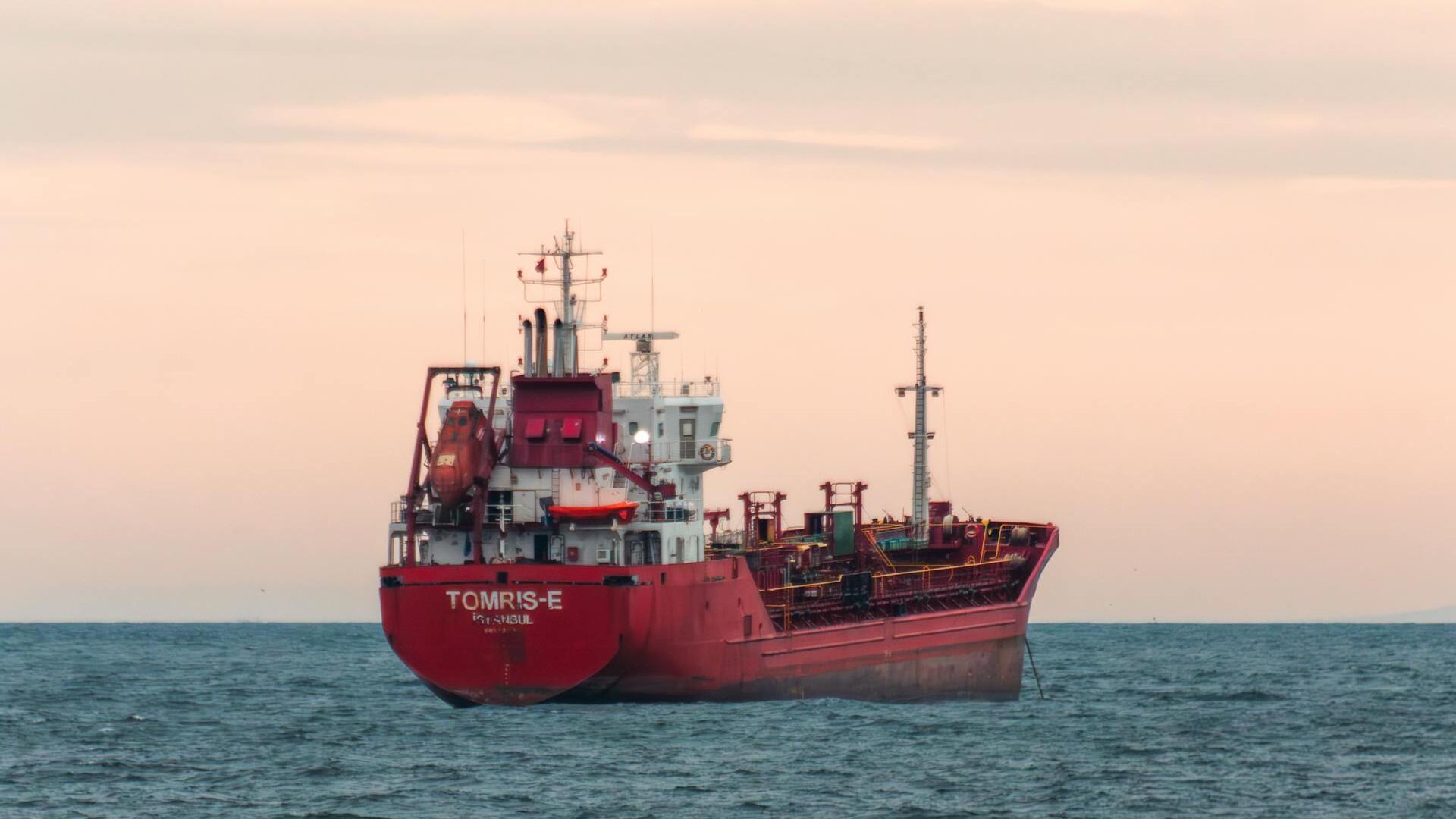
Security risks in the region escalated further on Thursday after Iraqi officials reported that two fuel tankers in Iraqi waters were struck by explosive-laden Iranian boats.
An Iraqi official also told state media that the country’s oil export ports have completely halted operations following the attacks, adding to fears of further disruptions to global supply.
Elsewhere in the region, Oman has reportedly moved all vessels away from its main oil export terminal at Mina Al Fahal, located outside the Strait of Hormuz, in a precautionary measure as the conflict intensifies, according to a Bloomberg report.
U.S. Treasury Secretary Scott Bessent also said in an interview with Sky News that the United States Navy, potentially alongside an international coalition, could escort commercial vessels through the Strait of Hormuz when conditions allow.
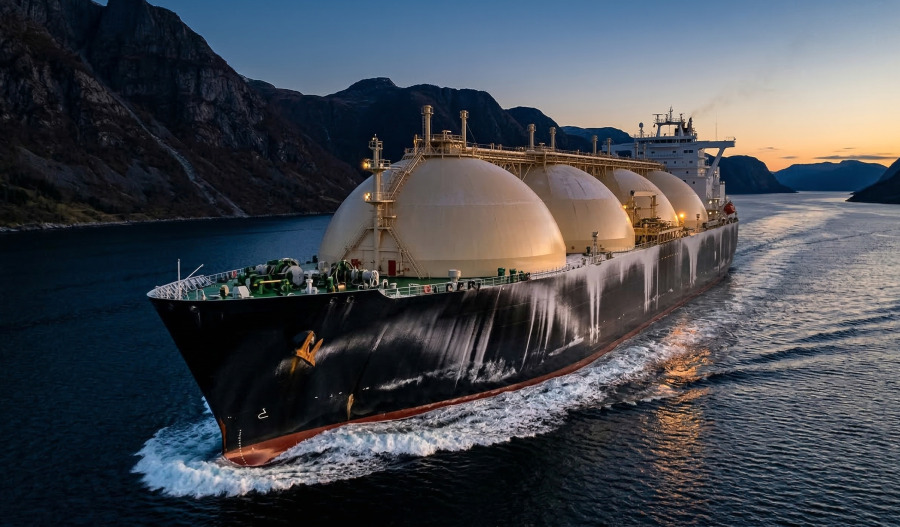
Meanwhile, Saudi Arabia is reportedly paying a premium to reroute oil shipments through the Red Sea, using its East-West pipeline to transport crude across the kingdom to alternative export terminals in an effort to maintain supply to global markets.