Donald Trump has warned that the United States could target Iran’s critical energy infrastructure if a deal is not reached to reopen the Strait of Hormuz, escalating tensions as the conflict enters its fifth week.
Trump said Washington would act decisively if the strategically vital waterway is not reopened “immediately” and negotiations fail to deliver a resolution “shortly”.
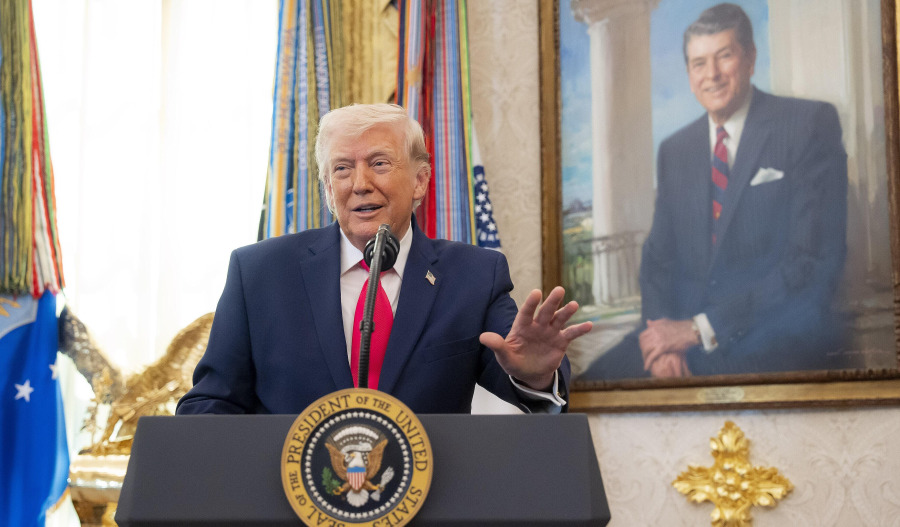
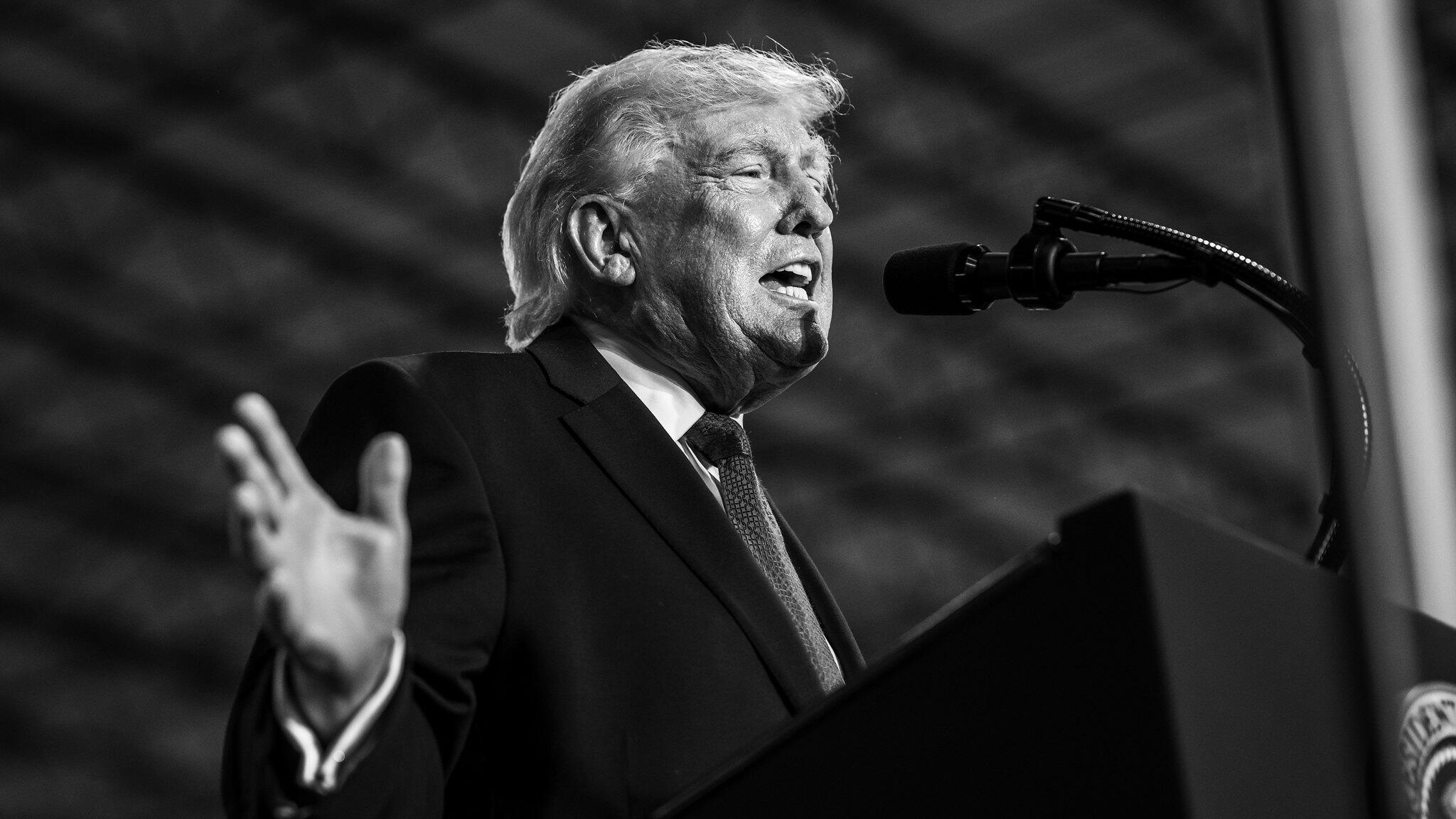
“The United States of America is in serious discussions with A NEW, AND MORE REASONABLE, REGIME to end our Military Operations in Iran,” Trump said in a post on Truth Social.
“Great progress has been made but, if for any reason a deal is not shortly reached, which it probably will be, and if the Hormuz Strait is not immediately ‘Open for Business,’ we will conclude our lovely ‘stay’ in Iran by blowing up and completely obliterating all of their Electric Generating Plants, Oil Wells and Kharg Island (and possibly all desalinization plants!), which we have purposefully not yet ‘touched’.”
The remarks come as the Trump administration weighs further military options, including the potential deployment of ground forces to seize Kharg Island, a critical hub that underpins Iran’s oil export capacity.
Kharg Island is estimated to handle around 90% of Iran’s crude exports, with a loading capacity of approximately 7 million barrels per day.
Tankers departing the facility typically pass through the Strait of Hormuz, a narrow maritime corridor that carries a significant share of global oil shipments.

Shipping activity through the strait has effectively stalled since late February, when U.S. and Israeli strikes on Iran triggered retaliatory actions from Tehran, including attacks on vessels attempting to transit the passage.
Iran has yet to respond directly to Trump’s latest comments. Earlier, a spokesperson for the country’s foreign ministry described a U.S. 15-point proposal to end the conflict as “excessive and unreasonable”, while Iranian leaders have denied engaging in direct negotiations with Washington.
Trump had previously indicated he would pause attacks on Iranian energy infrastructure for 10 days, setting a deadline of 6 April for progress on reopening the waterway.
The geopolitical standoff has coincided with a sharp rise in oil prices, with Brent crude on track for its largest monthly increase on record.
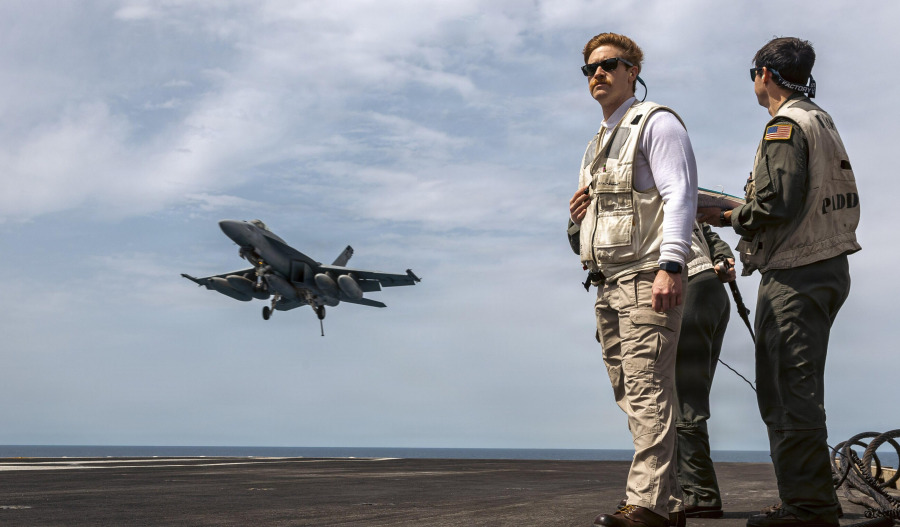
Meanwhile, the United States has begun reinforcing its military presence in the region. Thousands of troops from the 82nd Airborne Division have reportedly started arriving in the Middle East, according to U.S. officials cited by Reuters.
The deployment includes elements of the division’s headquarters, logistics and support units, as well as a brigade combat team.
The forces are joining additional sailors, Marines and special operations personnel already positioned in the region, including approximately 2,500 Marines who arrived over the weekend.
While no final decision has been made to deploy troops to Iran, officials indicated the buildup is intended to expand operational readiness and provide flexibility for potential future actions.