United States President Donald Trump on Thursday said he would extend a temporary halt on attacks targeting Iran’s energy infrastructure by 10 days, pushing the deadline to 6 April following a request from Tehran.
The decision delays further escalation in the conflict as Washington signals its preference for a negotiated resolution, while disruptions to global oil flows persist due to the near closure of the Strait of Hormuz.
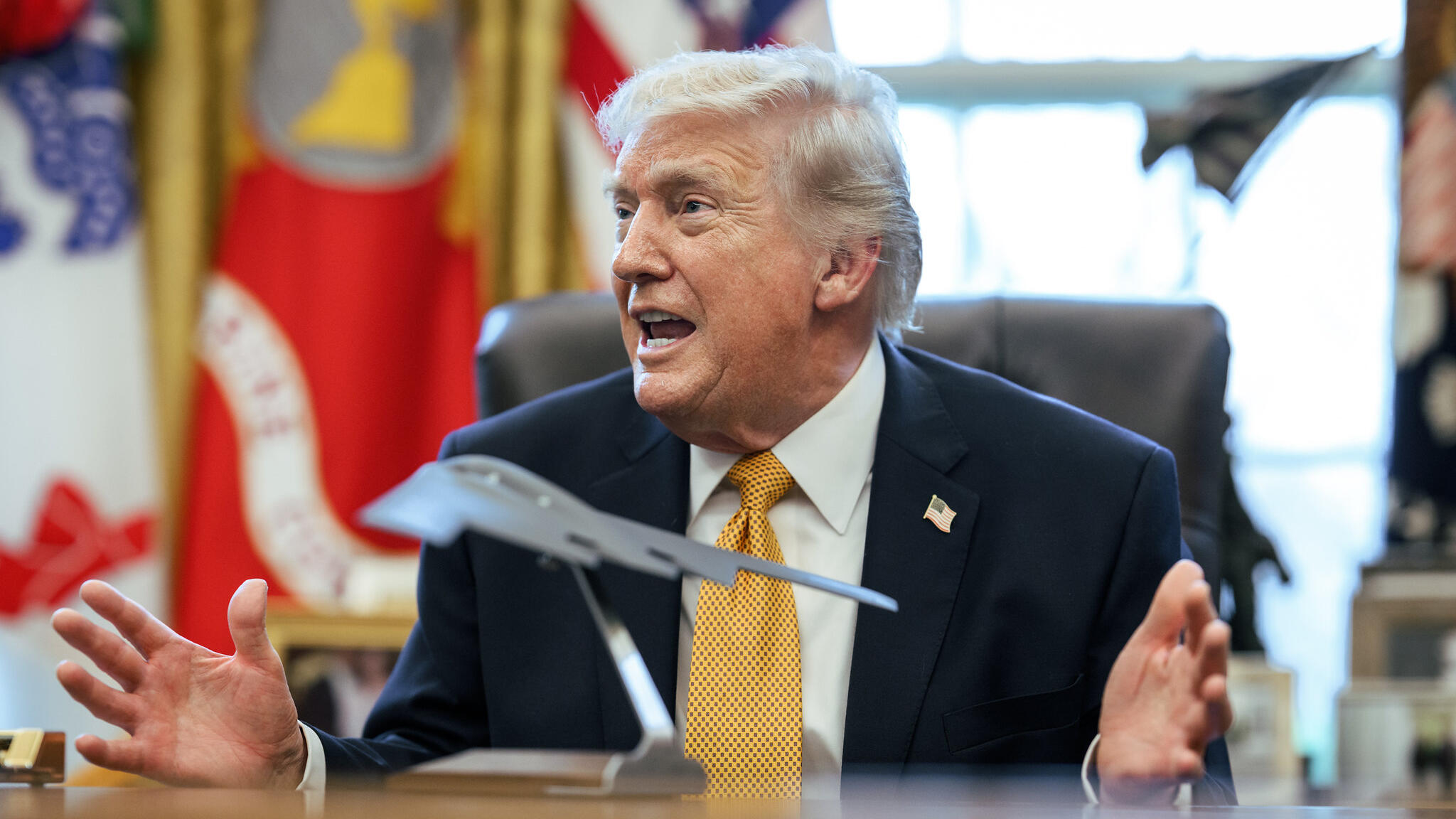
Trump announced the extension in a post on Truth Social, stating: “As per Iranian Government request, please let this statement serve to represent that I am pausing the period of Energy Plant destruction.”
“Talks are ongoing and, despite erroneous statements to the contrary by the Fake News Media, and others, they are going very well."
The initial five-day pause, which covered U.S. strikes on Iran’s power plants and energy facilities, had been set to expire on Friday after being introduced earlier in the week.
The ongoing conflict has significantly disrupted energy markets, with Iran effectively restricting shipping through the Strait of Hormuz, a critical artery for global crude flows.
The supply constraints have driven a sharp rise in oil prices, adding to volatility across financial markets.
In a separate development, Trump said Iran had allowed a limited number of oil shipments to pass through the strait as a gesture towards the United States.
“They said, ‘To show you the fact that we’re real and solid and we’re there, we’re going to let you have eight boats of oil ... and they’ll sail up tomorrow,’” Trump said during a Cabinet meeting.

He added: “They then apologised for something they said, and they said, ‘We’re going to send two more boats.’ And [it] ended up being 10 boats.”
The remarks clarified earlier comments in which Trump had referred to Iran giving the U.S. a “present” related to oil and gas without elaborating.
U.S. Special Envoy Steve Witkoff said during the same meeting that Washington has received “multiple reach-outs from the region and others who want to play a role in ending this conflict peacefully”.
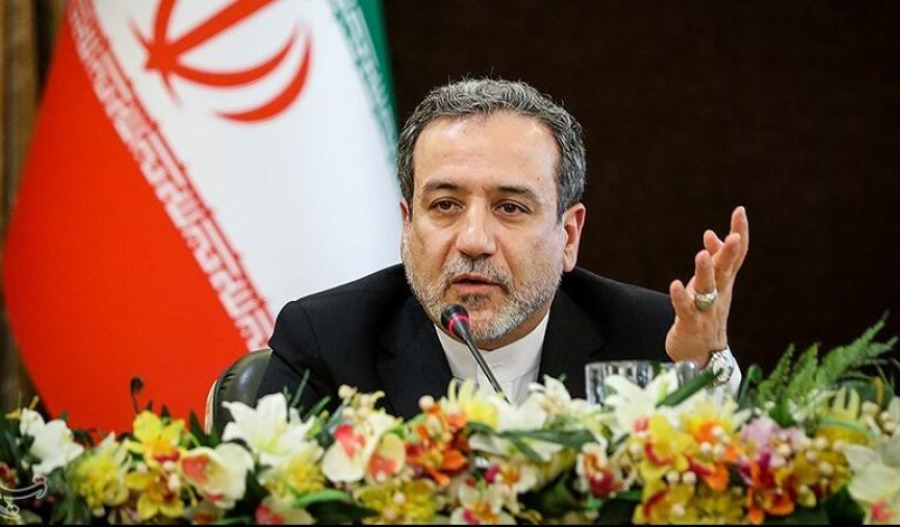
However, signs of progress remain mixed. Iranian state media reported that Tehran rejected a U.S. ceasefire proposal and instead submitted its own conditions for ending the conflict.
The reported counteroffer includes a demand for sovereignty over the Strait of Hormuz, a move that would significantly alter control of one of the world’s most strategically important energy corridors.
Meanwhile, tensions escalated further on the military front. Israel Defense Forces (IDF) said it had killed Iranian naval commander Alireza Tangsiri in a “precise strike” in the port city of Bandar Abbas.
The IDF accused Tangsiri of orchestrating efforts to disrupt maritime traffic and target energy infrastructure across the region.
In a social media post on X, the IDF said Tangsiri “oversaw maritime terrorism carried out against countries in the Middle East, as well as against U.S. and other nations’ energy infrastructure”.
United States Central Command later confirmed the commander’s death, with its chief, Brad Cooper, stating that the strike “makes the region safer” and signalling that operations against Iranian naval assets would continue.
Iran has not yet issued an official response to the reported strike.